
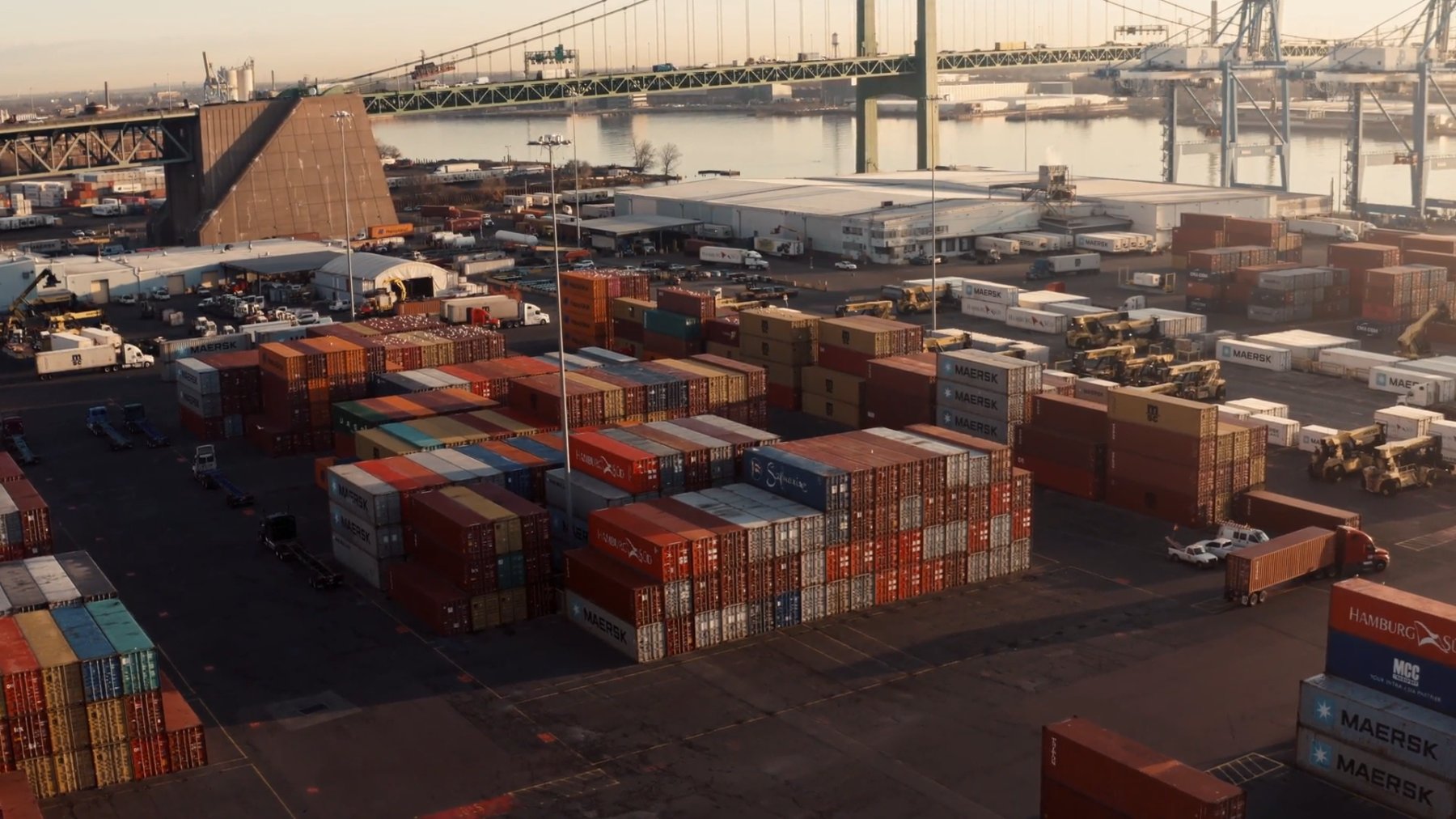
On August 1, the newly announced 30% tariffs on imports from the EU and Mexico to the US are expected to take effect. We still have half a month to prepare and adapt our supply chains. Let’s analyze how to optimize imports with the right freight calculations and how carriers can ensure transparency in budget planning and respond to other challenges of the new tariff wave.
New tariffs
On July 12, 2025, Donald Trump announced a new wave of tariffs, including a new 30% tariff on imports of any type of goods from Mexico and the EU. The president cited “undermining American industry,” “dependence on drug trafficking,” and “trade imbalances” as the reasons for the tariffs.
The tariffs cover all types of goods. Previously, they were applied to certain groups, such as automotive, spare parts, agricultural products, etc. Now, tariffs will apply to all categories and will not be limited to any particular sector.
The new tariffs are expected to take effect on August 1 to give heads of state time to prepare trade agreements. Businesses also have to take the time to secure logistics.
Impact on logistics strategies
Costs increase by a minimum of 30% to 55%
The new tariffs on imports from Mexico and the EU are imposed on top of the existing ones. Also, the cost of consumer and industrial goods will be particularly high in the automotive, machine-building, and agricultural sectors.
New delays
Each time, the tariffs cause the need to reformulate the customs value and transfers for importers. US Customs emphasizes preparations for the introduction of additional checks and clarifications in the documents before the “unloading permit”.
Transformation of global trade
Partnerships of strategic alliances and specific countries are undergoing various changes (also given the re-routing strategy): US-Vietnam, Canada-USMCA, and WTO disputes. In addition, Asian/Latin American supply chains are also not immune to trade tensions.
How does your logistics get affected?
| Factor | Impact |
| Shipments from the EU or Mexico to the US | Customers may refuse to import, reduce volumes, or demand discounts due to the cost of the increase |
| Fixed price contracts (EXW, DDP, etc.) | Increasing number of requests for recalculation or change of terms |
| Cargo clearance at US Customs | Additional inspections, recalculation of the cost including duties, delays at the entrance (especially for LCL) |
| Routes from Central European hubs | Increased time and cost due to the rerouting of cargo through Canadian hubs or other countries |
| Transformation of forwarding services | Need for prompt recalculation of rates, possible pressure from customers for compensation |
| Cargoes with mixed origin | Falsely classified as subject to the tariff if the country of origin of each unit is not confirmed |
| Financial responsibility of logistics companies | Is shipping documentation accurate? Risk of fines due to incorrect declaration |
| Contracts without flexible terms for tariff revision | Increased legal risk for the parties (especially with fixed door-to-door delivery) |
Anti-crisis plan before tariffs reach 30%-55%
Discover these 10 steps that separate the well-prepared logistics manager, freight forwarder, and shipper from the panicked:
1. ✍️ Analyze the product and evaluate tariff coverage
- Check the HS codes of each SKU and compare the current rate + 30%
You need to identify which goods in your trade have experienced the largest increase in tariffs, such as agricultural products, textiles, and auto parts. Identify the profit cargoes that may be worth keeping in stock or reorienting to other markets.
2.🧾Adjust INCOTERMS and delivery conditions
- Review the terms (EXW, FCA, CIP, DDP) and clarify who bears the additional costs.
You should avoid unpleasant surprises. For example, if you choose EXW (Ex Works), the client receives the tariff, and for DDP (Delivered Duty Paid), the seller bears it. Add "tariff buffers" of +5-10%.
3. 🔄 Global re-routing
- Consider alternative transit routes, such as Mexico → Canada/USA and EU → UK/Middle East.
Additionally, keep trademarks or certificates of origin to avoid new duties.
4.📞 Keep in touch with customers and partners
- Now it's a perfect time to inform clients in advance about the possible increase in logistics costs — 2-3 weeks before the August 1 effect.
Establish transparent rules: Let the client decide who pays — you or him. This will maintain trust and avoid conflicts.
5. 🎯 Use of USMCA certification (for goods from Mexico)
- Check if you can take advantage of discounts for your export documents and certificates of receipt.
With the USMCA, tariffs can be avoided or reduced if at least 62.5% of the products are local.
6. 🔐 Contractual “security fence”: Insure risks
- Add customs change clauses to contracts. Provide new insurance coverage for "tariff and delay" risks.
Also include a “force majeure” option for unexpected political changes.
7. 📈 Revise pricing
- Conduct model planning with an increased rate, and estimate profitability and turnover.
It is very important to note that even a 10% increase in the final price can significantly reduce the profit margin.
8. 📋 Audit of documents for exports from the EU/Mexico
- Verify that invoices, certificates, CMRs, and waybills are per the new tariff rates.
Identify mixed cargo: even one unit can cause a slowdown.
9. 🤝 Negotiate with logistics partners
- Agree with carriers and 3PLs on the possibility of flexible contracts and tariffs for different scenarios.
For example, "fixed rate + 5% for each tariff tier" is pretty transparent for both parties.
10. 🧩 Create plans ‘B’ and ‘C’
- If the contract is at high risk, prepare alternative solutions, such as booking warehouse services in Canada or arranging temporary CFS/ICD stops.
This reserve significantly reduces dependence on US policy.
Targeted cost prediction for smooth logistics
To effectively respond to new changes in logistics costs, maintain the tool designed for transparency throughout the planning stage. Try the online freight calculator, which allows you to stay updated on tariff shifts in real time:
- Find real-time & market-transparent tariffs for affordable shipping by sea, air, road, and rail
- Compare carriers and rate options to find the most appropriate and flexible terms for your shipments
- Instantly booking to guarantee the prices and cargo space
- Plan logistics with confidence and proper calculations
Find out more about Logistics Explorer web integration and API to adapt your trading for profit
Striving for comprehensive control of supplies and transportation budget to avoid hidden costs and delays? Reach out to us at [email protected] for streamlined and tailored logistics solutions.