
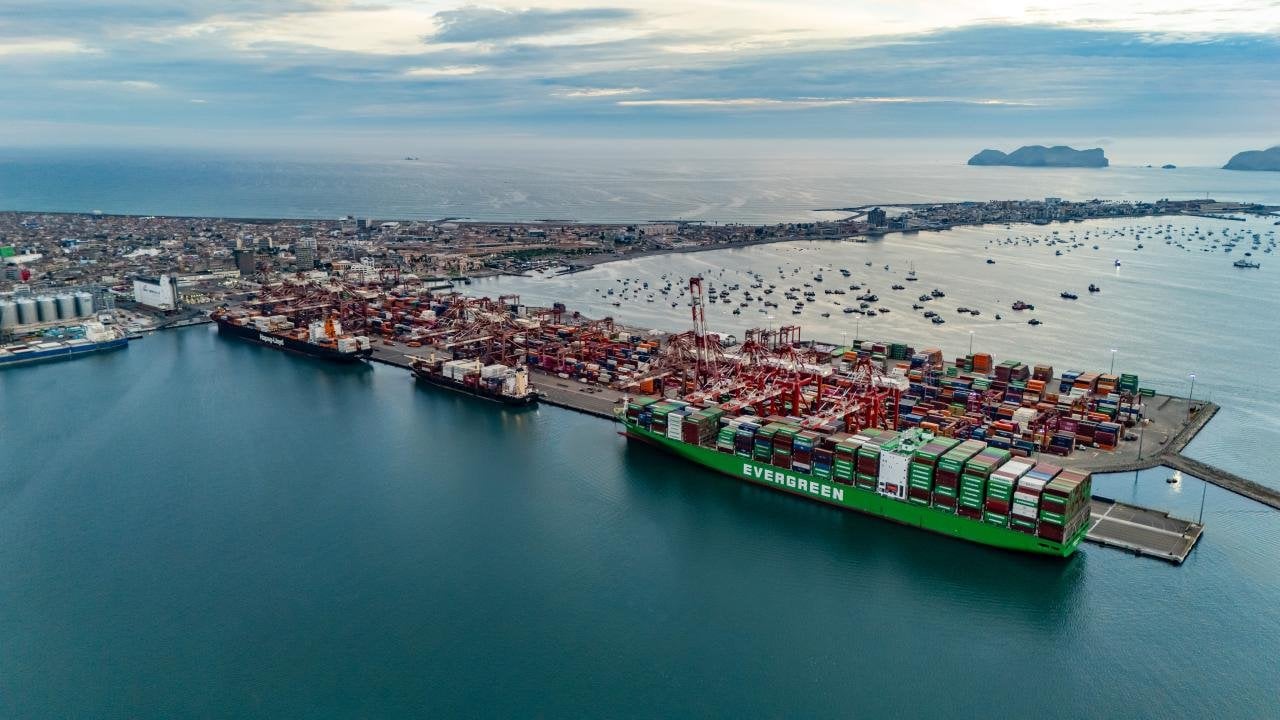
Shipping from China to Europe is becoming more expensive and less predictable as freight rates rise, vessel capacity tightens, and major European ports face congestion pressure.
Recent market reports show that container freight from China to Europe has almost doubled within a month. The Shanghai–Rotterdam route increased by 25% in one week, while freight indexes continued to grow for the fifth consecutive week.
For shippers, this is no longer just a pricing issue. The pressure is now visible across the full route: from origin port and vessel space to destination gateway, inland delivery, and final delivery timing.
Quick answer
China–Europe shipping routes are under pressure because freight rates are rising, available vessel capacity is tightening, and congestion at major European ports is affecting schedule reliability.
Shippers should compare Northern Europe and Mediterranean gateways, check vessel schedules, confirm space earlier, and calculate the full logistics cost before booking.
Main China to Europe shipping routes
Most containerized cargo from China to Europe moves through major Chinese export hubs, including Shanghai, Ningbo, Shenzhen, Qingdao, Xiamen, Guangzhou, and Tianjin.
On the European side, the main gateways include Rotterdam, Antwerp-Bruges, Hamburg, Felixstowe, Gdańsk, Piraeus, Valencia, Barcelona, Genoa, La Spezia, Koper, Trieste, and Constanta.
| Route type | Typical China ports | Main European gateways | Best for |
| China to Northern Europe | Shanghai, Ningbo, Qingdao, Shenzhen, Tianjin | Rotterdam, Antwerp-Bruges, Hamburg, Felixstowe, Gdańsk | Germany, Benelux, UK, Poland, Northern France, Scandinavia |
| China to Mediterranean Europe | Shanghai, Ningbo, Shenzhen, Xiamen, Guangzhou | Piraeus, Valencia, Barcelona, Genoa, La Spezia | Spain, Italy, Greece, Balkans, Southern France |
| China to Central Europe | Shanghai, Ningbo, Shenzhen, Qingdao | Hamburg, Rotterdam, Gdańsk, Koper, Trieste | Austria, Czech Republic, Slovakia, Hungary, Southern Germany |
| China to Eastern Europe | Shanghai, Ningbo, Qingdao, Shenzhen | Gdańsk, Hamburg, Koper, Constanta | Poland, Ukraine, Romania, Baltic region, Balkans |
| China to the UK and Ireland | Shanghai, Ningbo, Shenzhen, Qingdao | Felixstowe, London Gateway, Southampton, Rotterdam via feeder | UK, Ireland, regional distribution centers |
In this market, route planning affects more than the ocean leg. It can influence cargo release, inland delivery, warehouse planning, free time usage, and the risk of additional charges after arrival.
What is changing on China–Europe routes now?
The latest rate increase is linked to several operational pressures that directly affect route choice, space availability, and schedule reliability.
1. Capacity is becoming tighter
Carriers may shift vessels toward more profitable trades when demand rises on other routes. If more capacity is allocated to transpacific services, Asia–Europe shipping routes may have less available space.
For shippers, this means preferred sailings may fill faster, especially on high-demand services to Northern Europe.
2. Early peak season is adding pressure
Market activity also points to earlier peak-season pressure. Retailers, manufacturers, and distributors may try to move cargo before summer inventory deadlines, promotional campaigns, or production cycles.
As more cargo enters the market at the same time, shippers may face higher spot rates, shorter quote validity, and additional peak season surcharges.
3. European ports remain a key risk point
Major European ports such as Rotterdam, Antwerp-Bruges, and Hamburg handle large Asia–Europe volumes, so congestion at these hubs can quickly affect inland delivery.
Port congestion may cause vessel waiting time, slower container discharge, limited truck appointments, shipping delays, barge backlogs, and higher storage exposure.
4. Longer vessel rotations reduce effective capacity
Longer routes and schedule disruptions keep vessels tied up for more time, reducing effective capacity even when the number of vessels in service remains similar.
In practice, this can mean fewer reliable sailing options, longer transit times, and higher risk of schedule changes.
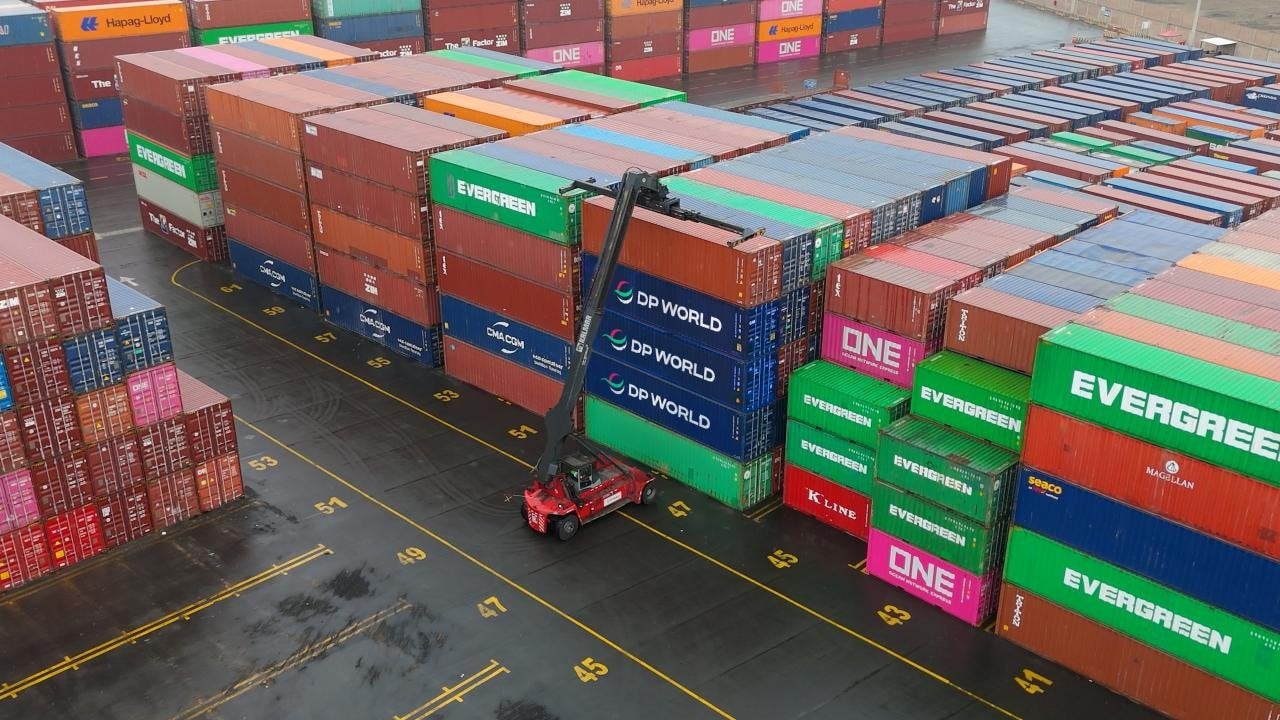
Northern Europe vs Mediterranean gateways
Choosing between Northern Europe and Mediterranean gateways depends on the final destination, cargo urgency, inland transport availability, and total logistics cost.
Northern European ports such as Rotterdam, Antwerp-Bruges, Hamburg, Felixstowe, and Gdańsk usually offer strong carrier coverage and developed inland networks. Mediterranean gateways such as Piraeus, Valencia, Barcelona, Genoa, La Spezia, Koper, and Trieste can be more suitable for cargo moving to Southern Europe, the Balkans, or parts of Central Europe.
The right gateway is not always the largest port. It is the port that gives the best balance of sailing availability, transit time, inland delivery, free time, and destination cost.
Route risks shippers should check before booking
During a rising freight market, routing risks can quickly turn into additional costs.
| Risk | Where may it appear? | Impact on shipment | How to reduce it? |
| Cargo rollover | Origin port or transshipment hub | Later departure, missed delivery window | Book earlier and confirm space |
| Port congestion | Destination gateway | Longer waiting time and storage risk | Check port conditions and compare gateways |
| Limited free time | Destination terminal or inland depot | Demurrage and detention costs | Negotiate free time before booking |
| Transshipment delay | Hub ports | Longer transit and schedule uncertainty | Choose direct services when possible |
| Inland transport shortage | After vessel arrival | Late delivery to the warehouse | Pre-book trucking, rail, or barge |
| Surcharge changes | Booking stage | Higher total freight cost | Request a full charge breakdown |
What to check when booking for China–Europe shipments?
Before confirming a China–Europe booking, shippers should check the full route from origin to final destination — not only the ocean freight rate.
The key questions are simple: Is vessel space confirmed? Is the transit time realistic? Are destination charges clear? Is there enough free time for customs clearance, pickup, unloading, and empty return? Is inland delivery already planned?
These details matter because delays after arrival can quickly turn into storage, demurrage, detention, or last-minute inland transport costs. For more practical guidance on avoiding these hidden costs, see SeaRates’ guide to demurrage, detention, and storage costs.
A reliable booking should give shippers a clear view of the rate, schedule, port conditions, free time, and final delivery plan before the cargo moves.
Building a tailored shipping strategy
For shippers, China–Europe logistics in the current market is less about chasing the lowest rate and more about avoiding route decisions that create delays, extra charges, or missed delivery windows.
The strongest shipping plans will be built around confirmed space, realistic transit times, clear destination costs, prepared inland delivery, and shipment visibility after departure.
To plan your next China–Europe shipment, share your requirements with SeaRates at [email protected] and receive a tailored logistics solution based on your route, cargo, and delivery needs.
FAQ
Why are China–Europe freight rates rising?
Rates are rising because demand is increasing, vessel capacity is tighter, port congestion is affecting schedules, and longer vessel rotations are reducing effective capacity.
Which European gateways are important for China–Europe cargo?
Key gateways include Rotterdam, Antwerp-Bruges, Hamburg, Felixstowe, Gdańsk, Piraeus, Valencia, Barcelona, Genoa, Koper, Trieste, and Constanta.
Is the cheapest China–Europe route always the best?
No. Shippers should compare the full door-to-door cost, including transit time, destination charges, free time, and inland delivery.
Should shippers use Northern Europe or Mediterranean gateways?
It depends on the final destination. Northern Europe is often suitable for the Benelux, Germany, Poland, Scandinavia, and the UK. Mediterranean gateways may be better for Spain, Italy, Greece, the Balkans, and some Central European destinations.
How can SeaRates help with China–Europe shipping?
SeaRates helps shippers compare freight options, check schedules, plan routes, estimate logistics costs, and track cargo from origin to destination.