
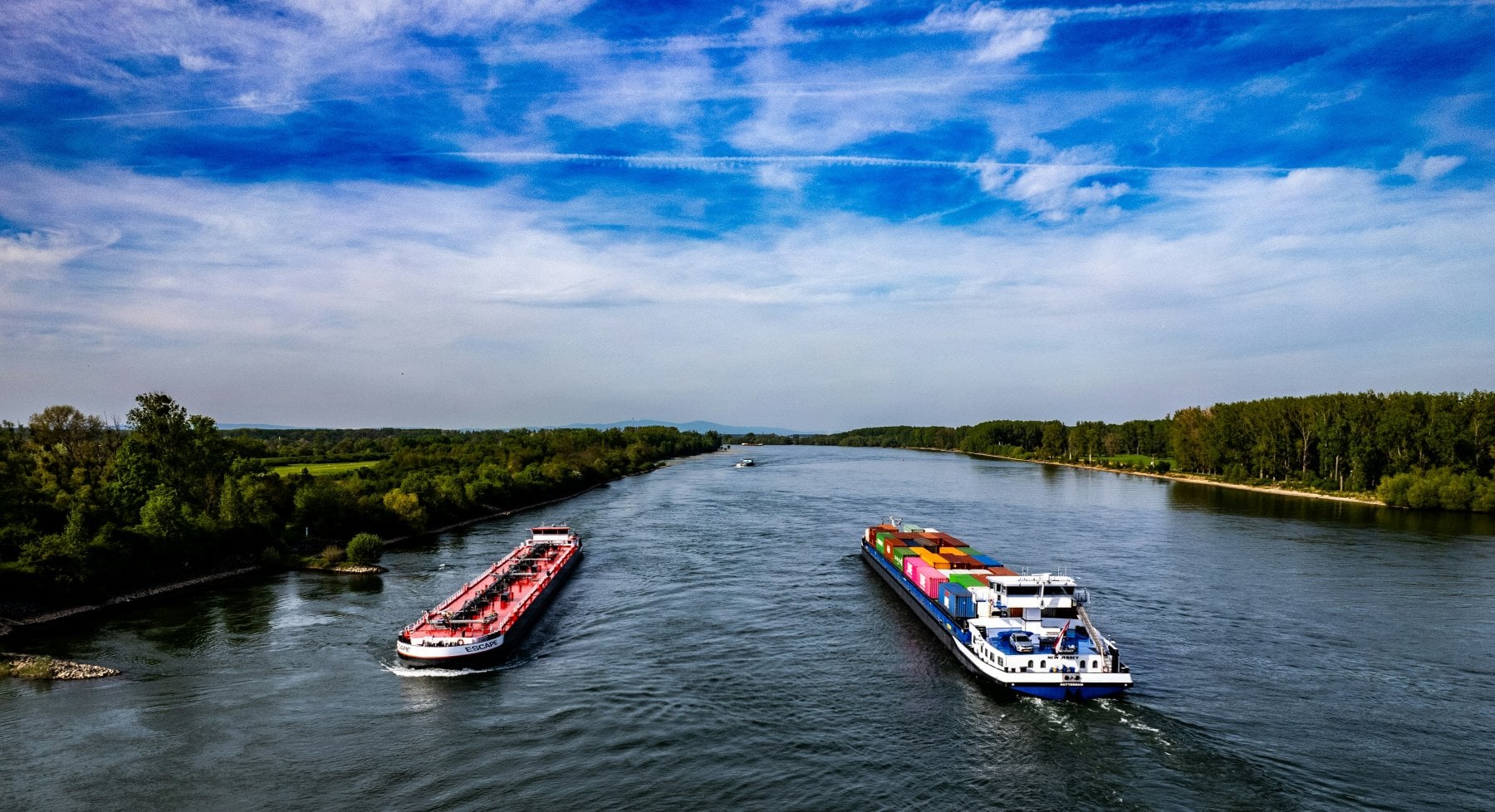
In early June 2026, several major ports were still reporting measurable vessel waiting times. Manila North was seeing around 4.89 days of average vessel waiting time, Singapore around 1.53 days, and Busan around 1 day, while other ports across Asia and global trade lanes continued to report changing berthing conditions and vessel bunching.
For shippers, these numbers point to a practical issue: the real cost of a delayed shipment is not always limited to the ocean freight rate. Once a vessel misses its planned schedule, the impact can move quickly into customs clearance, terminal appointments, trucking availability, warehouse planning, empty container return, and finally — demurrage, detention, and storage costs.
That is why extra cost prevention should not start after the invoice arrives. It should start before the container reaches the port.
Why do these costs matter now?
Port delays are not new. What makes them difficult for shippers is how quickly they affect every next step in the supply chain.
A delay of two or three days may seem manageable on the ocean leg. But for the inland team, it can mean a customs broker working with outdated information instead of real-time ETA updates, a trucker missing the original pickup window, a warehouse losing its receiving slot, or a consignee not being ready to unload. When these steps are not aligned, free time can expire faster than expected.
The result is not always one single charge. A shipment delay can create several cost layers at the same time: carrier demurrage, terminal storage, detention after pickup, warehouse storage, truck waiting time, extra handling, or re-delivery costs.
This is why shippers need to look beyond “Where is my container?” and ask a more operational question:
What needs to be ready before the container becomes available?
What is the difference between demurrage, detention, and storage?
Demurrage, detention, and storage are all extra charge terms related to container delays, but they appear at different points of the shipment journey.
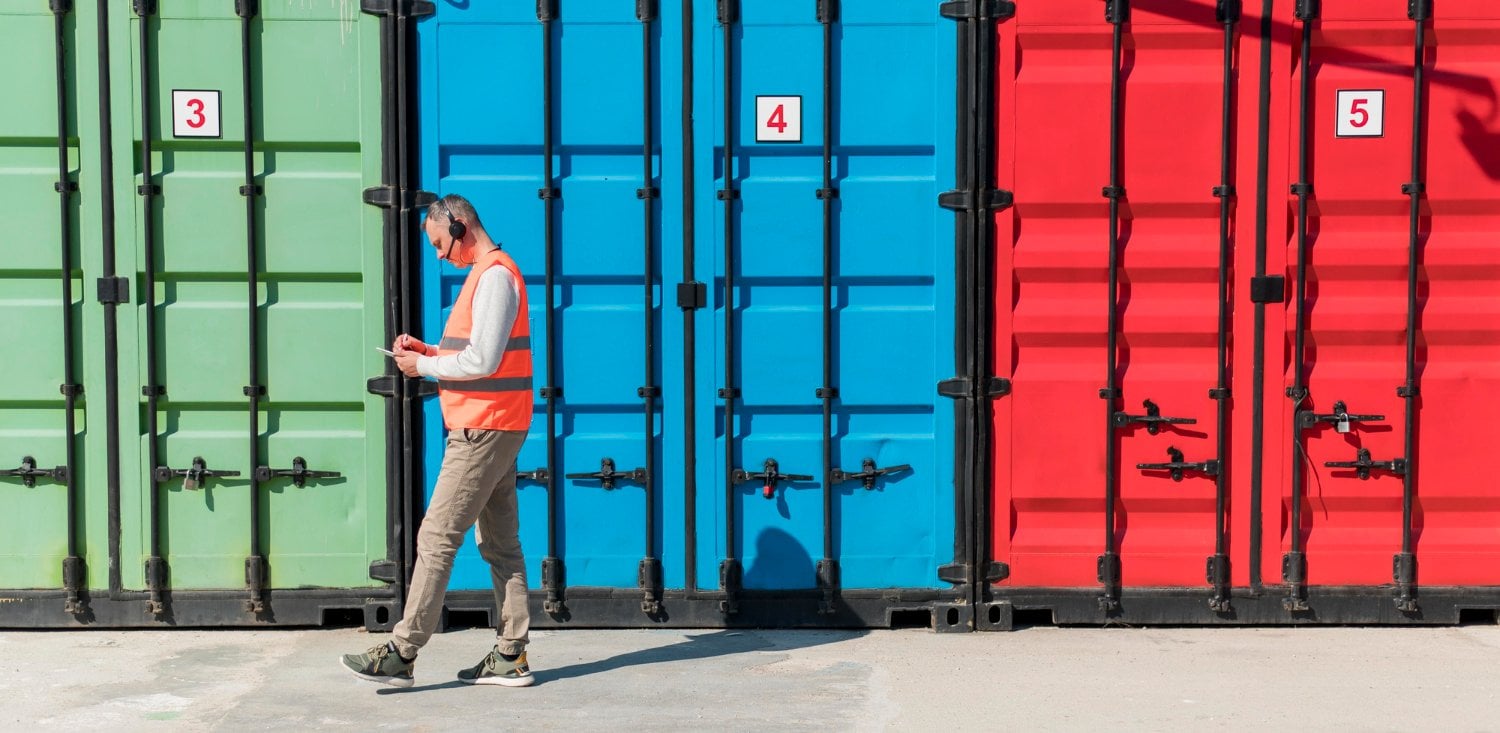
Demurrage is usually charged when a loaded container stays at the terminal beyond the allowed free time.
Detention is usually charged when a container has already been picked up from the terminal, but the empty container is not returned within the allowed free time.
Storage is usually charged for using space at a terminal, port, depot, warehouse, or container yard when cargo or containers remain there longer than allowed.
| Charge | When it usually appears | Main question for shippers |
| Demurrage | The loaded container stays at terminal after free time expires | Can we clear and pick up the container on time? |
| Detention | The container is picked up, but empty unit is returned late | Can we unload and return the container on time? |
| Storage | Cargo or container occupies terminal, depot, or warehouse space too long | Are we paying for extra space while cargo waits? |
The key point is simple: a delay can trigger more than one type of charge. That is why it is important to check free time, carrier conditions, terminal rules, storage fees, and return instructions before the container arrives.
The shipper’s decision guide
Shippers cannot control every disruption. Weather, port congestion, carrier delays, customs inspections, vessel bunching, and routing changes may all affect the shipment.
But shippers can control the decisions made before cargo arrival.
| Situation | Main risk | Decision to make early |
| Vessel ETA changes | The inland plan becomes outdated | Reconfirm ETA, free time, broker, trucker, and warehouse readiness |
| Documents are not ready | Cargo cannot be released | Finalize BL, invoice, packing list, HS codes, and release instructions |
| Free time is too short | Cheap rate becomes expensive | Compare free time, D&D tariffs, and storage fees before booking |
| The trucking slot is unavailable | Container sits at terminal | Arrange pickup plan and backup trucker before discharge |
| Warehouse cannot receive cargo | Cargo waits after arrival | Confirm receiving window and storage options |
| The empty return is delayed | Detention starts after delivery | Confirm return location, depot rules, and unloading timeline |
| Cargo is rerouted | New local charges appear | Confirm who controls onward movement and when charges start |
Scenario 1: The vessel ETA changes
When a vessel ETA changes, many teams update the delivery date but forget to update the operational plan around it.
That is where the risk starts. Customs brokers, truckers, warehouse teams, and consignees may still be working with the old arrival date. If the container becomes available earlier or later than expected, the shipper may lose valuable free time before anyone is ready to move the cargo.
Storage risk also increases here. If the vessel arrives in a different window than planned, the port or terminal may hold containers longer than expected, or the warehouse may not be able to receive the cargo on the new date.
Decision rule: If the ETA changes by more than 48 hours, update the full downstream plan, not only the delivery date.
The shipper should reconfirm the latest ETA, check whether the terminal or discharge port has changed, ask the carrier or freight forwarder to confirm free time, and notify the customs broker, trucker, warehouse, and consignee. If cargo may need temporary storage, the cost and location should be confirmed before arrival.
❓ What should shippers do when ETA changes?
Shippers should treat an ETA change as a trigger to review customs readiness, terminal pickup planning, warehouse availability, free time, and storage exposure. The earlier the update is shared, the lower the risk of demurrage, detention, and storage costs.
SeaRates tools such as the Tracking System for all shipping modes, Vessel Tracking, and Ship Schedules can help logistics teams monitor cargo movements, align vessel details, and react faster when schedules change.
Scenario 2: The container arrives, but documents are not ready
Many demurrage and storage cases begin before the vessel even arrives. The container may be physically available, but the cargo cannot be released because something is missing or incorrect in the shipping documents.
This can include the Bill of Lading, commercial invoice, packing list, certificate of origin, HS code, consignee details, payment confirmation, or release instructions. Even a small mismatch can slow customs clearance and use up free time.
If the container remains at the terminal while the paperwork is corrected, the shipper may face demurrage, terminal storage, or both, depending on local rules and billing structure.
Decision rule: If the document set is not ready three to five days before ETA, the shipment already has an elevated demurrage and storage risk.

The practical step is to run a pre-arrival document check. The freight forwarder, customs broker, shipper, and consignee should work with the same final document set. If corrections are needed, they should be made before discharge, not after the terminal starts counting free time.
Scenario 3: The freight rate is attractive, but free time is too short
A low freight rate can look like the best option during procurement. But if the shipment has short free time, complex customs clearance, long inland delivery, slow unloading, or limited warehouse capacity, the total cost can change quickly.
Free time, demurrage tariff, detention tariff, storage tariff, weekend rules, holiday schedules, terminal hours, and empty return conditions all affect the final cost.
Decision rule: A cheaper freight rate with short free time and high storage exposure may be more expensive than a higher rate with better operational conditions.
This is especially important for cargo that may need inspection, special handling, multiple delivery points, cold storage, bonded storage, or long-distance trucking.
❓Is the cheapest freight rate always the best option?
Not always. The cheapest rate can become more expensive if it comes with short free time, poor schedule reliability, limited tracking visibility, higher local charges, or expensive storage conditions. Shippers should compare total landed cost and operational risk before booking.
SeaRates Logistics Explorer and Freight Index can support this comparison by helping teams review market rates, routes, and freight conditions in one place.
Scenario 4: The cargo is released, but trucking is not available
Even when customs clearance is completed on time, the shipment can still generate demurrage or storage costs if the trucker cannot pick up the container.
This often happens when ports operate with appointment systems, when vessel arrivals are bunched, or when terminal capacity is tight. A container may be available, but the next pickup slot may not match the free time window.

Decision rule: If the port requires terminal appointments, trucking should be planned before release, not after.
Shippers should confirm whether the port requires a pickup appointment, whether the trucker has access to the terminal, whether the warehouse can receive the cargo, and whether there is a backup trucking option if the first provider cannot secure a slot.
Scenario 5: The warehouse cannot receive the cargo
This is where storage becomes especially important.
Sometimes the container is ready, the documents are correct, and the trucker is available — but the warehouse cannot receive the cargo. The reason may be limited space, labor shortage, no unloading equipment, missed delivery appointment, delayed buyer readiness, or a mismatch between port availability and warehouse working hours.
In this case, the shipper may need to leave the container at the terminal, move it to an external storage facility, or hold it on chassis longer than planned.
Each option can create a different cost. Terminal storage may apply if the container stays at the port. Warehouse storage may apply if cargo is unloaded and held before final delivery. Additional handling may apply if cargo is moved to a temporary facility.
Decision rule: Warehouse readiness should be confirmed before pickup, not after the container leaves the terminal.
❓When should shippers plan storage?
Shippers should plan storage before arrival if the cargo has uncertain delivery timing, special handling needs, customs inspection risk, limited warehouse space, or a buyer who cannot receive the shipment immediately.
Storage is not always a problem. In some cases, planned storage is better than unplanned demurrage. The key is to choose the lower-risk option before free time expires.
Scenario 6: The container is delivered, but the empty return is delayed
This is a common assumption to think the shipment is finished once the container reaches the consignee. For detention risk, that is not true. The clock usually continues until the empty container is returned to the approved location.
Detention can appear because of the following causes:
- unloading takes longer than expected
- the depot is full
- the return location changes
- the trucker does not receive updated empty return instructions
Storage can also appear if the cargo is unloaded but cannot move to the next destination, or if the empty container waits at a yard before return.
Decision rule: Delivery planning should include empty return planning from the beginning.
Before delivery, the shipper or consignee should confirm the empty return location, return deadline, depot working hours, and any carrier-specific instructions. If the depot cannot accept the container, the team should keep proof of attempted return and inform the carrier or forwarder immediately.
Scenario 7: Cargo is rerouted or discharged at another port
Route disruption creates a different type of risk. The cargo may still be moving, but not according to the original plan.
If a carrier changes the discharge port, skips a call, or moves cargo through a secondary hub, the shipper needs to understand who controls the next leg and when local charges begin.
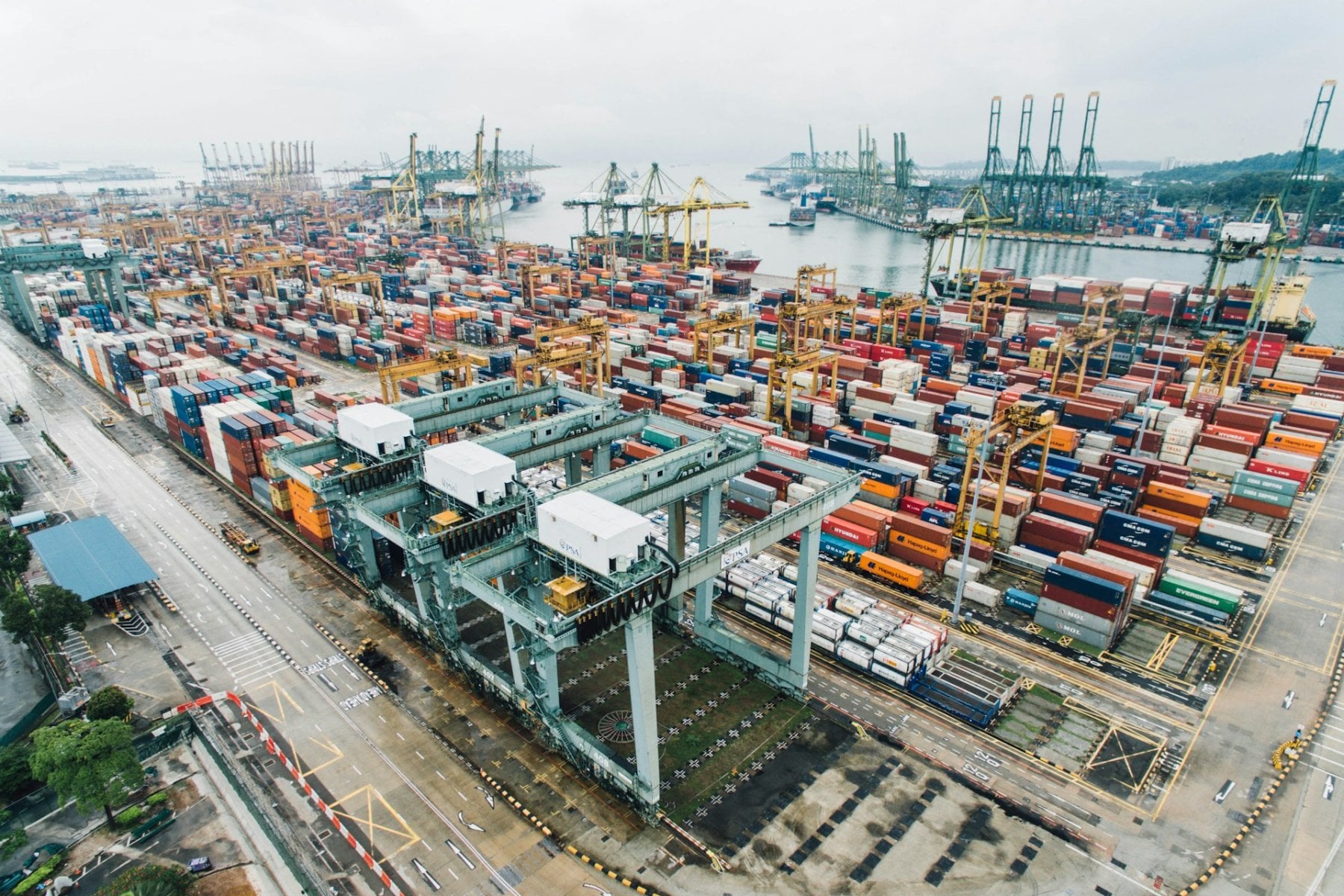
Alternative routing can keep cargo moving, but it can also create extra storage, local handling, trucking, customs, and documentation work.
Decision rule: If cargo is discharged at an alternative port, the first question is not only “When will it arrive?” The first question should be “When do free time and storage charges start, and who is responsible for the next movement?”
Shippers should confirm the new port, free time, storage rules, local charges, onward transport options, customs implications, and the responsible party for each step.
How to decide between demurrage risk and storage options?
Sometimes shippers cannot avoid a delay completely. In that case, the practical question becomes: which option creates the lowest total cost and the least operational risk?
| Option | Possible advantage | Possible risk |
| Keep container at the terminal | No extra move required | Demurrage and terminal storage may increase quickly |
| Move cargo to the warehouse | Cargo leaves port environment | Warehouse storage, unloading, and handling costs |
| Use temporary storage | More control over timing | Extra transport and handling |
| Request extended free time | May reduce immediate pressure | Not always available or approved |
A planned storage decision can be better than an unplanned delay. The goal is not always to avoid storage completely. The goal is to avoid surprise costs and choose the most predictable option for your shipments.
Calculate costs before they appear
Shippers often discover demurrage, detention, or storage costs only after a shipment is already delayed. A better approach is to estimate the exposure before the container arrives.
The SeaRates Demurrage & Storage Calculator helps you to calculate possible extra costs for demurrage, detention, and storage scenarios. This solution allows logistics teams to work with dates, free days, rates, currencies, and charge types to understand how quickly costs may increase if a container stays too long at the terminal, depot, or storage location. Read the full guide here.
This is useful not only after a delay happens but also during planning. Before choosing a route or accepting a freight offer, shippers can compare the base rate with the possible cost of short free time, late pickup, slow unloading, or storage exposure.
Final takeaway
As vessel waiting times, route changes, and freight market pressure continue to affect container shipping, shippers need to move from reactive problem-solving to pre-arrival planning.
The strongest protection against demurrage, detention, and storage costs is not a last-minute dispute. It is a connected workflow where documents, customs, trucking, warehouse planning, visibility, storage options, and empty return are aligned before the container reaches the terminal.
The best shipment plan is not only the one with the lowest freight rate. It is the logistics strategy that keeps cargo moving after arrival and gives you a clear, planned storage option in case movement is delayed.