

Knowing the various options available for cargo management is essential for profitable international shipping. Depending on the kind of products and requirements you have, the Container Freight Station (CFS), Container Yard (CY), Foreign Trade Zone (FTZ), and Bonded Warehouse are all key components of the logistics process.
Let’s discover their unique advantages and compare the differences to find the best fit for your shipping needs.

What is CFS (Container Freight Station)?

Do you carry your cargo in a shared container? Here, a Container Freight Station (CFS) is a facility where LCL (Less-than-Container Load) shipments are packed (consolidated) and unpacked (deconsolidated). Before or after your cargo is loaded/unloaded, the shared container is transported via CFS for customs clearance procedures and then for sorting.
CFSs are often located near seaports or airports to rapidly manage cargo before it is shipped or after it arrives.
What is CY (Container Yard)?

A Container Yard (CY) is located in or near seaports/transportation hubs, where FLC (Full Container Load) containers are temporarily stored before or after being loaded onto or unloaded from vessels.
Commonly used for sealed containers that do not require breaking down at terminals. Primarily deals with the physical storage and movement of entire containers, unlike CFS, which is required for cargo consolidating and deconsolidating.
What is an FTZ (Foreign Trade Zone)?
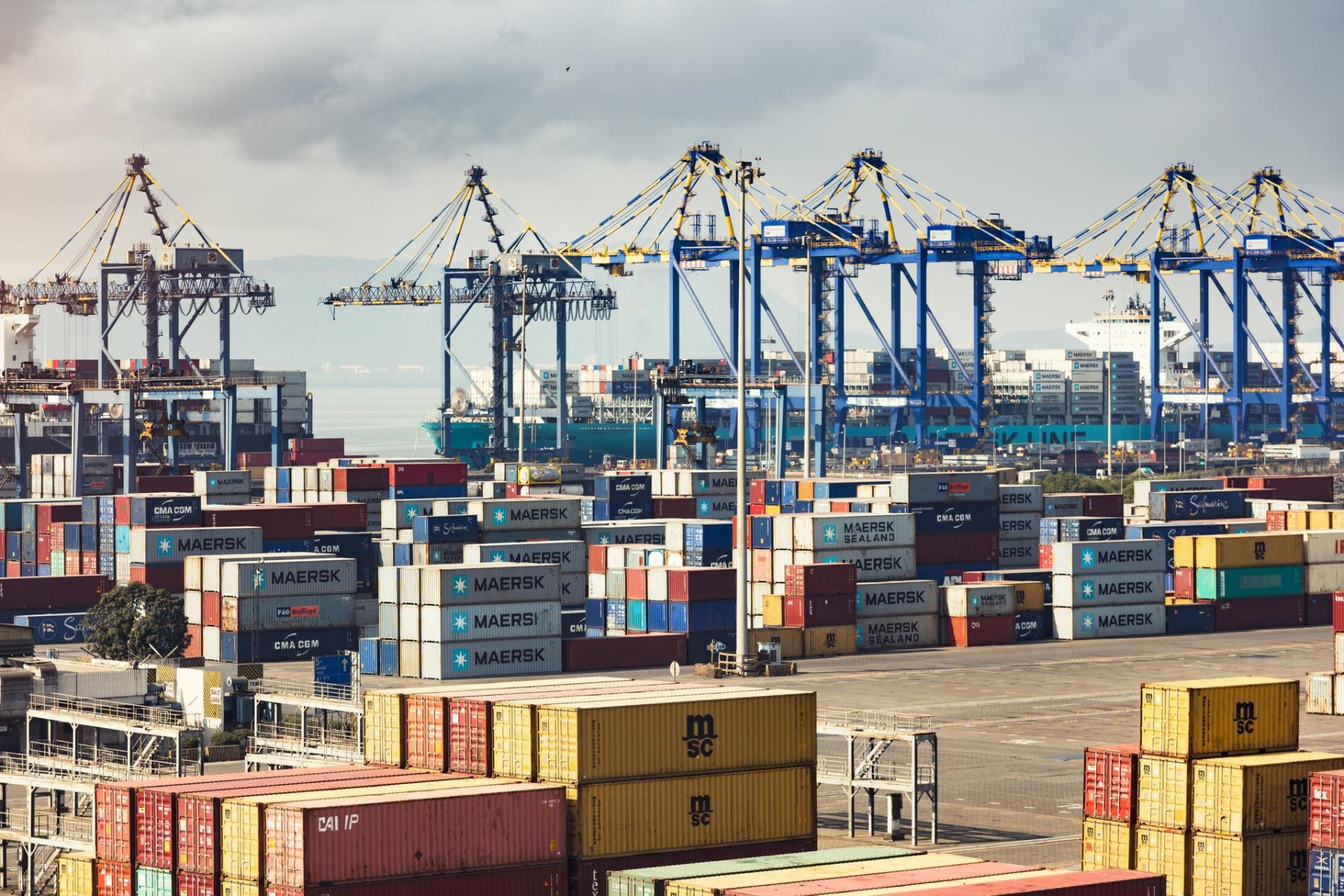
A Foreign Trade Zone (FTZ) is a secure and controlled area for customs duty purposes located within a country or outside the country's customs territory. Used for legitimately deferring/reducing/eliminating customs duties on imported products. Here, goods can be imported, manufactured, processed, and exported with certain customs benefits.
Located near seaports, airports, stations, and transportation hubs. Required for lawful assembly, sorting, or repacking under CBP maintenance.
What is a Bonded Warehouse?

Imported products are stored in a Bonded Warehouse under customs supervision until customs duties, taxes, and other regulations are paid.
Bonded warehouse commodities are “suspended” from customs duties and taxes until they leave the warehouse and enter the domestic market.
International trade enterprises utilize these facilities to manage cash flow, save upfront fees, and overcome complex customs laws. For example:
- United States: Tightly regulated by U.S. Customs and Border Protection (CBP), allowing goods to be stored duty-free until they are imported or re-exported;
- European Union: Allow goods to be stored without paying customs duties or VAT until they are released for consumption or re-exported to a non-EU country;
- United Kingdom: Overseen by HM Revenue and Customs (HMRC), provides the ability to store goods without paying VAT or customs duties until they enter the UK market or are re-exported;
- China: Used to store imported goods with deferred duty payments, and also for good processing, repackaging, or assembling before re-exporting them;
- India: Allow businesses to store imported goods without paying customs duties until they are either cleared for domestic consumption or re-exported;
- Singapore: Managed by the Singapore Customs, offers duty deferral on imported goods and provides businesses with storage solutions for re-exporting or domestic sales, with the benefit of deferred duties.
What’s the difference? Facility roles
Determine what the most efficient facility is for handling your goods, considering the following factors:
| Facility type | Role in import/export | Goods processing | Customs duty deferral |
| CFS (Container Freight) | Handles import/export LCL freight | Basic unpacking/packing, light processing | Duties are due upon entry into the domestic market |
| CY (Container Yard) | Stores and stacks FCL containers before and after customs clearance | Most CYs do not process commodities | Duty payment when products leave the yard for consumption |
| FTZ (Foreign Trade) | Deferred duty imports, manufacturing, processing, and duty-free exports | Duty-free manufacture, assembly, and packaging until goods enter the domestic market | Defer customs charges until goods enter or leave the country |
| Bonded Warehouse | Stores imported commodities under customs control until tariffs are paid, or they are re-exported | Some processing, packing, and labeling | Defers or eliminates warehouse customs charges until items are freed or re-exported |
Typical use cases
🚢 CFS (Container Freight Station) needed for:
- Consolidations of small shipments from multiple suppliers
- Large shipments for distribution need to be deconsolidated;
- Short-term storage before customs clearance requires handling cargo.
🏗️ CY (Container Yard) needed for:
- Containers are stored before customs clearance;
- Short-term goods storage awaiting further transportation;
- Storing large shipments for export or distribution.
🌍 FTZ (Foreign Trade Zone) needed for:
- Producers and exporters to defer the duties payment on imported goods;
- Goods are stored for re-export without paying customs duties;
- Processing, assembly, or packaging without immediate payment of duty.
🛃 Bonded warehouse needed for:
- Storing imported items while waiting for customs clearance;
- Companies are looking for deferring duties until products are on the domestic market;
- Holding goods for re-export with no duty payment required.
Risk factors to consider
🚢CFS (Container Freight Station)
- Damage risk during handling or deconsolidation of goods
- Delays in shipment processing due to congestion or inefficiency
- Inventory errors during sorting or packaging
🏗️CY (Container Yard)
- Container damage due to exposure or lack of security
- Long storage times leading to demurrage fees
- Logistical delays occur when containers are not cleared on time
🌍FTZ (Foreign Trade Zone)
- Regulatory changes affecting customs procedures and compliance
- Complexity in managing customs duties for goods moving in/out
- Over-complication of operational tasks due to multiple layers of compliance
🛃Bonded Warehouse
- Delays caused by incorrect paperwork or incomplete customs documentation
- Long-term storage costs leading to increased expenses
- Risk of damage or spoilage due to prolonged storage and mismanagement
Checklist: Which option to choose?
Confused about how to estimate the cost of your shipping risks for different types of goods and services? How do you even start by deciding on the right option? Use this checklist to avoid common mistakes when choosing between CFS, CY, FTZ, and Bonded Warehouse:
1. What type of goods are you handling?
🔲 Small or mixed shipments needing consolidation or deconsolidation
✅ CFS
🔲 Large, containerized shipments needing storage before customs clearance
✅ CY
🔲 Goods needing processing, manufacturing, or assembly, with duty deferral
✅ FTZ
🔲 Goods needing long-term storage, duty deferral, or awaiting customs clearance/re-export
✅ Bonded Warehouse
2. How urgent is the handling and clearance?
🔲 Quick handling with immediate shipment
✅ CFS
🔲 Short-term storage before further transport or customs clearance
✅ CY
🔲 Processing and manufacturing with deferred duties
✅ FTZ
🔲 Deferred duties and long-term storage before final clearance or export
✅ Bonded Warehouse
3. Are you processing or assembling goods?
🔲 Basic handling (unpacking, packing)
✅ CFS
🔲 Full processing, manufacturing, or assembly
✅ FTZ
🔲 Some processing or packaging allowed
✅ Bonded Warehouse
🔲 No processing required
✅ CY
4. Do you need to manage duties and taxes?
🔲 Deferring duties and taxes until goods are released or exported
✅ FTZ
✅ Bonded Warehouse
🔲 Immediate payment of duties upon entry into the market
✅ CFS
✅ CY
5. What are your storage needs?
🔲 Short-term storage (before shipment or further transport)
✅ CFS
✅ CY
🔲 Long-term storage with duty deferral or customs clearance management
✅ FTZ
✅ Bonded Warehouse
Find the perfect fit
Each facility option has advantages, whether you require a Bonded Warehouse for long-term storage and duty deferral, a CFS for grouping small shipments, a CY for holding containers before customs clearance, or an FTZ for postponing customs duties on manufacturing items.
Make an informed choice together with the experienced logistics team to maximize your supply chain profit. Reach out to us for tailored navigation of the challenges of international shipping. Discover the finest shipping options and digital tools that meet your demands with SeaRates.
You are always welcome to submit your request at [email protected] and get customized logistics solutions.