

In the fast-paced world of digital freight management and shipping improvements, physical security is paramount. Ports and freight yards operate 24/7, managing massive volumes of goods worth billions of dollars every year. With so much activity, cargo theft, equipment loss, and unauthorized access are major concerns. One of the simplest yet most effective ways to bolster security in these environments is the use of temporary fencing.
While temporary fencing is often associated with construction sites or events, it plays a vital and strategic role in securing freight yards and shipping ports. Flexible, durable, and highly effective, temporary fencing provides a critical layer of protection during periods of heightened vulnerability—such as large-scale cargo transfers, expansion projects, or port upgrades.
Let’s explore how temporary fencing enhances security at freight facilities, the key benefits it offers, and why it's an essential part of any port or yard’s operational toolkit.
Understanding the Security Challenges at Freight Yards and Shipping Ports
Freight yards and shipping ports present a unique set of security challenges:
- Constant Movement: Trucks, containers, cranes, and heavy machinery are in near-constant motion, creating complex logistics that require clear separation and control.
- High-Value Cargo: Ports often handle expensive or sensitive cargo, from electronics and automotive parts to medical supplies and luxury goods.
- Large Open Spaces: The sheer size of most yards and ports makes them difficult to secure with permanent infrastructure alone.
- Vulnerable Perimeters: Construction projects, temporary storage areas, or shifting traffic patterns can create gaps in existing security measures.
- Public Access Areas: Some facilities have areas open to the public, requiring careful control over restricted zones.
Without a flexible way to quickly create secure perimeters and manage movement, these challenges can easily lead to breaches, theft, damage, or operational disruptions.
The Role of Temporary Fencing in Freight Security
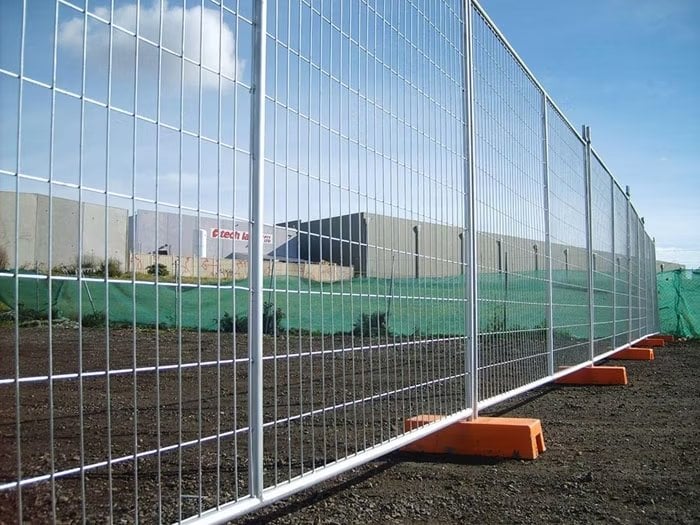
Temporary fencing, such as the modular solutions offered by manufacturers like Fortawall, serves as an adaptable and reliable solution to address these issues. It helps ports and freight yards maintain safety, streamline operations, and comply with regulatory standards without the need for costly permanent installations.
Here’s how temporary fencing strengthens security:
1. Establishing Secure Perimeters Quickly
Temporary fencing allows port and yard managers to set up secure, clearly marked perimeters around high-risk areas on short notice. Whether it's a storage area for high-value cargo or a construction zone, fencing provides a visual and physical barrier that prevents unauthorized access.
Because it can be installed rapidly and reconfigured as needed, temporary fencing is ideal for dynamic environments where the layout may change daily.
2. Protecting Cargo and Equipment
Cargo theft is a major concern in the logistics industry. Opportunistic thieves target unsecured containers, trucks, and warehouses—especially in busy or poorly monitored facilities.
By fencing off storage yards, loading docks, or holding zones, ports can significantly deter theft and tampering. Even a basic barrier adds an extra step for potential intruders, buying time for security teams to intervene and reducing the overall risk of loss.
3. Controlling Access Points
Temporary fencing isn't just about creating boundaries—it's also about controlling entry and exit points. By strategically placing fencing and using designated gates, freight managers can funnel workers, drivers, and visitors through monitored checkpoints.
This improves visibility over who is on-site, simplifies credential checks, and enhances overall accountability. Access control is especially critical when handling hazardous materials, bonded goods, or cargo subject to customs inspections.
4. Supporting Construction and Expansion Projects
Ports and freight facilities are constantly evolving. New infrastructure, upgrades, or expansions require flexible, scalable security solutions.
Temporary fencing is ideal for securing construction sites within active ports, protecting workers and the general public from hazards while maintaining efficient freight operations. It ensures that construction zones are isolated from everyday port activities, minimizing the risk of accidents or interference.
5. Enhancing Crowd Control
Ports aren't just industrial sites—they're often hubs of human activity. Workers, drivers, delivery personnel, inspectors, and even tourists may all pass through certain areas.
During busy periods, fencing helps manage foot traffic, direct vehicle flow, and separate public areas from restricted zones. This reduces the risk of accidents, confusion, and unauthorized access, particularly in larger ports where multiple operations happen simultaneously.
Key Benefits of Using Temporary Fencing in Freight and Shipping Facilities
Temporary fencing offers several strategic advantages beyond security alone:
Flexibility and Mobility
Because it’s modular and easy to install or relocate, temporary fencing can adapt to changing operational needs. Whether a shipment schedule changes, a temporary holding area expands, or a construction phase shifts, fencing can move with your site’s evolving demands.
Cost-Effectiveness
Compared to permanent fencing, temporary fencing is far more affordable for short-term needs. Ports and freight yards can avoid heavy capital expenditure while still achieving the necessary levels of protection.
Speed of Deployment
Temporary fencing can be deployed quickly without the need for extensive groundwork or disruption to operations. For ports that deal with fluctuating cargo volumes or rapid changes, this responsiveness is invaluable.
Compliance with Safety and Regulatory Standards
In many jurisdictions, port facilities are required to implement strict security and safety measures, especially under regulations like the ISPS Code (International Ship and Port Facility Security Code). Temporary fencing can help meet these compliance requirements by providing immediate, verifiable security enhancements.
Visual Deterrence
Sometimes, simply having a clear, visible barrier is enough to prevent potential issues. Temporary fencing sends a strong message that an area is restricted, protected, and monitored—even if it’s not physically impenetrable.
Best Practices for Using Temporary Fencing at Freight Yards and Ports
To maximize the effectiveness of temporary fencing, freight managers should consider the following best practices:
- Use Anti-Climb Panels: Choose fencing with anti-climb designs to make it harder for unauthorized individuals to scale.
- Secure Fencing with Heavy Bases or Anchors: In windy or exposed environments, reinforced bases help keep fencing stable and upright.
- Pair Fencing with Surveillance: Integrate fencing with AI-powered surveillance system, lighting, and motion detectors for a comprehensive defense system.
- Regularly Inspect and Maintain Fencing: Check for signs of wear, damage, or tampering and perform necessary maintenance promptly.
- Train Staff on Access Control Protocols: Ensure everyone understands the fencing layout, access points, and procedures for reporting breaches.
By following these practices, ports and freight yards can maximize the return on their investment in temporary fencing and create safer, more efficient environments for cargo movement.
Secure Your Assets Today
In the complex, high-value world of freight yards and shipping ports, security can't be left to chance. Temporary fencing offers a powerful, adaptable tool to bolster protection, control movement, and maintain operational efficiency.
Its speed of deployment, cost-effectiveness, and flexibility make it an ideal solution for managing evolving risks without sacrificing performance or compliance.
Whether used to secure high-value cargo, manage crowds, or protect evolving construction projects, temporary fencing plays an essential role in modern freight security strategies. Facilities that prioritize proactive, flexible security measures like temporary fencing are better positioned to safeguard assets, maintain smooth operations, and meet the demands of a rapidly shifting global trade environment.
Explore more opportunities with SeaRates by [contacting us] respective to your interest category