
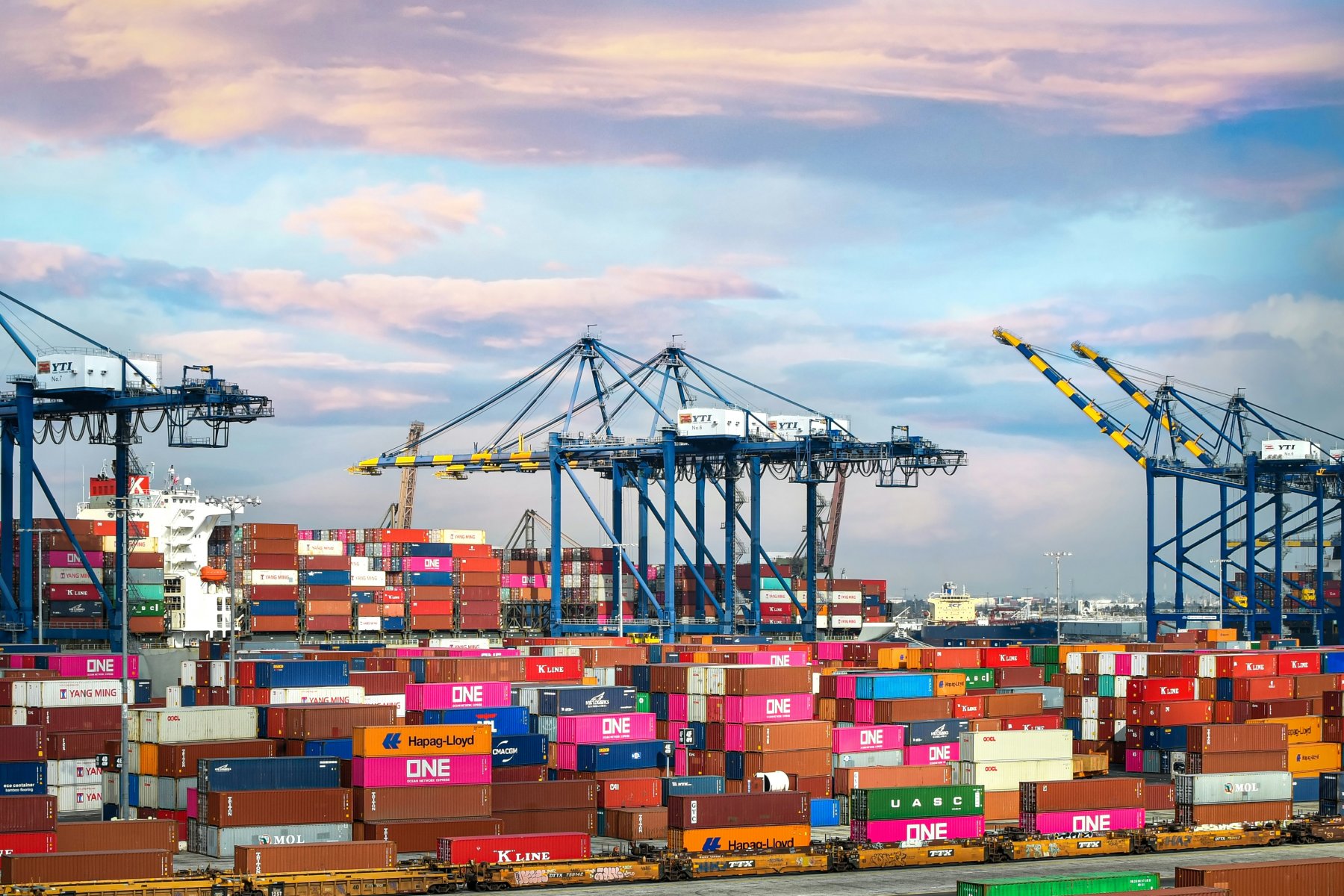
Global eCommerce has exploded in the past five years due to people buying more during the COVID-19 pandemic and increased adoption of online stores. Ships are essential to transporting items to countries around the globe, so freight forwarders have had to adapt to these dramatic changes.
However, freight forwarders are evolving to catch up with these changes and enjoy the massive profits from websites that ship millions of items a year, like Amazon, Alibaba, and Temu.
These adaptations include more tech adoption than ever before, optimized fulfillment services, and global payment integration.
This article explores eCommerce growth and the logistics surge, fulfillment services as a core offering, along with the role of technology, global payments, and IT services for ecommerce.
E-Commerce and the Logistics Surge
Online shopping is more popular than ever before, which means small parcel shipments and delivery expectations for next-day delivery have changed consumer habits. Recent digital shopping stats also reveal how this surge in online demand continues to reshape logistics, driving retailers to optimize every stage of order fulfillment to meet evolving consumer expectations.
This growth is especially visible in customizable products like t-shirts, hats, mugs, where demand for personalized items continues to rise. Platforms like Printify have made it easier for entrepreneurs to launch and scale e-commerce businesses without managing inventory, further accelerating the logistics surge.
These changes resulted in a shift from B2B, where businesses sell to other businesses, to B2C, where companies sell to customers, and D2C, where the product gets directly to the consumer without a delivery middleman. Despite this shift, many businesses still rely on robust B2B order management software to efficiently handle bulk orders and complex transactions.
Today, faster delivery and shipment tracking technologies are of high value because so many consumers expect their items next-day and want to know where they are on every step of the journey from warehouse to doorstep.
Fulfillment Services Are Now a Core Offering
Freight forwarders now offer many features of a package for eCommerce stores that work with them.

These forwarders offer:
- Warehousing: Storing inventory in warehouses that are ready for customers.
- Picking: Choosing the right items to send to customers.
- Packing: Securely wrapping items ready to send to customers.
- Returns handling: Customer service for returns.
What makes these core offerings so attractive is that they integrate with all of the most popular eCommerce platforms like Shopify, Amazon and many others.
The major benefit of this all-in-one offering for online sellers is that they get a one-stop logistics solution that deals with every aspect of delivery and returns to keep customers satisfied.
This flexibility allows sellers to focus on presenting products in an appealing way on their website and selling the highest volumes of items, while the delivery side is taken care of by another company.
To support this, providers such as Elogic Commerce enable seamless integration between fulfillment services and leading eCommerce platforms - including Shopify, Amazon, and others - streamlining the entire process and improving operational efficiency. For businesses looking to build or customize their WooCommerce-based fulfillment stores, working with experienced Hire WooCommerce Developers from Acquaint Softtech ensures your eCommerce platform is fully optimized for logistics integration, scalability, and seamless order management from day one.
Supporting Global Online Payments and Trade Compliance
One of the biggest challenges for freight forwarders is how to process payments from customers anywhere in the world. Firstly, different payment platforms are available in different countries. And secondly, all payments need to be trade compliant.
To achieve this, they are employing integrated payment solutions that offer multi-currency support and cross-border payment processes. This approach allows the maximum amount of customers to pay in their currency in a streamlined, seamless way.

Cross-border payment processes include:
- SWIFT wire transfer offers payment in many currencies.
- Digital payment gateways like PayPal make it easy to pay straight from the eCommerce site.
- Trade finance platforms like OpenAccount work well for high-value trade orders.
- Cybersecurity suites that help websites process payments safely.
It’s also essential to consider all the proper documentation for duties, taxes and customs clearance. Without these considerations, large fines can apply, as well as damage to company reputation.
Also, ensure payments are secure from the payment side and the website.
The Road Ahead for Freight Forwarders
So, what’s next for freight forwarders? Technology is likely to take center stage in advancements in the delivery and payment of goods. The key point to remember is that it’s essential to adapt to new e-commerce trends. Not doing so will likely result in your customers moving elsewhere and not returning.
Future trends in freight forwarding are likely to look like this:
- Agility: Freight forwarders need to get accustomed to constantly changing markets if they want to survive.
- Visibility: Every freight forwarder needs to be visible to clients to help them get business.
- End-to-end service: They also need to offer every aspect of the logistics service, from order to doorstep and even returns.
- AI/ drone delivery: Amazon has already begun trialling drone delivery which uses AI. This technology is likely to increase in popularity over the next few years.
- Going digital: Traditional freight forwarders will need to go digital if they want to survive in this competitive market.
Consider investing in these technologies and approaches to ensure your freight forwarding business stays afloat in the years to come.
Conclusion
Freight forwarding has changed immeasurably since COVID-19, which increased its popularity, saw a lot of new eCommerce sites spring up and brought in new innovations like drone delivery.
If freight forwarders today want to compete and remain successful, they need to look to the future and consider investing in agility, visibility, offer end-to-end service and consider going digital if they aren’t already.
Investing in these future trends will help freight forwarders satisfy their eCommerce clients as they offer core offerings essential in the eCommerce world.
Explore more opportunities with SeaRates by [contacting us] respectively to your interest category