
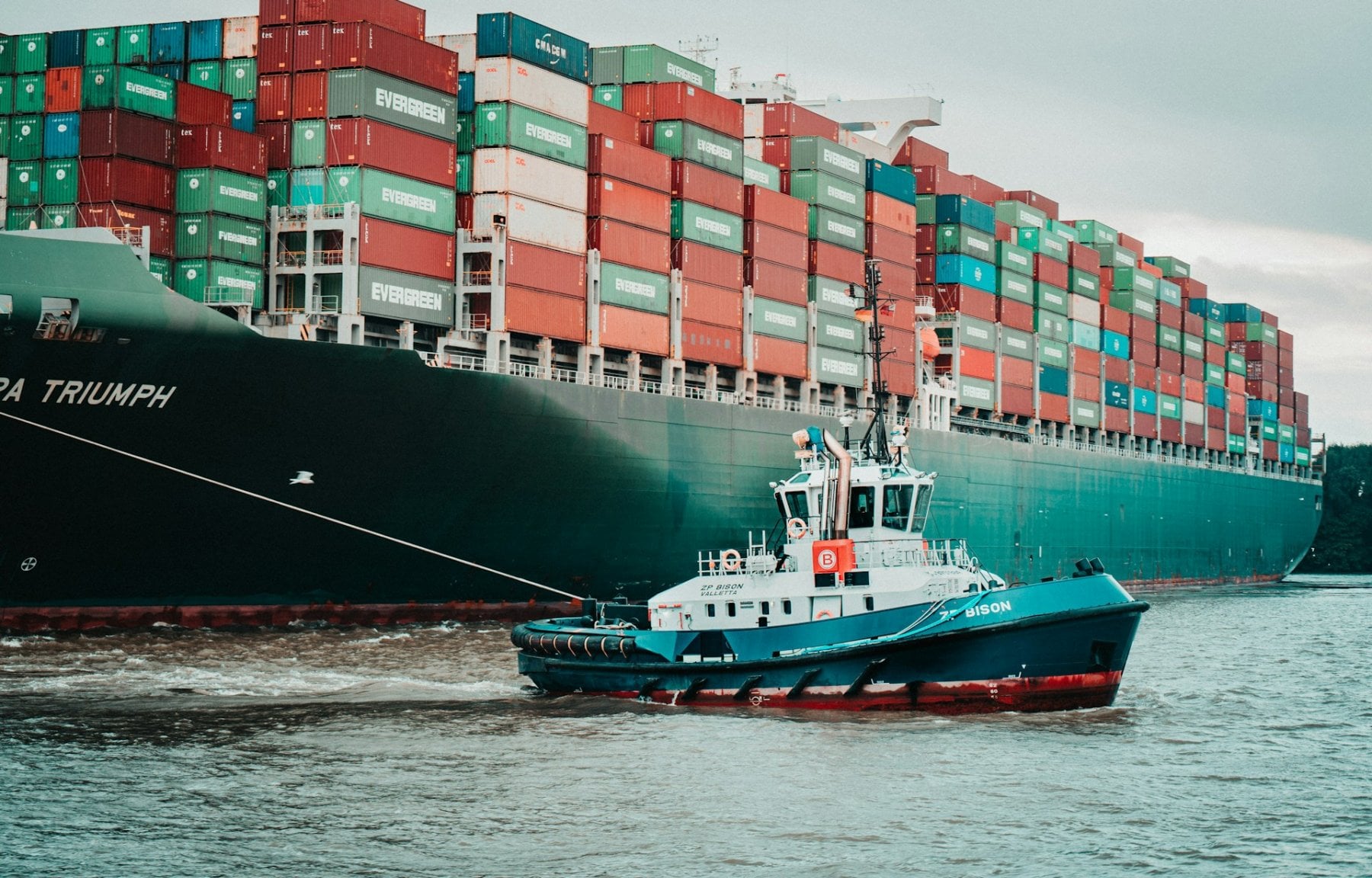
Global supply chains have moved far beyond simple point-to-point transportation.
What was once a linear process, sourcing, manufacturing, and delivery, has evolved into a multi-layered system involving real-time data, automation, regulatory compliance, and risk management across continents.
As this complexity increases, so does the need for technically trained professionals who can understand, manage, and optimize these systems.
This is not a theoretical shift. It is visible in how companies now structure operations, hire talent, and invest in infrastructure. Supply chains today are systems, not just processes, and systems require technical thinking.
Why Supply Chains Are Becoming More Complex
Several concrete factors are driving this complexity, and they are not slowing down.
Globalization and Multi-Sourcing
Companies rarely rely on a single supplier anymore. A single product may involve components from multiple countries, each with different regulations, lead times, and risk profiles. This introduces coordination challenges that require advanced planning tools and technical oversight.
Real-Time Data Expectations
Modern logistics relies heavily on visibility. Businesses expect to know where goods are at any moment, how delays will impact delivery, and how to reroute in real time. This depends on:
- IoT sensors
- GPS tracking systems
- Integrated data platforms
Managing and interpreting this data requires professionals who understand both logistics and the underlying technologies.
Regulatory and Compliance Layers
Customs regulations, environmental standards, and trade policies are becoming more detailed and more dynamic. Compliance is no longer a static checklist. It is an ongoing process that often requires system-level integration with documentation, tracking, and reporting tools.
Automation and Robotics
Warehouses and ports are increasingly automated. Robotics systems handle picking, packing, and sorting. Autonomous vehicles are being tested for last-mile delivery. These systems require:
- engineering oversight
- maintenance planning
- integration with existing logistics software
This is where purely operational roles are no longer sufficient.
Engineering Demand Is Expanding Across Supply Chains
The demand for engineers is growing globally, but it is important to be precise about why.
Engineering demand is not driven by a single industry. Instead, it is distributed across sectors such as construction, energy, manufacturing, and increasingly, logistics and supply chain operations. What has changed is that logistics is now competing for the same technical talent pool.
Where Supply Chains Fit in Engineering Demand
According to labor and industry reports from organizations like the U.S. Bureau of Labor Statistics and McKinsey, demand for engineers is driven by:
- infrastructure modernization
- automation and robotics
- digital transformation
- sustainability initiatives
Supply chains sit at the intersection of all four.
For example:
- Warehouse automation requires mechanical and electrical engineers
- Transportation optimization relies on industrial and systems engineers
- Digital supply chain platforms require software and data engineers
While supply chains may not be the single largest employer of engineers, they are one of the fastest-growing areas where engineering skills are being applied in new ways.
Why This Matters for Professionals
This shift is creating opportunities for those with advanced technical training. Employers are increasingly looking for professionals who can:
- understand system-wide impacts rather than isolated tasks
- work across software and physical infrastructure
- adapt to evolving tools and platforms
This is where advanced education in engineering gets its value. Engineering programs, both online and in person, are designed to bridge theory and real-world application, preparing professionals to operate where logistics, data, and infrastructure intersect.
The Role of Engineers in Modern Supply Chain Systems
Engineering roles within supply chains are not limited to design or construction. They are embedded across the entire lifecycle of goods movement.
Systems Design and Optimization
Engineers are responsible for designing supply chain networks that balance cost, speed, and resilience. This includes:
- warehouse layout design
- inventory flow modeling
These decisions are increasingly supported by simulation tools and predictive analytics.
Automation Integration
Automation does not function in isolation. Engineers must ensure that robotic systems, conveyor belts, and sorting technologies integrate smoothly with software platforms and human workflows.
This involves:
- configuring control systems
- managing data inputs and outputs
- ensuring safety and reliability
Data and Analytics
Supply chains generate large volumes of data. Engineers with data skills are needed to:
- build forecasting models
- analyze performance metrics
- identify inefficiencies
This is especially important in industries where margins are tight and small improvements can have significant financial impact.
Risk and Resilience Planning
Recent global disruptions have shown how vulnerable supply chains can be. Engineers contribute to resilience by:
- modeling risk scenarios
- designing redundant systems
- improving response strategies
This requires both technical knowledge and an understanding of global logistics dynamics.
Real-World Applications Across Industries
The need for technically trained professionals is visible across multiple sectors.
E-Commerce and Fulfillment
High-volume fulfillment centers rely on automated systems to handle thousands of orders per hour. Engineers are needed to maintain system performance and adapt to changing demand patterns.
Manufacturing Supply Chains
Manufacturers must coordinate raw materials, production schedules, and distribution. Engineering input ensures that these processes are synchronized and efficient.
Cold Chain Logistics
Transporting temperature-sensitive goods such as pharmaceuticals and food requires precise control systems. Engineers design and monitor these environments to prevent spoilage and ensure compliance.
Port and Terminal Operations
Ports are becoming increasingly automated, with systems managing container movement, scheduling, and tracking. Engineers are essential for both implementation and ongoing operation.
The Skills Gap and Workforce Challenges
Despite growing demand, there is a noticeable gap between the skills required and the available workforce.
Key Challenges
- Shortage of professionals with both technical and logistics knowledge
- Rapid evolution of tools and platforms
- Need for continuous upskilling
Employers are not just looking for engineers. They are looking for engineers who understand supply chain dynamics.
What Employers Are Prioritizing
Companies are increasingly prioritizing candidates who can:
- work with cross-functional teams
- understand both physical and digital systems
- adapt quickly to new technologies
This is shifting hiring strategies and influencing education pathways.
How Education Is Adapting to Industry Needs
Educational institutions are responding to these changes by offering more specialized programs that combine engineering with logistics and data analytics.
These programs often focus on:
- systems engineering
- operations research
- supply chain modeling
- automation technologies
For professionals already in the workforce, pursuing advanced education can provide the technical foundation needed to move into higher-responsibility roles.
The Future of Technically Driven Supply Chains
Supply chains will continue to evolve, and technical expertise will become even more central.
Key Trends to Watch
- Increased use of artificial intelligence in forecasting and planning
- Expansion of autonomous transportation systems
- Greater emphasis on sustainability and energy efficiency
- Integration of blockchain for transparency and traceability
Each of these trends requires engineers who can design, implement, and manage complex systems.
Conclusion
Supply chains are no longer just operational frameworks. They are complex, interconnected systems that depend on technology, data, and infrastructure. As a result, the demand for technically trained professionals is not just increasing, it is becoming essential.
Engineering skills are now embedded in logistics at every level, from warehouse floors to global network design. While supply chains may not be the single largest driver of engineering demand, they represent one of the most dynamic and evolving areas where these skills are applied.
For professionals and organizations alike, understanding this shift is critical. The future of supply chains will not be managed by intuition alone. It will be built, maintained, and improved by those with the technical expertise to navigate complexity at scale.
Explore more opportunities with SeaRates by [contacting us] according to your interest category