
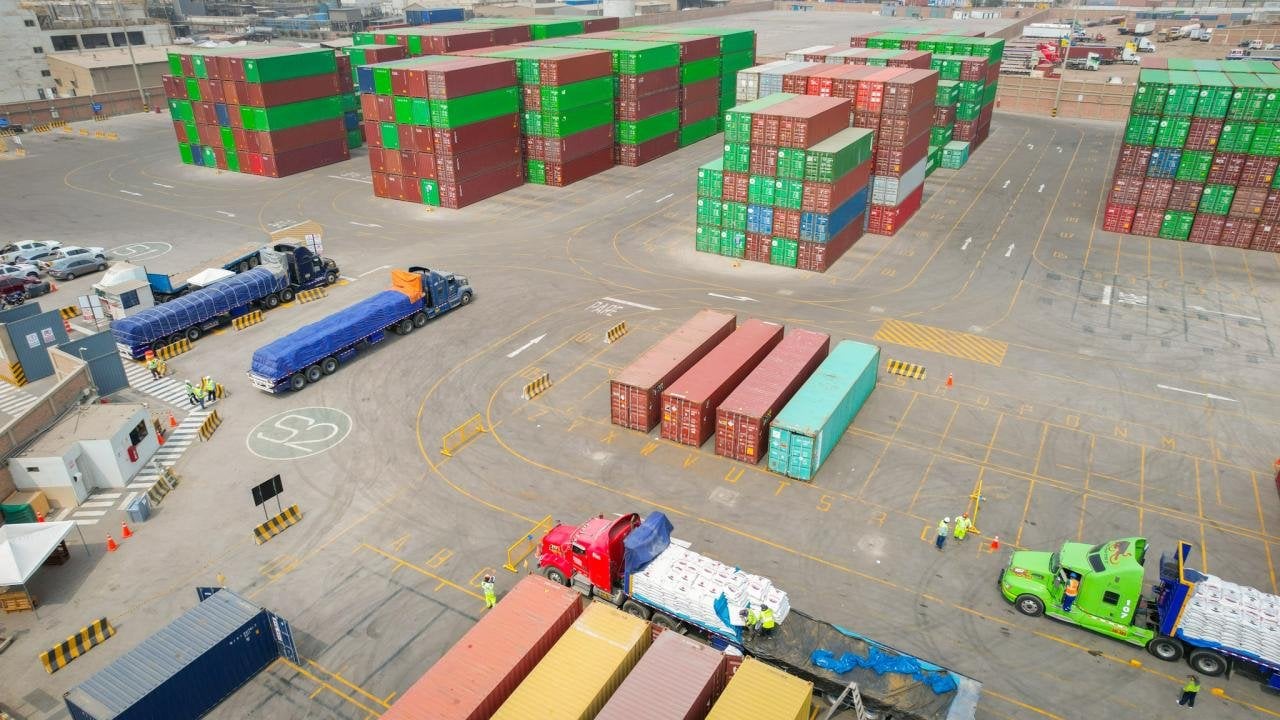
Global shipping shifts fast, and keeping cargo clearly connected through every stage of transit has become more valuable than ever. From supplier scheduling and warehouse workflows to customer communication and delivery coordination, real-time container tracking helps businesses stay synced with cargo movements across the supply chain.
Whether shipments are crossing continents or passing between nearby ports, live logistics visibility reduces shipping stress and supports supply operations. In this SeaRates guide, we’ll explain how container tracking works, what cargo details you need, and how digital tracking tools help businesses follow freight with quicker cargo coordination and more reliable route management.
Table of Contents
- What is Container Tracking?
- What You Need to Track a Shipping Container
- Container Number
- Bill of Lading
- Carrier or Shipping Line
- How to Track a Shipping Container in Real Time (Step-by-Step)
- Step 1: Get Your Container Number
- Step 2: Use a Container Tracking Platform
- Step 3: View Real-Time Updates
- Benefits of Real-Time Container Tracking
- How SeaRates Makes Container Tracking Easy
- Track Containers Across Multiple Carriers
- Real-Time Tracking and Updates
- Easy-to-Use Interface
- Best Practices for Accurate Container Tracking
- Frequently Asked Questions (FAQs)
What is Container Tracking?
Container tracking is the process of following freight throughout its journey using digital cargo tracking technology. Businesses can monitor container coordinates, cargo checkpoints, transit timelines, and estimated arrival updates through live logistics feeds and real-time freight flow visibility.
Real-time tracking matters because modern supply chains rely on stronger shipment visibility and faster freight responses. Without connected tracking tools, businesses may face shipment slowdowns, delivery delays, inventory interruptions, and communication complications.
What You Need to Track a Shipping Container
Tracking a shipping container is usually simple, but having the right shipment details makes the process far faster, smoother, and more straightforward.
Container Number
The container number is the primary piece of information needed for cargo tracking. Every shipping container carries a unique identification code that helps logistics systems monitor movement across ports, terminals, and transit routes.
Bill of Lading
A bill of lading can also help simplify shipment tracking. While it is not always necessary, this freight file includes cargo contents and transport records connected to the shipment journey from port to port.
Carrier or Shipping Line
Knowing the carrier or shipping line can make container tracking faster and far more reliable. Some tracking systems use the carrier name to quickly connect cargo updates, container checkpoints, and freight movement.
How to Track a Shipping Container in Real Time (Step-by-Step)
Step 1: Get Your Container Number
Your container number is usually shared by the shipping carrier, freight forwarder, or logistics provider coordinating the cargo journey. This unique code acts as the shipment’s digital signature throughout the freight flow, helping tracking platforms follow container movement across ports, passage points, and transit terminals with greater clarity and coordination.
Before checking shipment status, it is always worth doing a quick double-check on the container code. Even tiny typing mistakes can stop tracking systems from finding the correct cargo updates.
Step 2: Use a Container Tracking Platform
Once you have the container number, head to a container tracking platform and pop the shipment details into the search section. Some systems may also ask you to pick the shipping carrier for faster freight findings, clearer cargo coordination, and more precise progress updates throughout the journey.
Platforms like SeaRates simplify shipment monitoring by helping businesses track cargo movements across multiple shipping lines and logistics networks from one connected platform.
Step 3: View Real-Time Updates
After entering the shipment details, the tracking platform will display live logistics updates and real-time freight findings. Businesses can usually check:
- Current container location
- Transit status and shipment progress
- Estimated arrival times
- Port movements and transport milestones
Live logistics visibility helps businesses react faster to cargo changes, prevent delivery delays, and keep supply chain coordination running with greater speed and smoother shipment scheduling.
Benefits of Real-Time Container Tracking
| Benefit | Key Advantages | Business Impact |
| End-to-End Shipment Visibility | Real-time tracking delivers full freight visibility across ports, terminals, and transit routes. | Businesses can follow cargo movement from departure to final delivery with clearer coordination and fewer blind spots. |
| Improved Security and Risk Management | Continuous cargo monitoring helps businesses spot shipment slowdowns, route rerouting, and delivery disruptions before they become larger logistics setbacks. | Reduces risks linked to lost cargo, delayed deliveries, and operational interruptions. |
| Better Inventory Planning and Coordination | Live shipment updates help warehouse teams align stock scheduling with transportation timelines and freight flow forecasts. | Creates supplier synchronisation and more reliable logistics leadership and planning. |
| Faster Decision-Making | Real-time logistics data allows businesses to respond faster to changing shipping situations, transport transitions, and unexpected freight fluctuations. | Helps logistics teams maintain shipping stability and smoother supply coordination. |
| Improved Customer Communication | Tracking platforms provide clearer cargo communication, detailed delivery timelines, and smoother shipment status updates throughout the transportation process. | Strengthens customer confidence, improves transparency, and creates a smoother shipping experience. |
How SeaRates Makes Container Tracking Easy
Track Containers Across Multiple Carriers
In case you're wondering how to manage shipments across multiple shipping lines without losing logistics visibility, SeaRates Container Tracking simplifies the process through one connected platform. Businesses can monitor container movement across different carriers with smoother shipment supervision, clearer cargo coordination, and more streamlined supply chain tracking from a single centralised system.
This simplifies shipment synchronisation while reducing the need to switch between separate carrier sites and scattered tracking systems.
Real-Time Tracking and Updates
Letting businesses follow freight flow with faster visibility and smoother supervision, SeaRates provides live logistics updates across every stage of the shipping cycle.
From departure details and port progress to arrival projections and routing revisions, the platform helps businesses stay connected to changing cargo conditions through clearer container coordination, streamlined shipment scheduling, and real-time transit tracking across global logistics operations.
Easy-to-Use Interface
When shipments start shifting across ports, partners, and global pathways, smooth tracking becomes essential for faster freight coordination. SeaRates simplifies shipment supervision through a streamlined platform designed for quick cargo searches, real-time routing reviews, and live logistics visibility without complicated systems slowing operations down.
From smaller shipment scheduling to large-scale supply chain support, the platform helps businesses follow freight flow with greater clarity, consistent coordination, and more convenient cargo control across every stage of transit.
Best Practices for Accurate Container Tracking
Accurate shipment tracking relies on consistent cargo monitoring. Businesses can strengthen shipment precision and support smoother supply chain stability by following several practical tracking practices:
- Always use the correct container number when searching shipment statuses and cargo schedules
- Regularly review tracking progress to monitor transit timelines, port pauses, and possible delivery disruptions
- Use a centralised logistics platform to simplify shipment visibility across global supply chains
- Monitor shipment statuses closely for changing transit conditions, delivery developments, and routing revisions
- Explore SeaRates shipping solutions and smart logistics tools to support smoother shipment scheduling, cargo coordination, and container control
You can also contact the team at SeaRates for professional platform support, freight guidance, and global logistics assistance.
Frequently Asked Questions (FAQs)
1. What is Container Tracking?
Container tracking is the process of monitoring shipping containers throughout transit using live shipment tracking tools.
2. How are Container Tracking ETAs Calculated?
Tracking ETAs is usually calculated using shipment schedules, carrier coordination, port progress, transportation traffic, and live cargo movement updates to provide clearer freight forecasting and smoother shipment scheduling.
3. Where is my Container?
You can locate your container by simply entering the container number into a shipment tracking platform connected to your shipping carrier or logistics provider, helping businesses follow freight flow with smoother shipment supervision and clearer cargo coordination.
4. Can I Track a Shipping Container Without a Container Number?
In some cases, businesses may track shipments using a bill of lading or booking reference, but the container number remains the most accurate tracking method.