
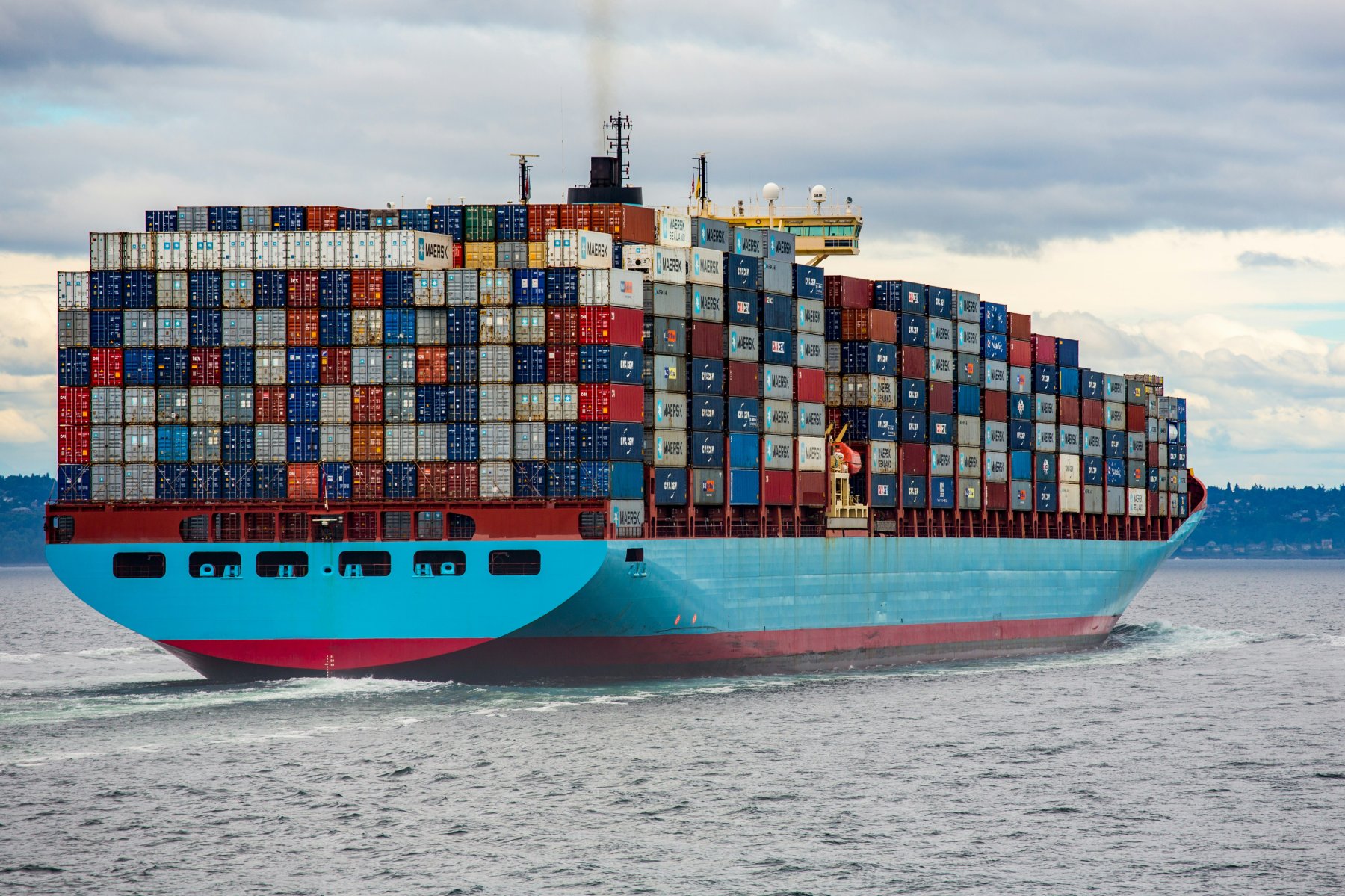
With trade barriers such as the 25% tariffs on imports from Mexico and Canada, logistics providers and manufacturers are reviewing their supply chain management procedures. Customs restrictions may change and lead to higher prices, but there are smart steps you can take to save more in 2025. USMCA certification and optimized routing can provide your business with savings and operational efficiencies. Let’s find out how to accelerate cost savings with the new trade realities.
How do trade barriers change the course of vessels?
- The imposition of 25% tariffs on imports from Canada and Mexico has forced companies to change their transportation routes.
- Tariffs increase transportation costs, forcing ships to look for alternative routes.
Alternatively, shipping companies choose longer routes or diversify their port network to avoid high duty zones. Of course, this requires planning in advance and clear calculations of distance and transit time to optimize routes.
Redirecting shipments through newly built customs barriers increases transportation and handling costs. After all, without exact estimates, changing the port or route results in increased customs and insurance premiums at every turn.
Financial losses due to cargo diversion
The overall budget of businesses is affected by the giant increase in import costs due to the rise in taxes on products from Canada and Mexico.
Subsequent costs for goods that have been imported on preferential terms may be deducted as losses or require price revisions.
Damaged impact estimation:
To maintain order in finances, businesses have to plan for potential losses that can be borne from increased duties. With AI predictive analytics as a part of your logistics management, find out which particular segments of the business can be seriously impacted by changes in customs regulations and how such changes might impact its cash flows.
Strategies to soften injury:
- Optimizing processes like identifying cheaper transport alternatives and reducing logistics costs will minimize losses for companies.
- Find alternative sources or substitutes for equivalent non-dutied goods.
- Change the production lines to those that can accommodate materials with different duty rates continually to maintain returns.
Duty reduction under the USMCA
What is the USMCA?
The United States - Mexico - Canada Agreement (USMCA) reduces trade barriers between the three countries in favor of goods that comply with the rules of origin.
Avoid 25% tax
Imports of qualified goods are exempt from the high 25% tariff if they are certified under the USMCA.
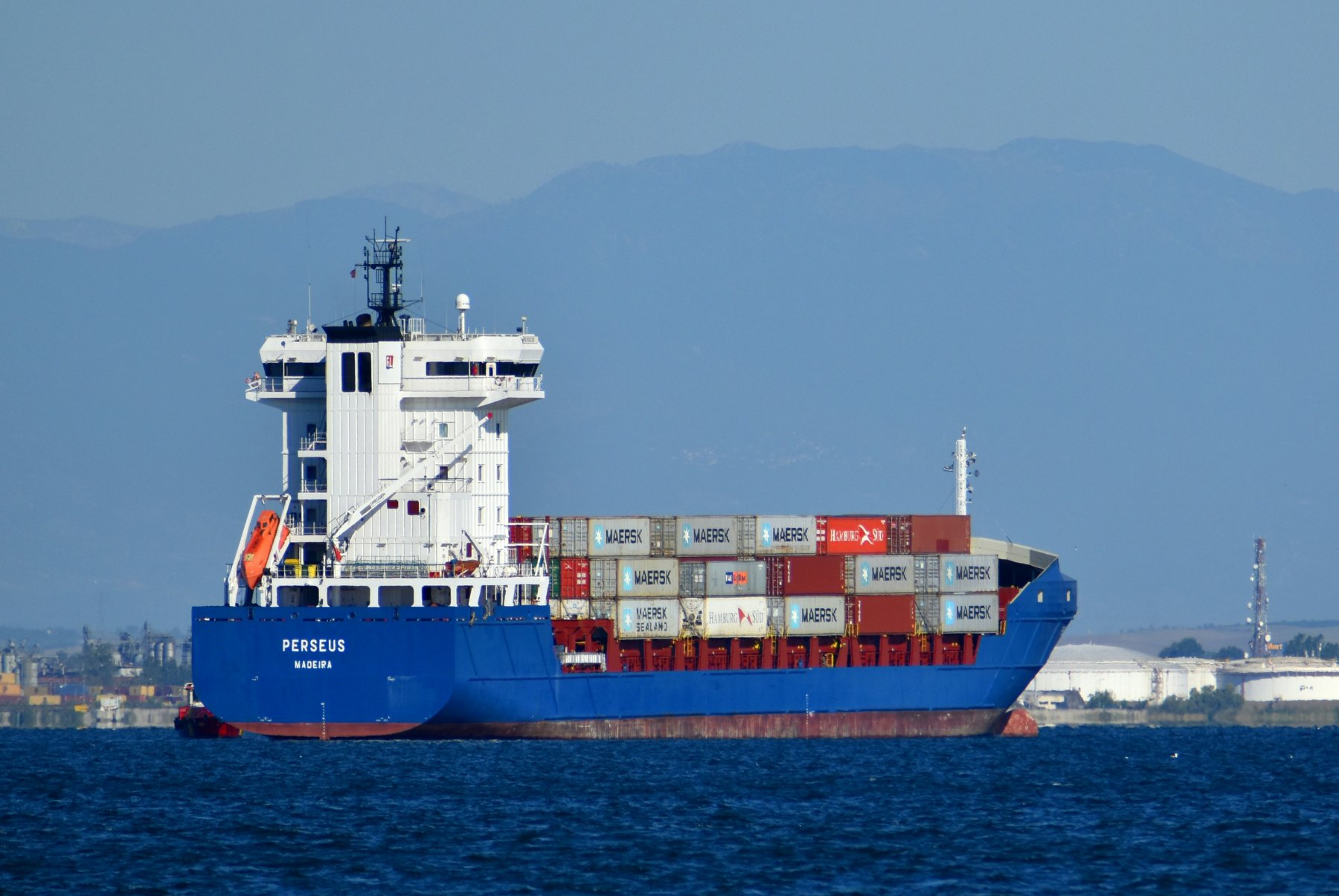
How to obtain a USMCA certificate?
1. Eligibility verification
To be eligible for USMCA benefits, a product must be manufactured or processed in one or more of the USMCA member countries - Mexico, Canada, or the United States.
2. Preparation of documents
Certification documents: Please ensure that all required documents are prepared for your application, including the declaration of origin.
3. Application and certification
The next step is to apply for certification by submitting the required documents to the relevant customs authorities. After the verification process is completed, a certificate will be issued, which does not imply any additional obligations.
Consider for shipping & trading businesses
1. Diversify markets and suppliers
- Reduce your business's exposure to a single country or regional market so that you're not caught off guard by sudden changes in trade policy or customs tariffs.
- Evaluate new markets: Consider increasing sales to other countries to reduce dependence on a single supplier or customer. This encourages the existence of alternative suppliers in a number of countries to increase supply chain stability. Look for suppliers or markets with lower customs burdens to overcome cost increases caused by changes in customs policies in one market.
2. Cooperation with customs brokers
- Customs regulations changes have an immediate impact on issues such as shipment delays or heavy fines for non-compliance with ever-changing customs regulations.
- Cooperation with customs brokers allows you to constantly optimize your customs processes by responding quickly to changes in customs policy, which is advisable to ensure compliance with new trade agreements such as the USMCA.
- Benefits include fewer penalties and delays, reduced unnecessary costs, and avoidance of troubles with customs officials, thanks to the guaranteed preparation of proper documentation and correct product certification.
3. Removal fees with USMCA certification
- When companies receive USMCA certification, they save money on imports and avoid the 25 percent duty imposed on non-compliant goods.
- Saving on customs: Some goods may not be subject to customs duties, depending on their origin. A company can apply for a partial refund of customs duties already paid if the products it purchases meet the terms of the agreement.
4. Transportation route cost efficiency
Transportation costs and customs fees can be reduced by changing routes and using ports that offer shorter customs procedures or none at all.
- Freight costs can be reduced with cheap cargo handling rates.
- Delivery time and fuel costs can be reduced by optimizing the route.
Smart supply chain optimization
Leverage SeaRates Distance & Time tool for a plenty of benefits:
- Precise distance calculation between two points for shipments by sea, air, rail, and road
- Updated transit time data for accurate shipping flows planning
- Multimodal transportation support to evaluate different ways of profitably trading
- Visualization of the routes on the interactive map
- Calculate and identify the best routes based on time and distance to minimize transportation costs.
- Use accurate data to optimize logistics processes and forecast delivery times.
Find out more about Distance & Time web integration and API connection to scale your trading
Wondering how to address your supply chain needs in the current circumstances? Reach out to us at [email protected] for streamlined and tailored logistics solutions.