
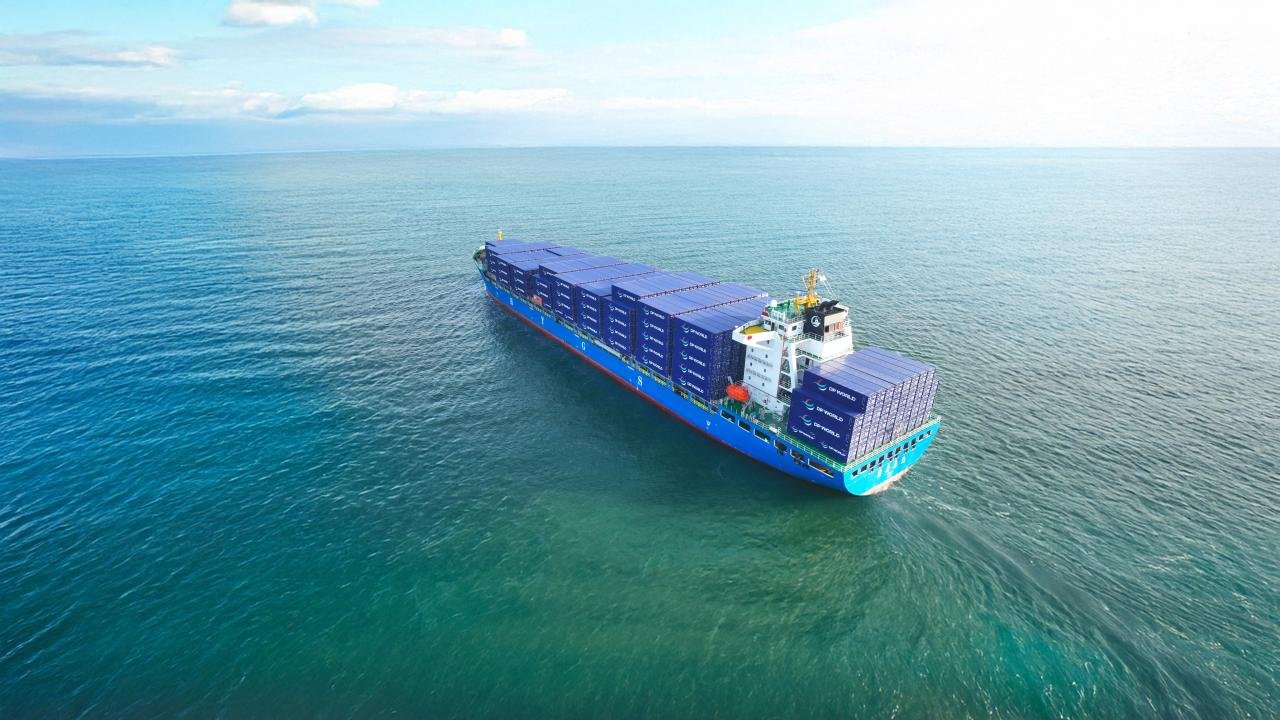
The maritime industry plays a key role in global trade, which means that a huge amount of goods is sent through the ocean every day. However, the trip from one seaport to another may not be completely safe. Weather conditions, mishaps, and even earthquakes are some of the factors that can compromise the security of your cargo.
Marine cargo insurance is there to shield the goods during their journey and consequently reduce the financial loss. Nevertheless, many businesses misinterpret its operation, particularly in cases involving carrier liability, general average, and salvage fees. In this article, we will explore the myths and realities of marine cargo insurance, helping you overcome any misunderstandings in this sector.
Understanding marine cargo insurance
Marine cargo insurance guarantees the maritime transport of goods and mainly covers losses incurred because of accidents, theft, or damage during the transport. The protection is very different in terms of coverage, costs, and even the type of marine cargo insurance policy, depending on the involved risks.
Marine cargo insurance has various typical policies. There are the most common ones:
- All Risk Coverage: This policy provides the broadest protection, covering most types of damage or loss unless explicitly excluded.
- Named Perils Coverage: This policy covers only specific risks listed in the policy, such as fire, collision, or theft.
- Limited Coverage: This is a more restricted form of coverage, which may only cover certain types of damage or loss under specific circumstances.
Insurers are the safety nets in case of a loss, but the factors that determine the amounts paid also include the respective policy and the nature of the incident.
Myth 1: Carrier liability equals full compensation
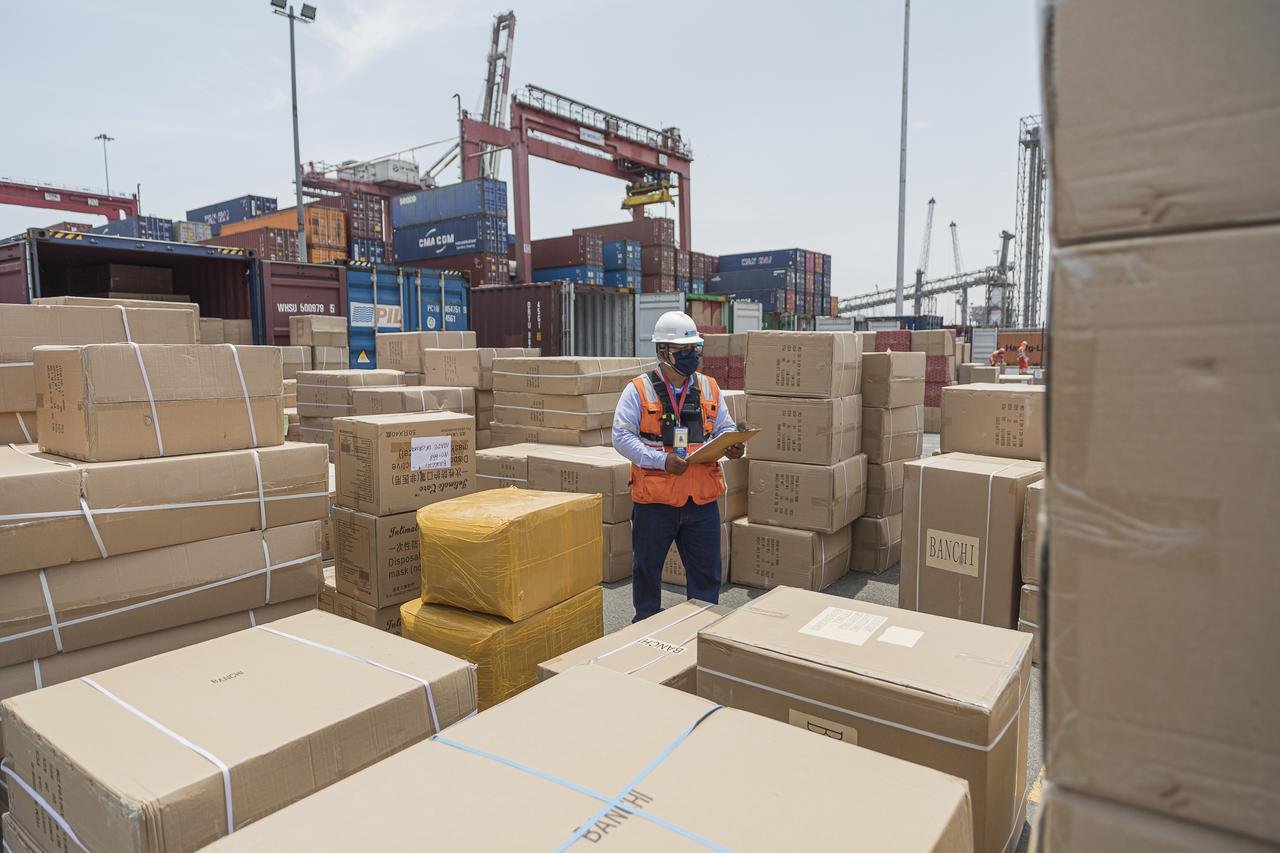
One of the major myths in the shipping industry has been that the carrier's (shipping company's) liability will always result in the entire amount being paid out for the goods that have been properly shipped but lost or damaged. Certainly, carrier liability plays a significant role. However, it does not necessarily mean the entire amount claimed will be reimbursed.
What is carrier liability?
Carrier liability is the term used to describe the shipping company's obligation under the law to take care of the goods being transported. According to international conventions like the Hague-Visby Rules, the main liability of the carrier is the goods in transit at the time, but there are limits to this liability. The maximum amount that a carrier has to pay is determined by different factors, such as the value of the goods or the kind of shipment.
Nevertheless, the liability of the carrier is limited, and often to a great extent. The maximum liability is set at a certain amount for every kilogram of cargo, which may not be sufficient to cover the total value of highly priced goods. Moreover, there are numerous scenarios in which the carrier may not be held liable at all, such as defects in the cargo or inadequate packaging, among others.
To reduce these risks, it is essential to implement an effective monitoring system that allows you to track your shipments throughout their journey. Using such tools ensures constant monitoring of the status and location of your goods, allowing you to respond quickly to any unforeseen problems. SeaRates Container Tracking allows you to easily track your cargo, giving you the confidence that your goods are under constant control.
Why is carrier liability not full compensation?
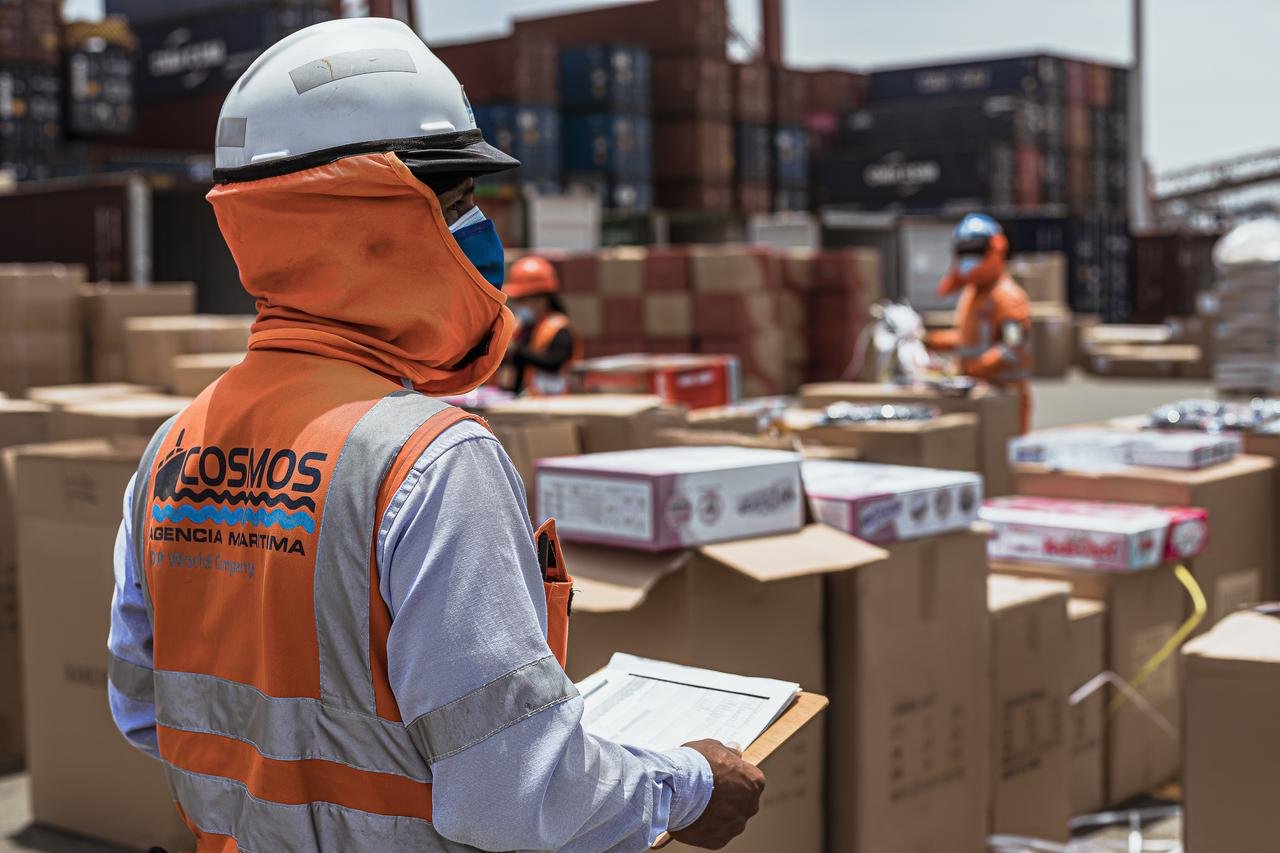
You may think that the shipping company will compensate you in full for any losses or damages to the goods in case an event happens. However, this is not a universal rule. In the instance of a collision between a vessel and another vessel where the latter's cargo gets damaged, the shipping line's liability might only amount to a small percentage of the whole cargo's worth.
This is the main purpose of marine cargo insurance: to cover the goods not only to the extent of the carrier's liability but also thoroughly, thus ensuring that the owner of the goods does not suffer any losses.
Myth 2: All damages are covered
Yet another wrong belief is that marine cargo insurance sees to it that no matter what the situation of things might be, all kinds of damages will be paid for. It is true that in insurance, one can count on getting help, but this help is not extended to all kinds of damage; rather, there are exclusions, which are very important to every policy.
Marine cargo insurance exclusions
Marine cargo insurance policies are typically written with certain exclusions in obvious terms. The list of these exclusions can be extensive, but here are a few principal ones:
- Inherent Vice: This is the term used for a natural property of a cargo that makes it likely to suffer damage. Take, for instance, fruits that are rich in sugar and therefore very tender; their natural predisposition could end up being a reason for them to spoil, and such damage would be disallowed, considering that they should not be that way in transit.
- Wear and Tear: Damage caused by the aging or gradual deterioration of products is generally not included in the insurance coverage.
- Improper Packaging: The insurance company might deny the claim if the goods are not packed and loaded properly and are damaged in transit.
Understanding underwriting and risk assessment
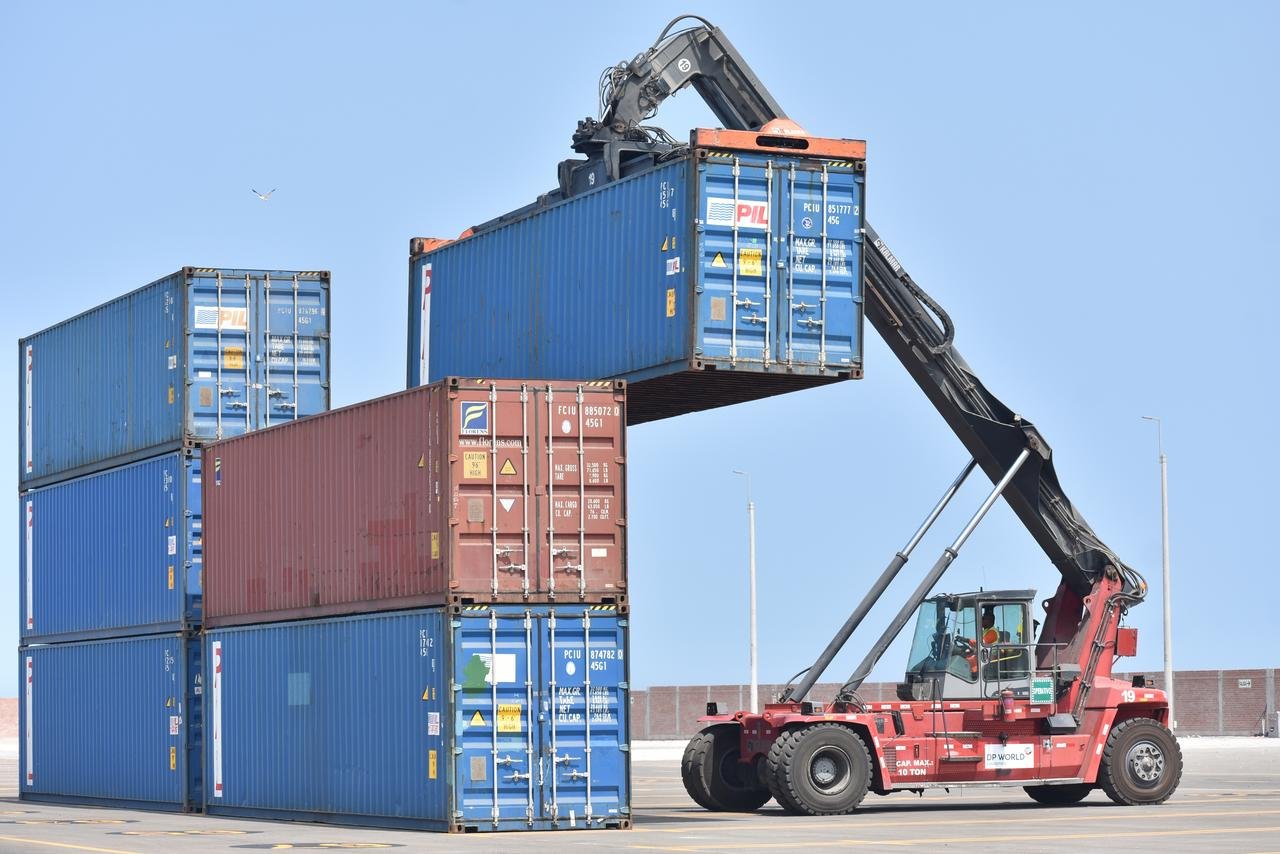
Marine cargo insurance companies assess various risks associated with the transportation of specific cargo. The three most important factors are the type of cargo being transported, the route chosen, and the types of transportation, which determine the terms of insurance. In some cases, high-risk areas may require additional coverage or higher insurance premiums. Therefore, shippers must carefully analyze their requirements and understand insurance terminology to obtain the right coverage for their goods.
Typical "surprises" in the event of accidents
Unfortunate incidents in the shipping industry are sometimes met with unexpected reactions from cargo owners. Such reactions relate mainly to general average and salvage charges. These two sectors of marine insurance can be sources of unanticipated costs for the parties involved in shipping.
General average
General average is a law of the sea principle that applies when a ship and its cargo are threatened by a common danger such as fire, a storm, or hijacking. If the captain or crew adopts extraordinary measures like throwing overboard some of the cargo in order to save the ship, then the cargo owners whose cargo is thrown away are seen to be sharing the costs associated with the loss with other owners of the cargo on board.
Let's say a vessel is caught in a storm and some cargo is thrown overboard to keep the ship from sinking. The owners of the remaining cargo can then be required to contribute to the loss of the cargo that was thrown overboard. This means that cargo owners could incur substantial unanticipated expenses that are sometimes not included in their insurance coverage.
Salvage charges
Salvage charges refer to situations where a ship or cargo must be saved from peril, usually when the ship is aground or in danger. These operations, like rescuing a ship by tugboats or retrieving sunken cargo, can be quite expensive. The cargo owners bear the cost of such services, even though their goods are not directly affected by them.
There are times when the expenses related to salvaging operations are greater than the value of the cargo. This is really a nightmare scenario for the cargo owners, as it would mean heavy losses, especially in case the items are already damaged or destroyed during the operation.
Recognizing your liabilities
Charges incurred from general average and salvage operations point out clearly the need to be aware of the complete maritime risks. It is an obligation on the part of the cargo owners to accept that they may have to face unanticipated expenses even if their goods are not harmed at all. One solution to such business risk is to have a marine cargo insurance policy that is all-encompassing and covers general average and salvage charges. This type of policy guarantees that the owner is not made to suffer the full impact of these extra costs.
Shipment timeline planning is also an efficient way to stay informed about the exact departure and arrival times, reducing the uncertainty around timing and improving the ability to predict potential delays or issues. You can find up-to-date sailing schedules and optimize your shipping plans with tools like the Ship Schedules.
How to navigate these challenges?
The difficulties of engaging with marine cargo insurance and its limitations are quite serious. Nevertheless, there are still steps that cargo owners can take to fortify their position and minimize the financial risks connected with ocean transportation.
1. Choose the right insurance policy
The selection of a suitable marine cargo insurance policy is among the most crucial actions that one can take. Cargo owners must engage knowledgeable brokers and insurers to provide them with the necessary assurance regarding the extent of coverage and the list of exclusions. The policies must be designed to fit the particular needs of the cargo and the shipping route so as to allow for maximum protection.
2. Know the carrier's liability conditions
Understanding the carrier's liability is necessary before the shipment of goods. Given that the carrier's liability may not completely compensate for the goods' value, it is prudent to add adequate marine cargo insurance as a supplement. Clarifying the limits of carrier liability can help to withstand unpleasant surprises in case something goes wrong.
3. Consider general average and salvage charges
The owners of the cargo should be ready for the possible expenses associated with general average and salvage charges. Even though these costs are not always included in the insurance coverage, there are still more options that can safeguard against such risks. Being ahead of the curve by acquiring knowledge on these terms and doing the necessary preparation can save a company from going through a serious financial crisis when an accident occurs.
Conclusion
Marine cargo insurance is your must-have for the protection of goods during transportation. However, it is also necessary to indicate myths and realities about this process.
- The carrier's liability does not necessarily mean that the owner of the cargo is compensated in full, and standard policies do not cover all possible damages.
- General average and salvage charges could lead to unexpected costs, even for the cargo that has not been damaged.
Shipping goods across the seas involves inherent risks, but with the right knowledge and protection, businesses can navigate these challenges with confidence and protect their supply chain operations.
For any questions or further assistance with marine cargo insurance, feel free to reach out to the SeaRates team at [email protected]. We're here to help you navigate the complexities of global shipping with ease.