
Further transformations of the logistics industry and global trade strategies are expected for us at the beginning of the peak summer season of 2025. How is the market currently looking, and what changes should shippers be prepared for? What should logistics providers consider when adapting their strategies? Nowadays, we have a unique environment that requires great flexibility and awareness of trends and predictions of global supply chains.
In this article, we'll share insights for sea, land, and air transportation, as well as foresight to assist logistics businesses in navigating the rapidly changing landscape.
Freight market overview
⚓️Sea freight
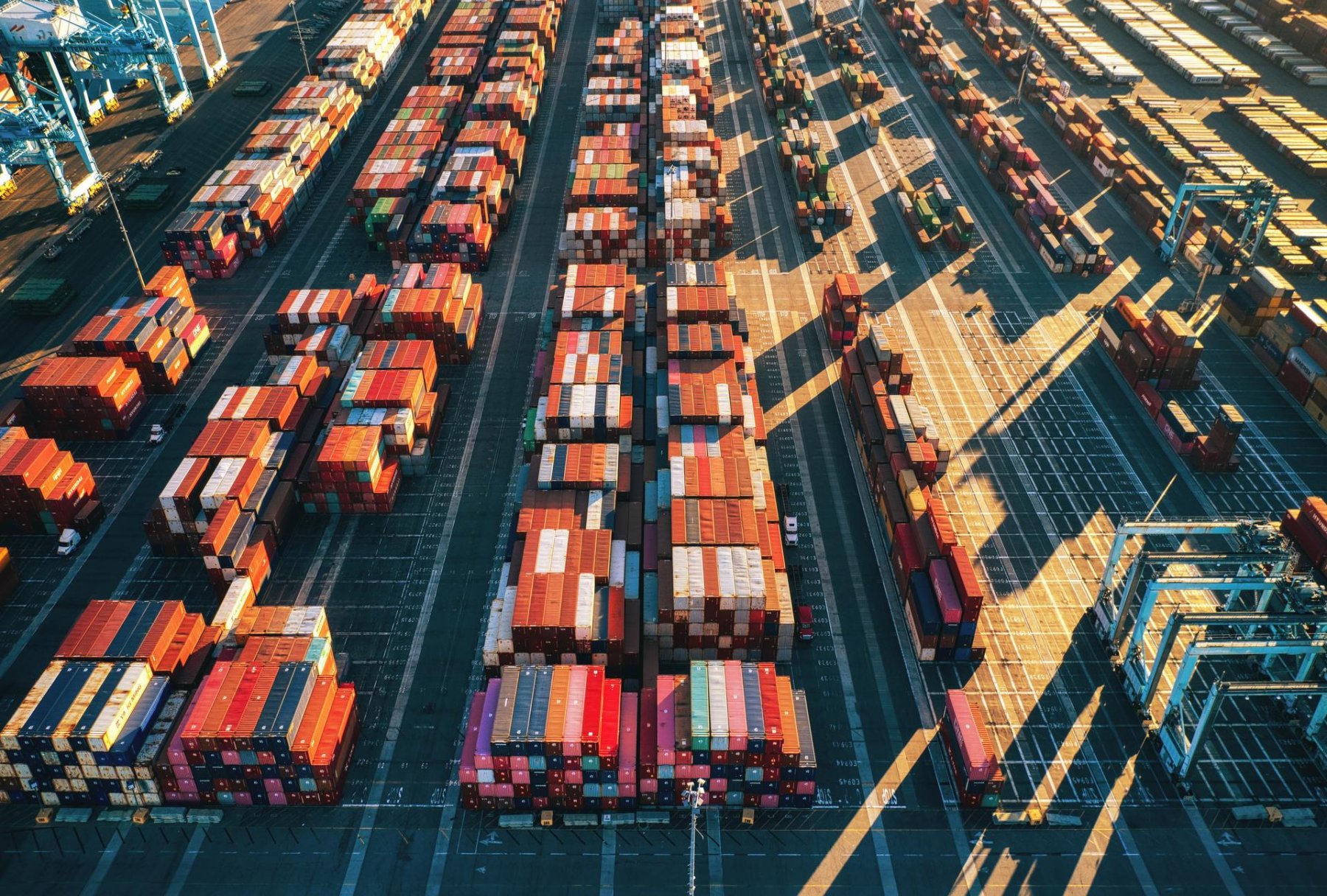
- Notable 1%: The very first week of summer 2025 saw a reduction of 1% in the world's container traffic due to administrative trade restrictions, lower demand, and cancellations of bookings on trans-Pacific routes.
- Large-scale decarbonization: Investments in clean fuels are increasing by companies such as Yara and Grupo Ibaizabal. The investments have been related to operations of ships running either on ammonia or LNG-limited natural gas.
- FuelEU Maritime full implementation: The demand for biofuels, hydrogen, and shore power infrastructure in the EU remains quite high because of the following regulations, requiring a 2% decrease in greenhouse gas emissions intensity by 2025 and an 80% decrease by 2050.
- Diving into West Africa: MSC expanded its fleet by launching 24,000 TEU vessels on the African Express for the first time in the region. Some pleasant changes for logistics opportunities across Ghana, Côte d'Ivoire, and Togo.
🛤Land freight
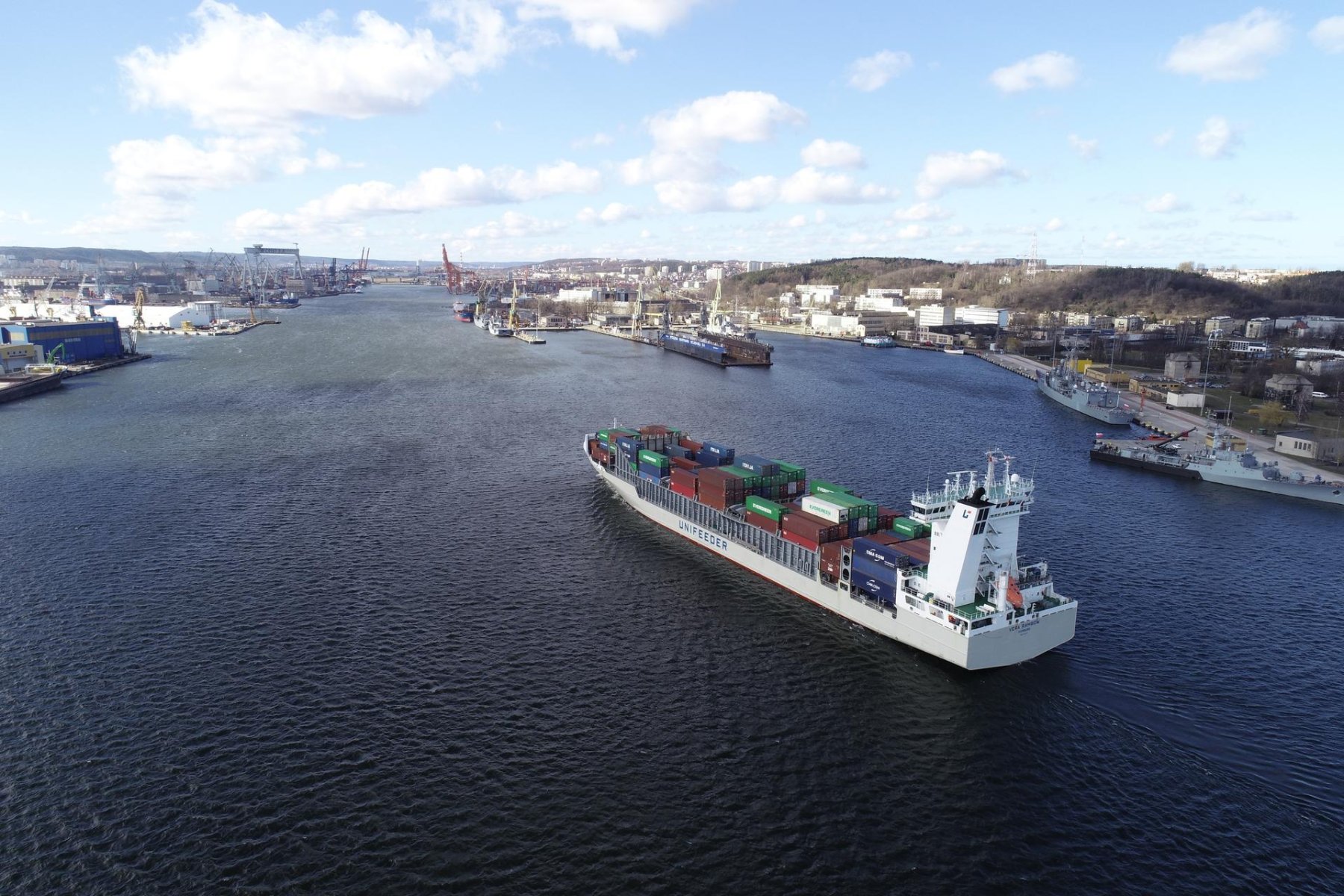
- Increased cost of shipping to the US: Pre-pandemic demand for ground transportation was being driven, and freight costs were being increased due to a shortage of freight capacity on highways and railroads, and fewer new carriers.
- The impact of increased port tariffs on land logistics: When routes are being changed to avoid an extra charge on ships that enter the US port bound for China, that is an addition to the pressure on land logistics, thereby maybe driving up its cost.

✈️Air freight
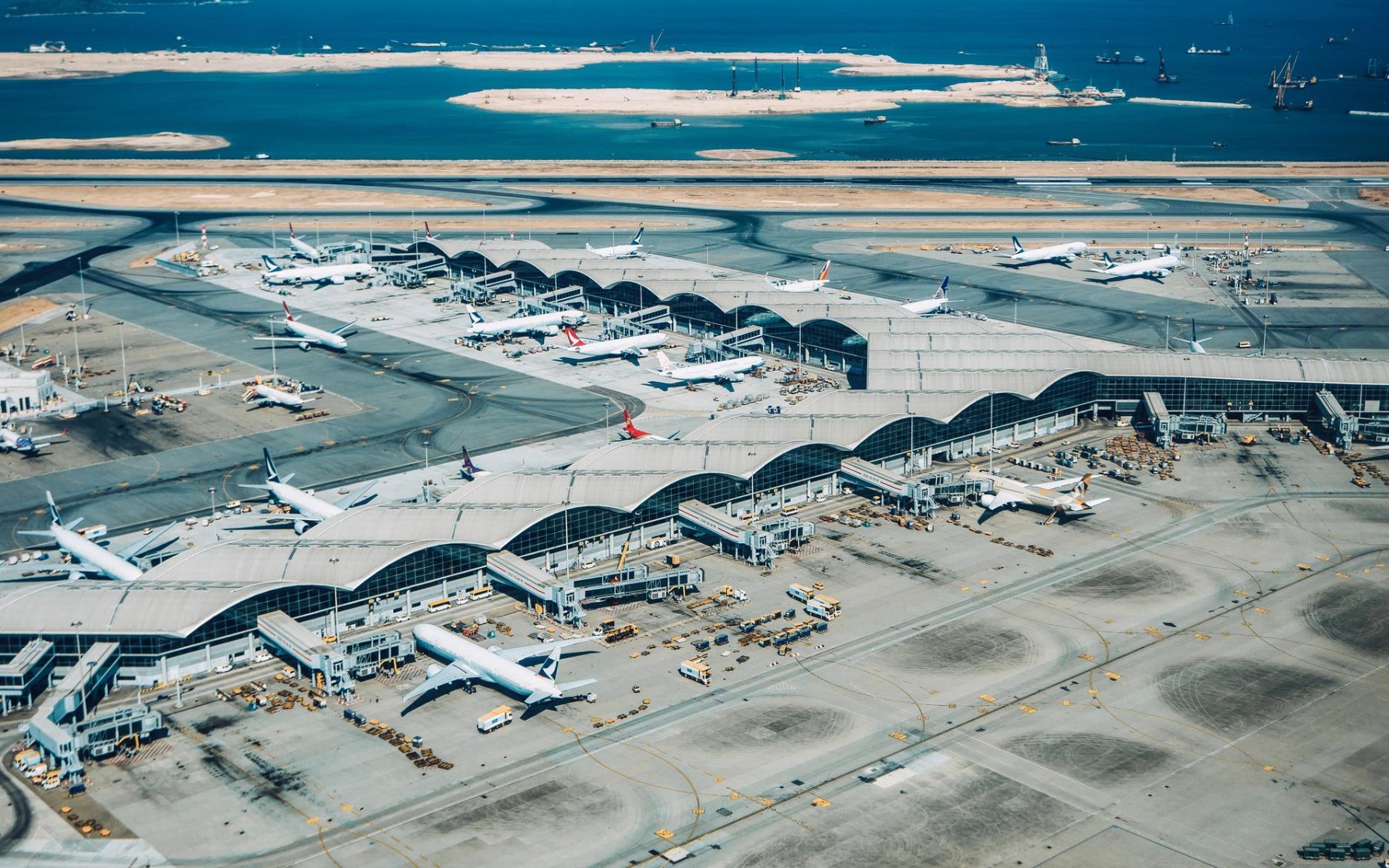
- High-value goods are ahead: The growing demand for air transportation for these types of goods is being driven by strong demand from the pharmaceutical industry and e-commerce.
- Decrease in overall demand for air transportation: Despite the previous point, economic uncertainty reduced air travel demand by about 3% year-on-year.
- 'Traditional peak' in summer: Among these traditions (seasonal trends) are fluctuations in fuel prices, which can significantly affect tariffs.
- Industry modernization and investments: Increased investment in air logistics infrastructure and technology to reduce operating costs and increase efficiency. Investments are focused on the digitalization of logistics, namely, enhancing the implementation of real-time cargo tracking and management systems.
Impact of new tariff waves
After June 4, 2025, customs duties on steel and aluminum are expected to increase, with the current level already at 50%. Over the past six months, the Trump administration has imposed 120+ tariffs covering about $350 billion of imports:
Breakdown by industry
| Industry | Imports volume under tariffs ($ billion) | Main target countries |
| Steel industry | 150 | China, India |
| Electronics | 90 | China, South Korea |
| Agriculture | 40 | Canada, Brazil |
| Mechanical engineering | 70 | EU, Mexico |
Key risks & opportunities
📉Risks
- While the US Federal Court of Appeals in May recognized the Trump administration's partial abuse of power in imposing the tariffs, the appellate court did not respond by upholding the tariffs. This creates legal uncertainty for logistics businesses.
- On average, the cost of delivery increases by 5-7% due to higher duties, especially on Pacific routes.
- Additional costs for land transportation were caused by the forced search for alternative delivery methods instead of the more expensive sea freight.
- The upward trend in delays resulted from large-scale warehouse logistics congestion and an increase in ground transportation.
📈Opportunities
- More investments into clean fuel and decarbonization technology are promising freight futures.
- Expansion into emerging markets like West Africa opens the trade routes and opportunities for business.
- Digitalization of logistics brings transparency, efficiency, and cost control.
- Demand for high-value and fast shipping (pharmaceuticals, electronics) nested growth areas.
Summer 2025 forecasts
| Parameter | Current status (Start of June 2025) | Forecast for summer 2025 | Notes |
| Container transportation volume (million TEU) | 103 (down 2% compared to April) | Further decline by 1-2% is expected | Impact of custom duties and trade restrictions |
| Average tariff (USD per TEU/mile/kg) | Sea: $2300 per TEU (+4.5%); Land: $2.50 per mile (+6%); Air: stable/increasing tariffs for high value cargo | Increase in tariffs by 5-7% in sea and land transportation; air — increase in tariffs for high-cost cargo | Tariffs increase due to higher costs and lack of resources |
| Delays in ports (hours) | 53 hours (10% increase compared to April) | Delays are expected to remain stable or slightly increase | Due to infrastructure modernization and tariff changes |
| Shortage of qualified drivers (%) | 15% driver shortage in the US | The deficit will remain at the level of 10-15% | Affects availability and tariffs |
| Demand for air transportation (%) | Down 3% year-on-year | Growing demand for fast transportation of high-value goods | Pharmaceuticals and electronics drive demand |
| Investments in digital technologies (%) | Growth by 15% in the Q1 of 2025 | Investment growth forecast of 20% | The need to optimize and reduce costs |
Must-do for shippers & freight forwarders
This time couldn't be better for greater control over your logistics and trade operations. Advanced shipment planning must meet the current conditions: unexpected fluctuations in customs duties, a volatile freight market, demand booms for certain types of transportation, etc.
Prompt response and a proactive attitude are the right way to develop your logistics and avoid costly mistakes. Those are the things that shippers and logistics providers should focus on:
- Reasonable budget planning: Recognize trends of the freight rates market in line with the dynamics of tariff waves. Analytics of predicted changes to avoid unexpected expenses.
- Rates and service offers comparison: Find the best terms and the most favorable transparent rates in one place for simplified planning. For example, get up-to-date rates from China to the United States and compare them to alternative routes via South Korea or Japan. Also, you can analyze different types of transportation or consider multimodal shipping.
- Increased cost transparency: Detailed rate breakdown to avoid unexpected costs. Estimating the cost of rates is useful to determine the impact and analyze the profitability of logistics in general.
All this is available with Logistics Explorer by SeaRates.
Targeted cost prediction for smooth logistics
With the online freight calculator, you can:
- Find real-time & market-transparent tariffs for affordable shipping by sea, air, road, and rail
- Compare carriers and rate options to find the most appropriate and flexible terms for your shipments
- Instantly booking to guarantee the prices and cargo space
- Plan logistics with confidence and proper calculations
Find out more about Logistics Explorer web integration and API to adapt your trading for profit
Striving for comprehensive control of supplies and transportation budget to avoid hidden costs and delays? Reach out to us at [email protected] for streamlined and tailored logistics solutions.