
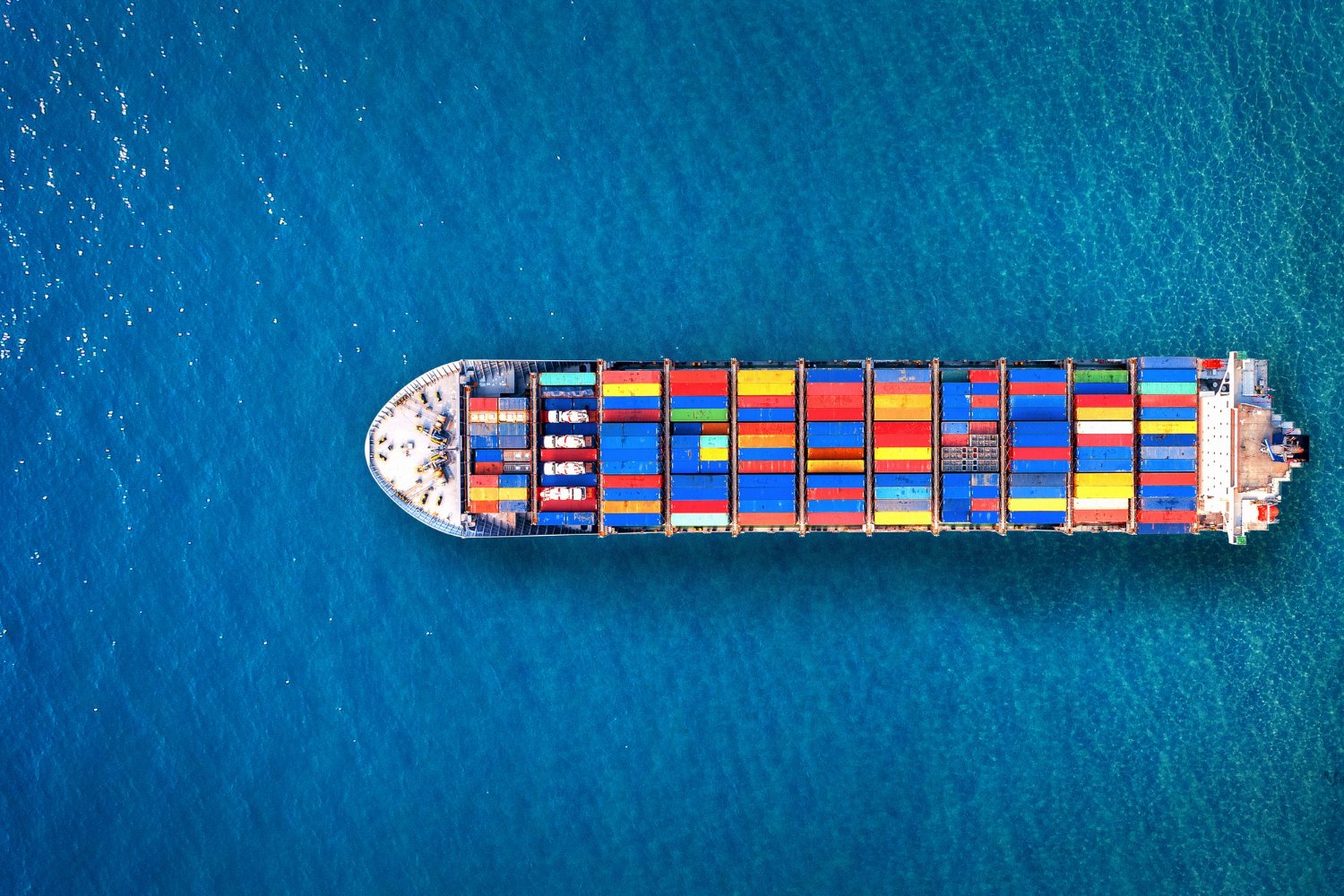
Today we're going to play a game called “wrong logistics” — a scenario of your shipment where everything that could go wrong did so. Based on such situations, we will analyze the most common mistakes in maritime cargo transportation and the consequences of making them. At the same time, we won't leave you with only negative impressions but invite you to learn from positive experiences, as we'll consider how to avoid each of these failures.
Planning the logistics right is key to making it successful, but what exactly does that mean? What kind of transport should the carrier pick? How should the shipper compare quotes? These and other questions might throw you off track.
Let's take a look at some mistakes that can be easily avoided with the right guidance.
🚢1. Sea freight — only a “fallback option”
Our first pitfall would be to choose sea transport only when other options become too expensive or unavailable. From the outset, we will consider sea shipping only as a “backup plan” in case air transport proves costly.
Therefore, we will not plan them, hoping that other transportation options will be more profitable. However, when air transportation started to raise prices because of its high seasonality, sea transportation would be the only one option.
Consequences:
- Restricted route options and carriers offers: There are very few options for line selection and route optimization if you book sea transportation at the last minute.
- Overloaded lines and extra expenses: Delays, overloaded vessels, and higher transportation expenses result from the growing demand for the few available sea routes.
- Extra expenses: Ineffective planning may lead to additional costs for accelerated deliveries or unavoidable force majeure events. Sure, that could have been prevented with more thorough preparation.
How to avoid it:
- Maritime transportation as a part of long-term strategies: Don't just use maritime transportation as a "backup option". Integrate it into your overall supply strategy.
- Plan ahead: You'll have a wider carriers selection and routes the earlier you decide to use sea transportation, which will lower costs and prevent delays.
- Route selection flexibility: Handle unforeseen circumstances more skillfully and guarantee increased dependability when you have a variety of options from sea shipping carriers.
📋2. Mistakes in documentation
Once the cargo has been shipped by sea, a new problem will arise — incorrect documentation. Upon checking the bill of lading, it will become apparent that the HS codes were entered incorrectly, and some certificates were not updated.
Consequences:
- Customs and port delays: Incomplete paperwork can result in customs delays, missed delivery dates, or even cargo seizure, all of which raise expenses.
- Penalties and fines: Inaccurate documentation leads to fines for breaking port or customs laws, which would make the transportation process even more difficult.
- Improper insurance: If cargo is damaged or lost, it could be challenging to get payment from the insurance provider if the documentation is inaccurate.
How to avoid:
- Standardize cargo descriptions by describing items in the same way across all paperwork (bills of lading, invoices, and customs declarations) and making sure that their HS codes correspond.
- Careful documentation: put in place a system that ensures all required paperwork is checked before cargo is shipped. The names of the goods and the goods code (HS code) must match, and every document must be filled out accurately.
- Ask experts: It is best to engage seasoned logisticians or customs brokers or do it with the Smart Documents by yourself to verify and prepare the documentation for important cargo or products that are subject to particular customs regulations.
⛓️💥3. Poor “last mile” coordination
Due to Murphy's Law or simply from the realistic consequence of not having put the proper logistic arrangements in place, we shall then face yet another problem: uncoordinated "last mile" logistics at the stage of delivery to port and receipt of cargo. Even if the vessel is there on time, are you sure you have already booked a trucking company to pick up cargo at the port and take it to the warehouse?
Consequences:
- Delayed delivery: Cargo on arrival, but not duly coordinated between port and inland transportation, means extra cost of keeping cargo and much less efficiency in the supply chain.
- Extra storage charges: The longer the delays at the port, the higher the charges for storage, which can become very fast, unexpected, or frightening.
- Loss of customer loyalty: Late delivery of cargo will hit the company's brand and customer confidence.
How to avoid it:
- Agree on the details in advance: Before the vessel departures, everything about the "last mile" should be agreed upon — the transport, storage space, exact timing for unloading, and receipt of the cargo.
- Close cooperation: Keep constant contact with all parties of transportation to immediately react to any change or unexpected situation.
- Ensure customer peace of mind: Provide continuous real-time monitoring of your customers' shipments.
- Have a backup plan: In case of logistics problems at the last mile, have an alternative pathway to reduce delays.
💡What should your backup plan look like?
- Alternative transport companies – have backup carriers.
- Additional storage facilities – agreements with several warehouses.
- Backup routes – plan alternative delivery routes.
- Contingency plan for customs procedures – customs brokers to speed up the process.
- Quick replacement of freight transport – use of other types of transport.
- Additional insurance measures – cargo insurance to cover additional costs.
- Planning for “buffer time” – allow extra time for delays.
📦4. Packaging and loading shortcomings
Now cargo at the port is ready for transportation, but some serious concerns regarding packaging and incorrect placement of different groups of goods have been discovered. No attention had been paid toward securing the cargo in the container, as in maintaining the load toward the center of the container or reserving the position of liquid cargo, which led to an inadequate moisture shield. All these harmed the cargo in transit.
Consequences:
- Cargo damage: Wrong packing, stuffing, or no moisture protection can cause damage to the goods, especially in high humidity or during long sea voyages.
- Non-effective use of space: Extra empty spaces in the containers increase the cost of transportation and decrease the efficiency of the logistics.
- Transshipment delays: Improper cargo placement inside containers makes transshipments harder, hence delaying and increasing costs.
How to avoid it:
- Maritime packaging standards: The cargo must be packaged according to international requirements and securely fastened against damage.
- Moisture protection: Protective materials must be used for moisture-sensitive cargo.
- Smart load optimization: Unsafe loading and inefficient space utilization can be solved through a Load Calculator, a specialized tool focusing on load optimization into a container or truck. The tool automatically calculates the best possible positioning according to the size, weight, and type of goods, thus allowing the best use of available space within the container.
💰5. High costs in crises
In the end, all errors, untimely planning, and delays may lead to the last-minute need to alter routes or look for alternative transportation; this already involves very high costs. You may need to pay extra for priority delivery, fines due to unsafe container loading, or even change routes.
Consequences:
- Increasing costs: paying extra for priority services or urgent orders due to delayed payment is already increasing transport costs.
- Overcharged for emergency bookings: any change in the schedule may generate extra costs for emergency bookings or for other means of transport.
- Redirection of cargo: When changing the routes or choosing different ports, you will have the additional costs of transshipment and new transport.
How to avoid it:
- Plan for buffer time: It is always better to add some buffer time to shipping schedules so that one does not have to rush into making it an urgent matter due to any delay or a change.
- Compare multiple contracts: Entering into agreements with several transport companies or lines will allow you to swiftly change carriers or routes with little financial loss.
- Choose flexibility in freight: Logistics Explorer helps you quickly analyze various options for transportation in real time by comparing available freight rates and transportation options from trusted carriers. This means your transportation plan can be very quickly amended to fit the most cost-effective route and protect you from the risk of very high costs.
Logistics Explorer by SeaRates
- Make a financial reserve: A reserve fund will help cover unforeseen expenses and ensure financial stability should the transportation process have to be changed.
Wrapping up
Let this story remain on paper as an eye-opening example of mishandled logistics, and let transparent freight, competitive rates, and clear preparation of your trade be realized.
Having learned the key lesson about the importance of careful planning of your budget, partner communication, cargo loading, route optimization, and many other factors, you can rest assured that your risks have been minimized.
Let us know if you need any assistance with logistics planning at [email protected], and receive a customized solution for your business.