

Planning air freight routes requires comparing multiple airline schedules and departure options across different airports. To simplify the whole management, we at SeaRates are glad to introduce the Flight Schedules API to provide you with access to global airline timetable data and enable automated route planning for logistics platforms and developers.
Let’s see how automated flight schedules will chart a smarter course for air cargo planning using our API.
What is the Flight Schedules API?
We support airline schedule data for more than 3,500 airports worldwide and ensure you can retrieve routes between airports, filter flights by date or airline, or create your own air schedule app through our REST API capabilities.
What data does the Flight Schedules API provide?
- departure & destination airport codes (IATA)
- operating airline carrier
- flight number
- departure and arrival times
- operating days or frequency
- route and connection details
We deliver data in JSON format, so you can sync airline schedule insights with your system, internal databases, dashboards, or shipment planning tools.
Key API endpoints
Request airline timetable information from the Flight Schedules API in 3 ways:
1. Daily schedules
Schedules by departure date and selected route.
This endpoint helps identify available flights and evaluate timing for cargo shipments.
2. Air freight services at worldwide Airports
Flight schedules for any global or regional airport.
Discover available airline routes and connections. Also, use connecting flights data to analyze flight frequency and evaluate routing alternatives, as well as for proper cargo capacity planning.
3. Air freight scheduling by Carriers
Optionally, filter schedules by airline to see which airport pairs a carrier serves, how often it operates, and the departure windows available. This way, our airline timetable API helps you to select the right carrier for a route and align bookings with cargo cut-offs and transit requirements.
Example API request
This request returns available airline schedules for the selected date, worldwide airports, and optionally by carrier.
Example API response
{
"origin": "JFK",
"destination": "LHR",
"airline": "British Airways",
"flight_number": "BA178",
"departure_time": "18:30",
"arrival_time": "06:20",
"operating_days": ["Mon", "Wed", "Fri"]
}
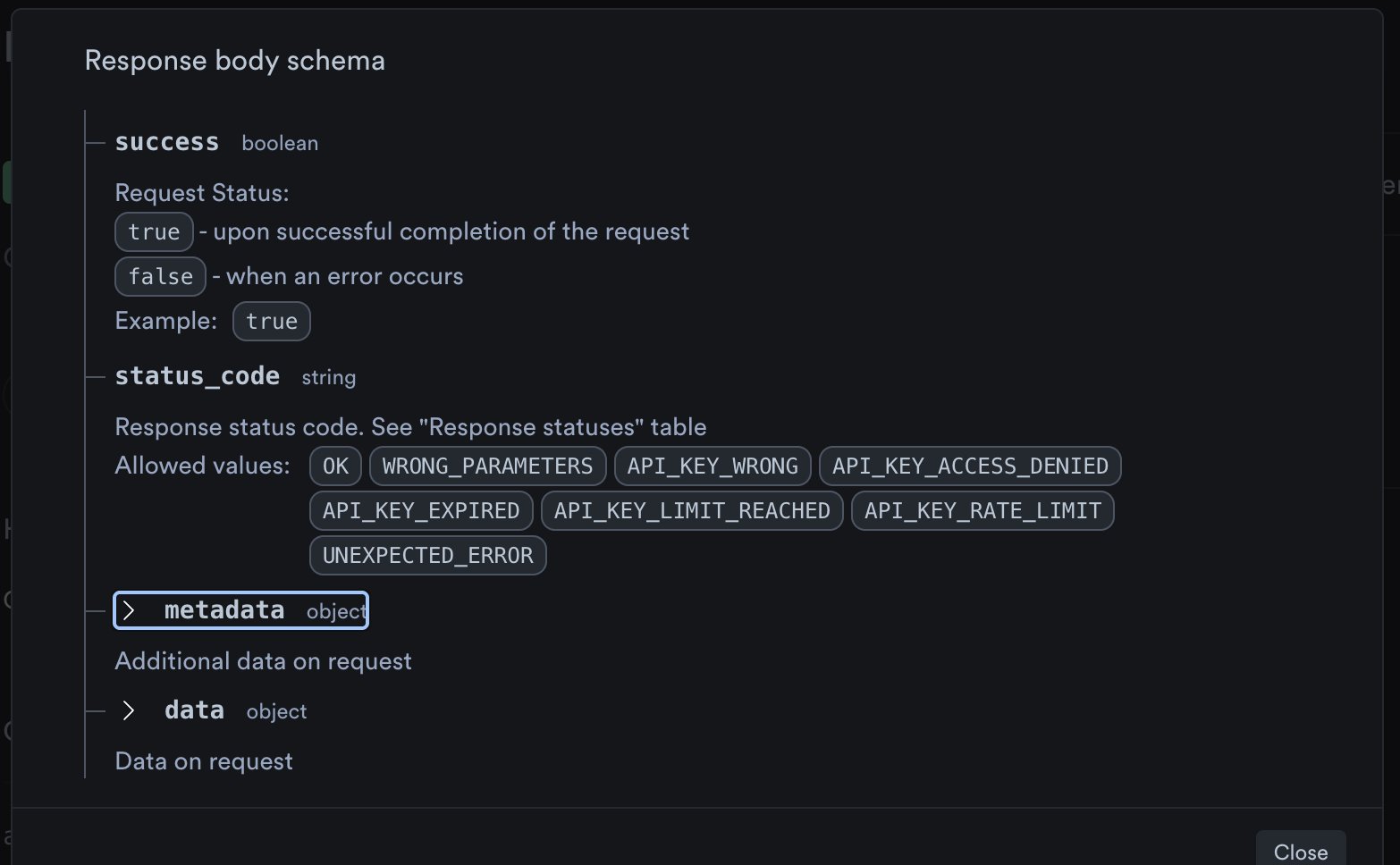
With this response, you can comprehend your flight analytics or integrate the data into shipment planning workflows.
Additionally, SeaRates’ aviation data REST API connection allows you to design your custom application. Using these endpoints to build scheduling tools or synchronize aviation data APIs for logistics platforms and transportation management systems (TMS).
Let us know about your API request, and aviation data integration will be successful.
Why does a flight schedule data API matter?
Since cargo shipments directly depend on strict departure cut-offs and limited flight frequency, we should place the time on top of planning. Traditionally, air freight routes were planned manually, and this process limited how quickly logistics teams could evaluate routing alternatives.
The difference becomes clear when comparing manual schedule searches with API-driven planning:
Manual route planning vs API-based planning
| Planning factor | Manual airline schedule search | Flight schedules API |
| Data sources | Multiple airline websites & timetables | One structured data source |
| Route discovery | Manual comparison of carriers | Automated route search |
| Flight frequency analysis | Time-consuming | Instant comparison |
| Alternative routes | Difficult to identify quickly | Automatically detected |
| Shipment planning speed | Slow and fragmented | Fast and data-driven |
Complex connections can be planned without complexity in management.
What changes when you involve flight data automation via API?
| Shipment planning | Route visibility | Carrier strategy |
| Operating days | Airport pairs | Airlines on route |
| Cargo cut-offs | Transit connections | Carrier coverage |
| Connection checks | Departure windows | Backup carriers |
The schedule data for shipment planning serves to determine which days aircraft will operate, which times cargo must be delivered to the airport, and which flight connections need to be confirmed before actually making a shipment reservation.
Logistics systems explore airport pairs by examining transit routes and available flight departure times.
The flight schedules API, from a carrier strategy perspective, provides a view of airlines operating specific routes to analyze carrier coverage or find backup carriers for emergencies.
How does the Flight Schedules API actually help to plan airfreight routes?
Your logistics system has already been connected and powered by live airline timetable data. What are the next practical steps?
First capability: Identifying available airline routes
A few seconds are needed to identify airline routes between airports worldwide.
With your system, you’ll retrieve:
- airlines operating the route
- available departures on a selected date
- potential connections through intermediate airports
- alternative routes across different carriers
Visibility across delivery deadlines and carriers is the key for logistics planners, shippers, and service providers.
Second move: Calculating transit times
With the API-provided information scope, continue your logistics planning:
- Estimate total transit time between airports
- Evaluate connection windows between flights
- Identify routes with the fastest delivery times
- Avoid routes with a high risk of missed connections
Click a single button to evaluate appropriate routing options in seconds and identify the most suitable route for a shipment.
Third step: Selecting the optimal air cargo route
There are several routing options. So, let’s select the most efficient one.
After connecting to the airline schedules API, use your business system or logistics platform to check alternative connections, evaluate route frequency, and compare departure timing across carriers. Then, you’ll get more data backup to make a reasonable choice for your air supplies.
Integrating Flight Schedules API into logistics systems
Transportation management systems (TMS)
By connecting your TMS with real-time aviation data via the API, you see the full picture of flight connections and improve visibility across air transport networks at a glance.
Firstly, get the API to check available airport-to-airport schedules and calculate estimated transit times. Then, set up your route selection with the most appropriate options for your fleet and plan departures.
Freight booking platforms
Among other logistics automation tools, the API for airline schedules improves the booking management tool. In practice, integration supports faster shipment quotation workflows based on the present multiple departure options and auto-comparing airline schedules.
Provide these critical insights for transparent booking processing between the carrier and shipper.
Own applications with live logistics data
You can use this REST flight schedules API to automate daily workflow and planning with flight schedules.
Integrate aviation data APIs for logistics platforms or build air cargo routing tools and let customers monitor route availability within your business ecosystem.
Flight Schedules API use cases
Freight forwarding operations & carriers
Freight forwarders can use the API to evaluate multiple routing options quickly when planning shipments. With live updates on flight data in your system, you can:
- identify available airport-to-airport connections
- compare airline schedules
- estimate arrival times
- present routing alternatives to customers
Logistics providers with their own digital tools & freight platforms
Logistics platforms can build automated route search tools using airline schedule data. The API enables platforms to:
- display available routes
- compare departure options
- power automated shipment planning workflows
Supply chain analysts
Airline timetable data can also support logistics analytics and strategic planning. This way, businesses optimize their transportation networks. What insights can you analyze:
- airline route coverage
- flight frequency on key corridors
- connectivity between global airports
Logistics software providers and developers
Developers can integrate flight schedules into internal systems or customer-facing products. Typical use cases include:
- connecting airline schedules to TMS, CRM, or ERP systems
- building cargo routing tools
- creating internal logistics dashboards
- supporting automated route comparison
Summarizing up
Air freight routing depends on accurate airline schedules. And you won’t keep comparing that data manually. The faster the live airline schedule data is in your system, the more efficient flight planning is.
SeaRates Flight Schedules API allows you to get real-time flights available in your systems and compare schedules to book the best carrier offer. The opportunity is in automation.
Connect to the API to sync with our flight insights database and create your own flight scheduling app, or contact our team at [email protected].