
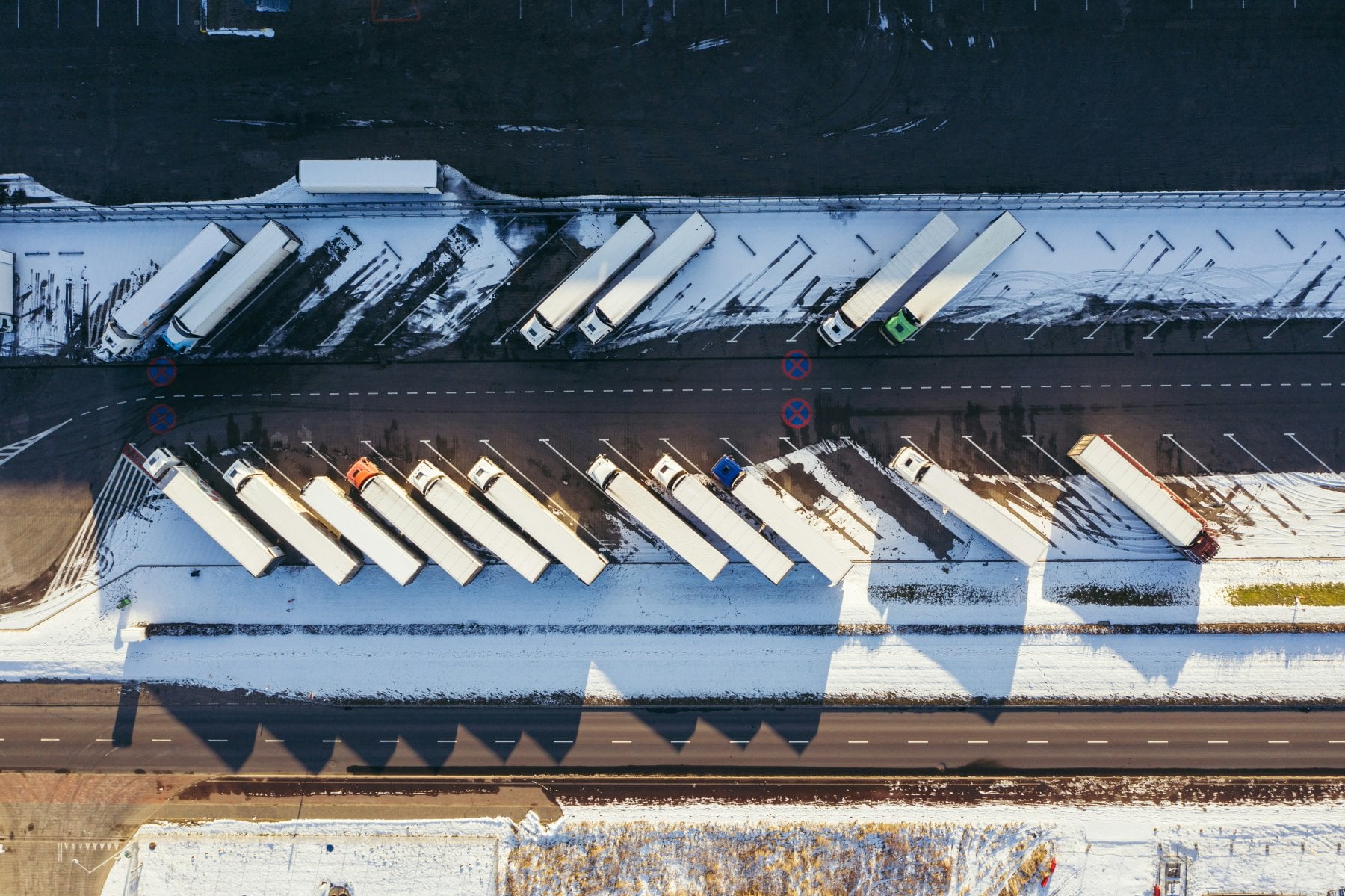
The revolution in logistics is not only about loud expectations but the day-to-day implementation of AI-based tools with predictive analytics, real-time transparency, and operational cost optimization. Follow along with SeaRates to discover how technologies are improving the safety of road freight transportation, highlighting profitable ways for businesses, and supporting the scaling of modern logistics companies and manufacturers.
Potential, challenges, and regulation of AI in road freight
The IFC mentioned in 2019 that artificial intelligence is already changing road freight transport, making it better, more efficient, and greener. With AI, the movement of goods is optimized and now more accurately predicts the arrival and departure times, especially critical to supply chains where there needs to be stability. The use of self-learning models in e-commerce and freight logistics makes effective connectivity between shippers and logistics service providers. Hence, lowering costs and the increased possibility of delay.
The European Parliament also claims that AI in transport does not only enhance cooperation among road users; it also opens further doors, like testing the technology of heavy trucks coupling for convoy driving.
AI has proven that it can save fuel costs for transport by 10-15% freely and mitigate CO2 emissions. All this is possible with key factors in planning and digitalization, which are listed below. Find out how technology can be implemented to address daily routine and critical logistics tasks.
Transport operations smart planning
Manual transportation planning involves too many factors: truck and driver selection, choice of trailer, and compliance with numerous rules and regulations. Manual planning is time-consuming and increases the risk of errors. Automation is essential to make the process easier, more transparent, and more scalable for logistics companies.
Advanced machine learning solutions quickly select the best options for planning cargo operations, taking into account all possible parameters: working hours, type of cargo, availability of drivers and vehicles, transportation rules and regulations, etc. This way, you automatically compare transportation options to select the best route and find service providers, reducing the likelihood of errors and cost overruns.
Above all, fleet management is essential to the efficiency of tracking every truck, driver, and trailer, as it reaches a point where doing so manually becomes impossible. Without a planning system, controlling the fleet's workings becomes challenging. This creates a pressing need for automation, which ultimately leads to better efficiency and reduced costs. Therefore, with the help of AI-based solutions now, globally, you can manage your fleet, optimizing vehicle utilization and cutting down empty mileage costs. In this way, the waiting time decreases and scheduling improves, thereby increasing the efficiency of the fleet.
In addition, empty truck miles and inefficient use of vehicles lead to dangerous environmental costs and emissions that increase the company's expenses. Therefore, there is a need to find optimal routes and improve the efficiency of logistics operations to reduce the associated costs. AI solutions optimize routes and schedules to minimize empty miles, saving fuel, cutting CO2 emissions, and achieving lower operating costs.

It is extremely difficult to do this manually, given the constant changes in regulations, including drivers' working hours, cabotage, and other requirements; any mistake can result in fines or violations of the law. Thus, automated systems ensure compliance with all these rules in real time. Especially in the field of road transportation, such programs help to plan drivers' working hours and adapt schedules per legal requirements, thereby reducing the likelihood of violations.
Full-scale digitalization
Demand forecasting
With data-driven intelligence, you can achieve impressive statistics of improving forecast accuracy by up to 50% and reducing inventory costs by 20-50%! Cost savings, as the main advantage, are also accompanied and complemented by a significant reduction in the negative impact of unforeseen factors on the business due to sustainable adaptation.
Intelligent real-time cargo tracking algorithms allow you to generate predictive analytics, be prepared for delays, and adjust plans in response to changes in demand.
In addition, intelligent automation of freight calculation enables you to adapt transportation strategies and make them more accurate, considering demand and available resources of the logistics business. Taking into account various factors such as demand, carrier availability, routes, prices, and more, you can predict the best freight options, which helps reduce transportation costs and achieve timely booking management.
Load optimization
Up to a 27% increase in route efficiency is possible with the automatic stuffing and loading of the container and truck loading and tipping. Fuel costs are statistically reduced by up to 19% due to reduced empty vehicle miles and improved environmental performance. Even before your vehicles are on the road, you can calculate the optimal space utilization for any size cargo in real time. By analyzing cargo weight, vehicle capacity, and route constraints, deep learning by AI virtual assistants helps reduce costs.
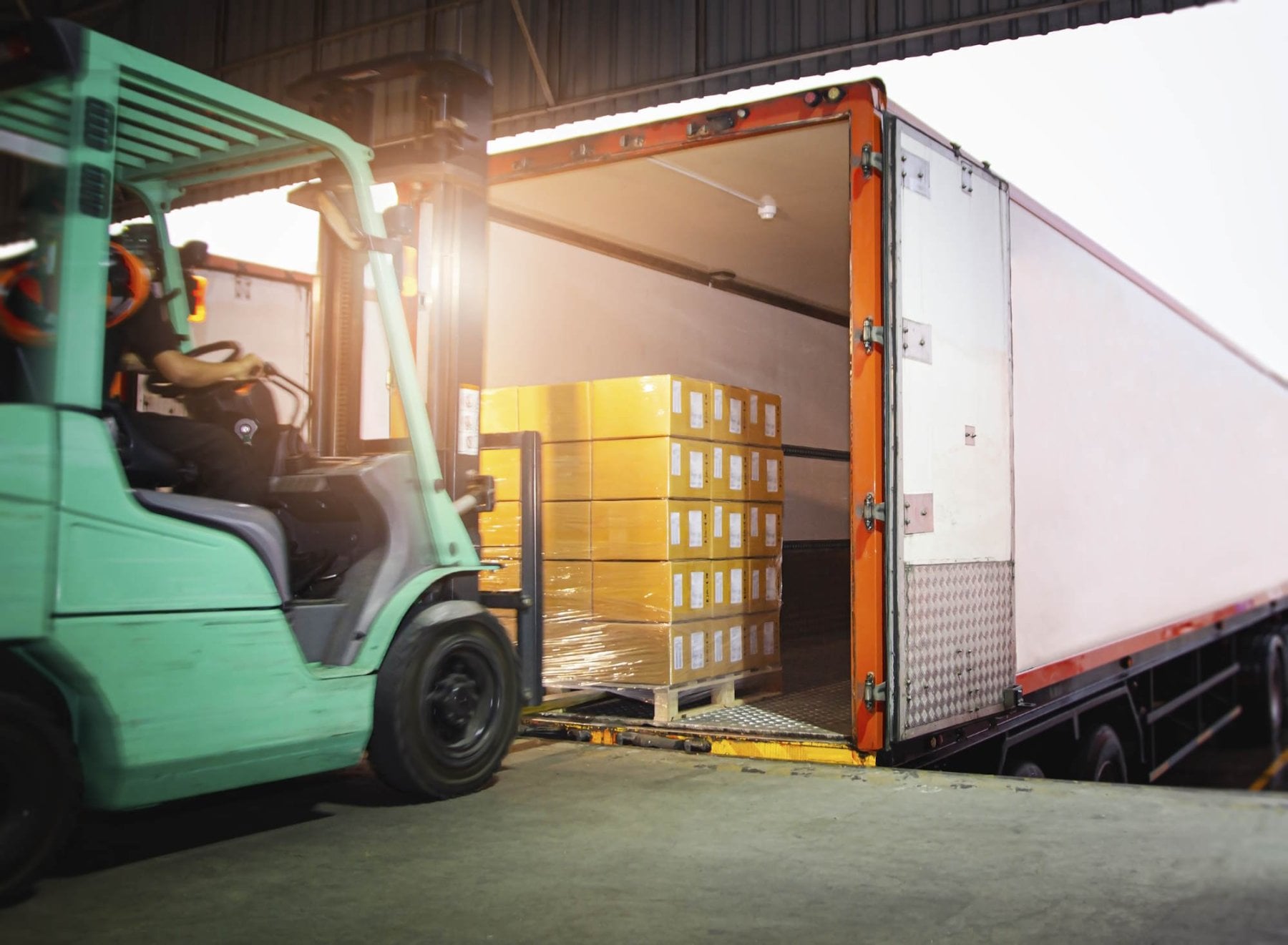
‘Digital Twins’: Data-backed win-win collaboration
Digital twins act as virtual copies of logistics facilities and processes that are developed and updated based on real-time analytical data. These can be ‘digital twins’ of warehouses, transport fleets, cargo flows, etc., which makes it possible to manage various aspects of supply chains in one place.
Carriers, freight forwarders, logistics providers, transport firms, etc. significantly optimize costs and improve supply chains because with ‘digital twins’, they have access to global markets with real-time interaction with shippers, can promote their services, manage warehouses, fleets, etc. Right here and now, they can rely on accurate updates on shipments and requests from shippers to plan routes accurately, predict delivery times, and adapt logistics to real-world conditions.
In turn, shippers and manufacturers can not only store and track shipments in real time but also plan warehouse space based on projected shipments. Thus, tools and technologies powered by AI can reduce the cost of storing goods, increase the efficiency of warehouse space, and significantly reduce the time spent on organizing transportation.
Telematics real-time data
Telematics and artificial intelligence improve driver safety and the efficiency of truck maintenance and fleet management. The overall impact of this technology is the collection of real-time data such as vehicle diagnostics, fuel consumption, and location, which allows for route optimization, demand forecasting, and improved dispatching. An important advantage is the immediate response to driver violations of safety rules, such as speeding or sudden braking, which corrects driver behavior and helps save fuel. Video telematics also reduced driver distraction by 80%, speed by 65%, and the number of collisions by 60%.
Improved customer experience
Machine learning and AI-driven tools for automated decision-making in logistics, improving efficiency and reducing delays to improve customer satisfaction. Digital solutions such as AI-based analytics and decision-support chatbots integrate visibility, speed, and flexibility in delivery. This way, communication and trust with customers are enhanced.
With generative AI, operating costs are lowered by an estimated 25% while profits increase by 5-10%. Real-time forecasting and monitoring tools make it possible for companies to improve customer service, inventory management, and transportation cost reductions for higher competitiveness.
Last-mile delivery automatization
Approximately 53% of total transportation costs in logistics are accounted for by last-mile deliveries. As automation is the solution to reduce these costs and further increase efficiency, companies are opting for autonomous vehicles. Autonomous vehicles not only minimize costs by not depending on drivers but also make the process more accurate and transparent. The AI-driven software for self-driving trucks allows you to track the location and condition of each truck in real time.
Limit human involvement and improve last-mile delivery; increase the profitability of operations, quickly adapt services to market demand, and remain competitive. This complements the use of predictive analytics driven by artificial intelligence to improve delivery efficiency.
Greening of trade
Artificial intelligence and digitalization are needed for business growth, environmental practices, and harmonized resource management, for example, with alternative energy solutions. AI-powered data analysis reduces CO2 emissions by optimizing delivery routes, forecasting demand, and managing supply chains. Planning routes using AI predictive analytics reduces fuel consumption. Studies have shown that route optimization can cut carbon footprints by about 20%.
To sum up
Catch the best time to follow the market leaders who efficiently manage their fleets, reduce operating costs by up to half, and take care of their carbon footprint by instantly reducing CO2 emissions.
Unleash the potential of SeaRates AI by integrating smart algorithms, virtual assistants, and predictive technologies for your business needs. Optimize routes, ensure full integration of logistics processes from A to Z, and maintain all flows in one place.
You are always welcome to contact SeaRates at [email protected] for customized solutions to meet your business goals. Stay afloat with tailor-made logistics management!