
How can you ensure transparent and well-coordinated shipping if the logistics are non-standard? Namely, when the cargo goes beyond standard sizes. In this article, we’ll find out the differences between these two concepts — heavy lift and project cargo, their common features, and practical applications. Continue reading and get a checklist for preparing for the transportation of heavy lift and project cargo.
Let's start by clarifying the concepts:
Heavy Lift
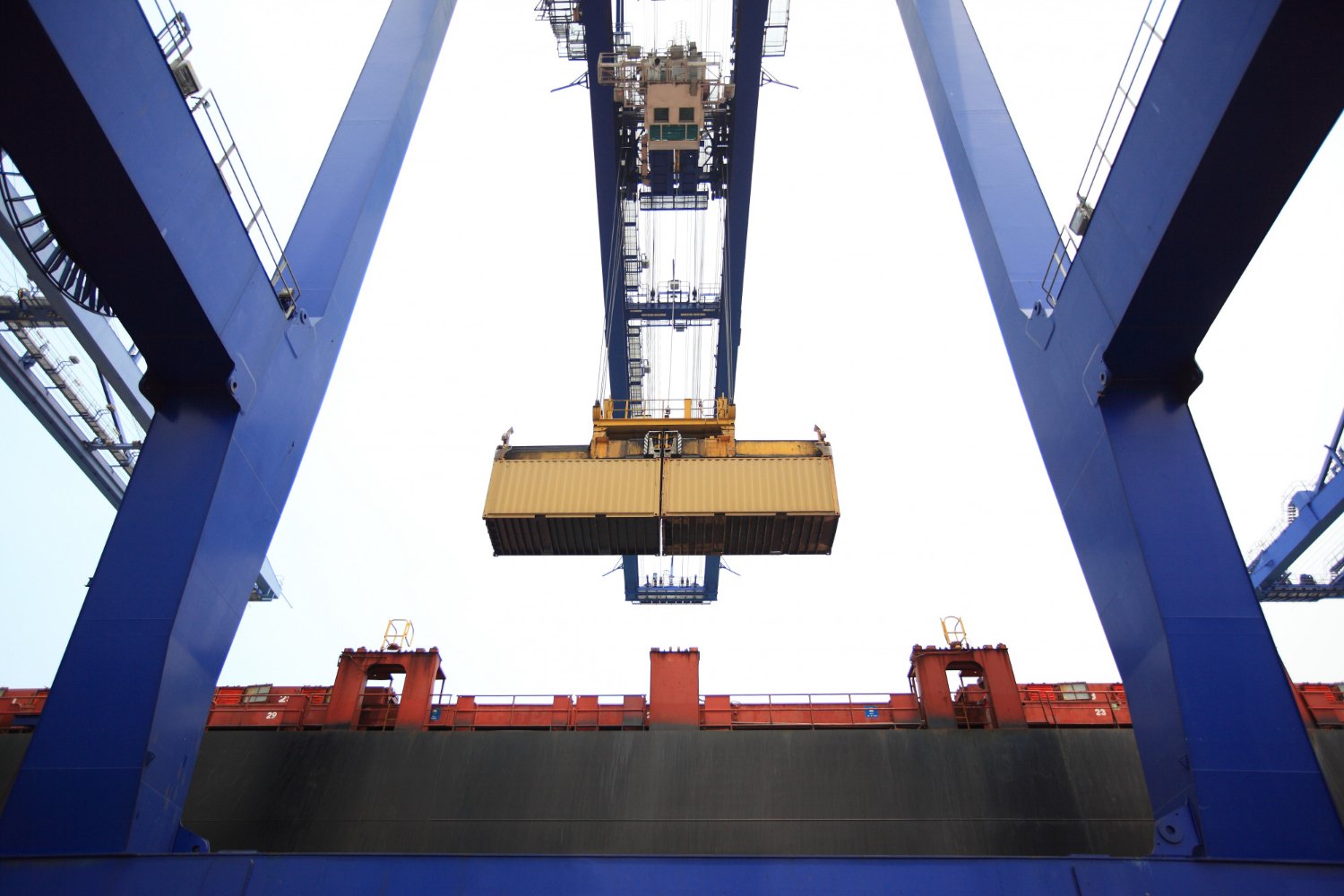
Heavy lift refers to the way of transportation of the cargo whose weight and/or dimensions exceed standard transport capabilities, requiring specialized lifting equipment (heavy-duty cranes, jacks), specialized vehicles (modular trailers), for example, dedicated heavy lift vessels.
Key characteristics
- The weight exceeds the typical load capacity (thresholds vary depending on country and transport mode, often starting from 30 to 50 tons and above)
- The dimensions do not allow the cargo to be placed in a standard container or platform
Moreover, there is a range with wider points to detect cargo for the heavy lift transportation method:
- non-standard shapes (asymmetrical or uneven loads) may prevent the cargo from being secured on a standard platform;
- inability to containerize cargo in standard 20- or 40-foot containers and the need for open platforms, flat rack containers, or other special transport;
- need for special loading/unloading equipment: heavy-duty cranes, jacks, or modular trailers;

- low transportability of cargo, requiring additional fastening, protection from damage, specific packaging, and additional insurance due to increased risks and cargo value;
- extra route requirements: it may be necessary to check the width of roads, tunnel height, and bridge strength to determine the permissible load for transported goods, whose route may be accompanied by road or port services;
- each country may have its own restrictions on transportation by size or weight, and impose regulatory requirements for the transportation of super-heavy cargo.
Heavy lift examples
Despite the name, this category includes cargo not only by weight but also by non-standard dimensions and shapes, the transportation of which requires special equipment for moving or specialized transport. For example:
- generators, transformers, wind turbine parts, and other power equipment
- industrial equipment such as furnaces, boilers, and reactors for the chemical industry
- The transportation of heavy lift cargo is essential for infrastructure, construction, the oil and gas sector, shipbuilding, the transport of industrial equipment, and other unique structures.
Project cargo
Project cargo is a logistics method that involves transporting multiple different cargoes (standard, oversized, and heavy lift) as part of a single project or facility construction. It combines parts of a single large infrastructure or industrial facility.
Key characteristics
The main feature of project cargo transportation is a customized transportation plan that takes into account the variability of multimodal routes, cargo dimensions and types, customer requirements, construction schedules, and other factors.
- Comprehensive transportation of standard containers and heavy and oversized cargo as various elements of a single set of cargo
- Complexity is determined by adaptation to an individual logistics strategy, for example, the supply of various cargoes for construction, the launch of an infrastructure facility, installation works, etc.
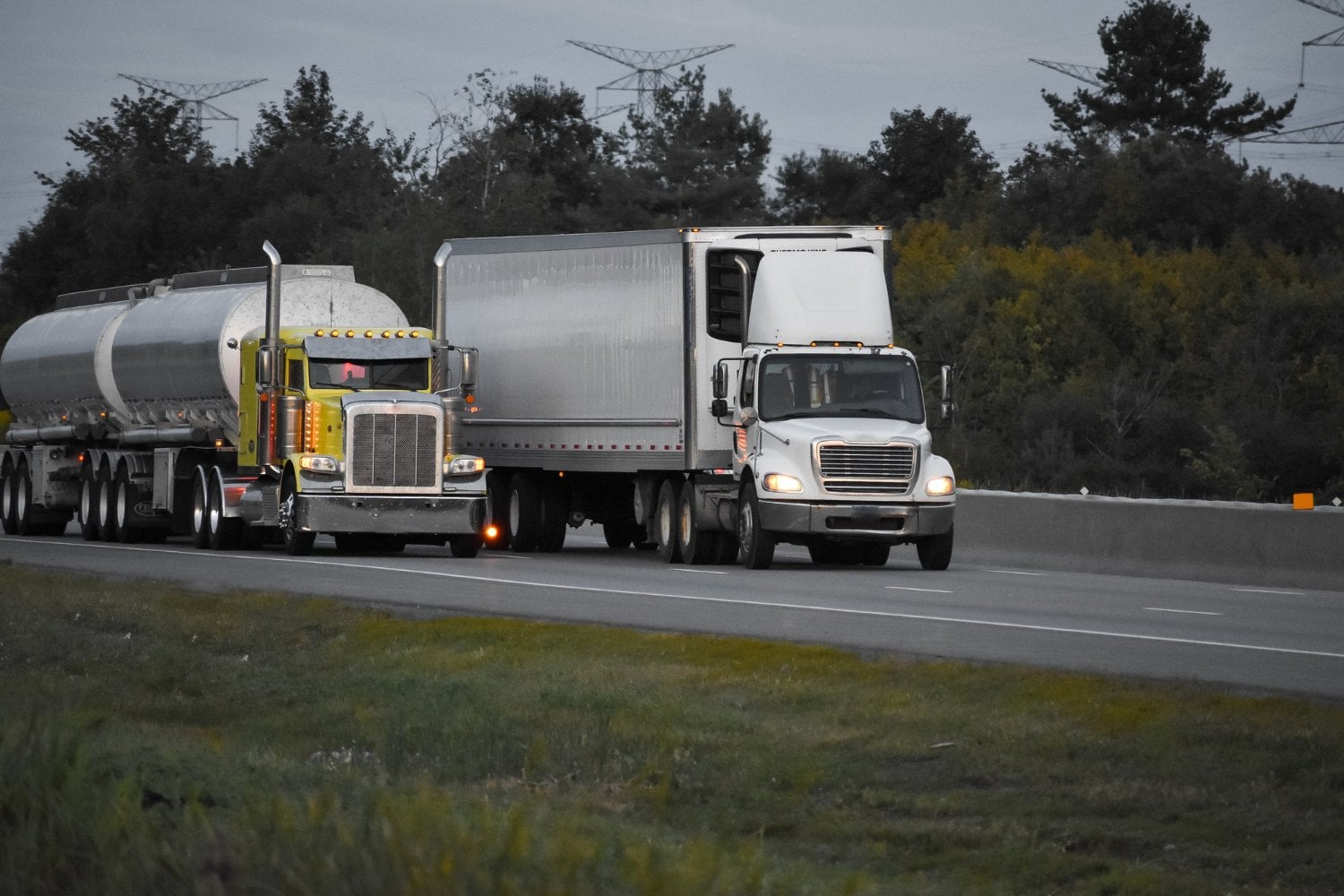
- Linear or multimodal transportation in several stages (sea, land, and air logistics)
- Coordination between carriers, freight forwarders, and shippers/consignees
Project cargo examples
Project cargo involves the logistics of valuable items, individual planning of long-term transportation to strategic locations, specific packaging, and increased security requirements.
For example, the construction of power plants, industrial parks, or metallurgical plants may require the simultaneous delivery of various quantities of both oversized and standard cargo, which is project cargo logistics.

Heavy lift and project cargo: Common features
- Heavy lift and project cargo are complementary to conventional container shipping: these methods are applied when cargo is non-standard, oversized, or requires special handling (project cargo often includes both oversized and standard containers);
- The need for special transport and equipment (cranes, modular trailers, special vessels, etc.);
- Development of a customized transportation plan with individual route planning;
- The high cost and strategic importance of cargo in both cases also require regulatory preparation, increased security, insurance, and coordination with local authorities of such specialized logistics companies;
- Multimodal transportation is typical for project cargo. Heavy lift units can also be transported multimodally, but they are often transported by a single mode of transport (e.g., a specialized vessel).
There is a complementarity between project cargo and heavy lift, because without heavy goods, it is impossible to complete many infrastructure projects. However, without project logistics, it is possible to carry out individual large-scale and super-heavy cargo transportation for large projects.
Now that we understand the interdependence and common features, let's take a closer look at the differences between heavy lift and project cargo.
Difference between heavy lift and project cargo
Heavy lift carry superheavy cargoes are separate oversized items and can be elements of project cargoes — complex logistics planning for cargoes of various sizes, dimensions, and shapes.
Purpose
Heavy lift transportation is needed for individual units (parts of bridges, stations, etc.) that have non-standard weight, shape, or dimensions.
Project cargoes are the delivery of dozens or hundreds of parts of an infrastructure facility, both oversized and standard, which are elements of a single facility.
Scale
Heavy lift — individual items or several identical units, while project cargoes are a combination of different types of cargoes (heavy + standard + oversized, etc.).
Transporting super-heavy goods requires careful consideration of the cargo capacity of the transport, while project cargo is a logistical task involving coordination and multi-level management of deliveries.

Main focus
The safe transportation of a non-standard unit from point A to point B is a clear task for super-heavy goods.
In turn, project cargo must be coordinated between participants in the supply chain, strictly adhering to the sequence of arrival of cargo at the final destination. In this task, the logistics of super-heavy cargo are already one of the elements of the overall process.
Shipping checklist: How to carry your Heavy lift vs. Project cargoes
| Stage | Heavy Lift | Project Cargo |
| 💡Planning | Calculation of the weight and dimensions of a specific unit; checking routes for transportation capability | A comprehensive logistics plan for all project components with a delivery schedule |
| 📋Documentation | Obtaining special permits for the transportation of oversized/heavy cargo | Coordination of documents for several types of cargo + coordination of customs clearance |
| 📦Packaging | Special fastening and protection against damage | Packaging and labeling of various categories of cargo (containers, standard, Heavy Lift) |
| 🛤Transportation | Use of special equipment: modular trailers, cranes, vessels for super heavy cargo | Multimodal logistics |
| 🗺Route planning | Developed route, taking into account bridges, roads, ports | Integrated planning of several routes and connections between them |
| 🔐Security | Escort, insurance, loading/unloading control | Additional coordination control to ensure the correct sequence of arrival of all cargoes |
| ⏳Time | Can be either a one-time transportation or a part of a long-term project | Long-term process (months to years) with phased deliveries |
| 🔍Example | Delivery of a 200 t transformer to a substation | Construction of a power plant: delivery of a transformer + dozens of containers + installation equipment |
Deep expertise matters
Creating a plan for non-standard transportation of project or super-heavy cargo requires the expertise of a logistics planner and precise coordination of the supply chain from start to finish.
When booking your shipments, you should receive not just promises of timely delivery, but complete coordination of processes, a transparent freight rate, an understanding of your logistics assistant's expertise, further real-time cargo tracking, synchronized cooperation, support with digital shipping solutions, and reliability.
You are always welcome to contact the SeaRates logistics team for advice on any of your transportation needs by filling out the contact form or at [email protected].
Ensure the organization of delivery schedules, contractor control, visual coordination of linear or multimodal transportation, and continuous monitoring for your peace of mind.
Your key to successful delivery is transparent logistics with SeaRates.