
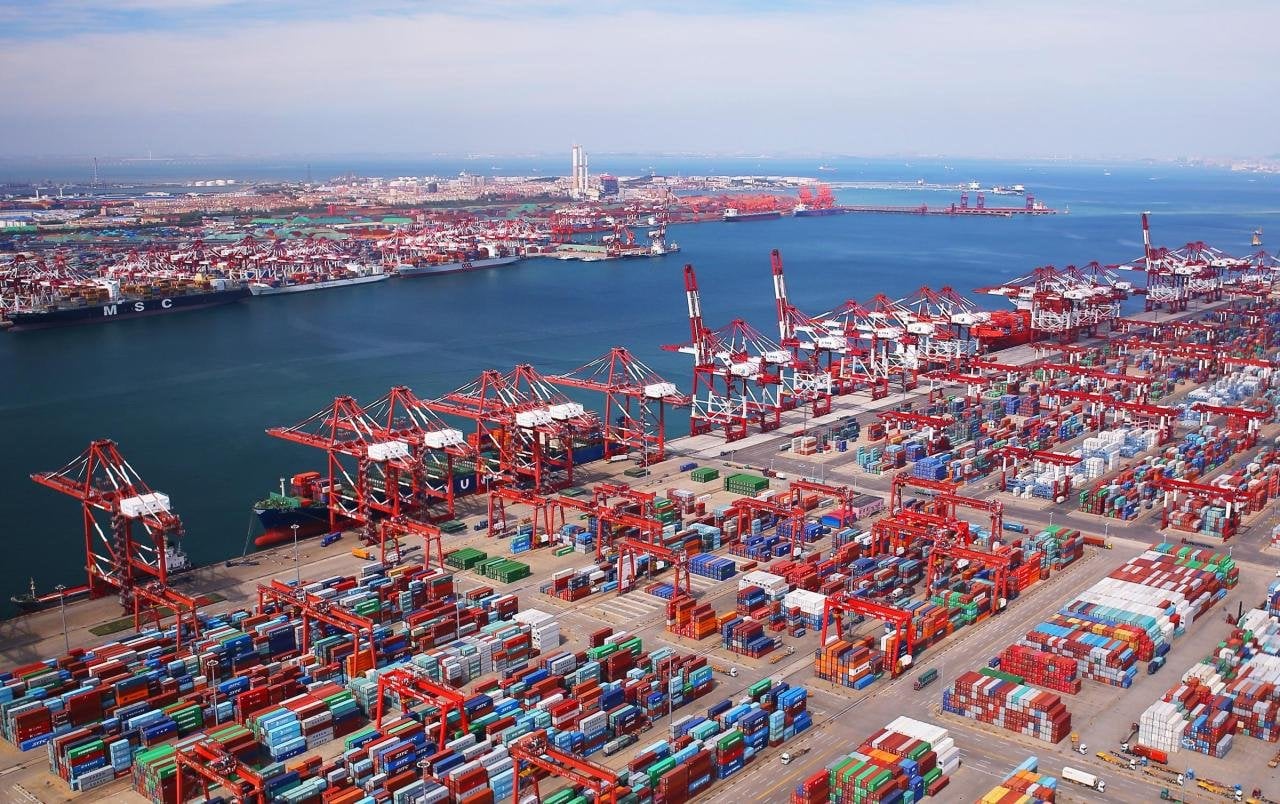
Wondering how much it costs to ship a container from China to the USA? Or looking for insight on export shipping from the USA to China? In this article, we’ll discover the entire shipping process from China to the USA and sea shipping from the USA to China to find out logistics costs, shorter transit times, common shipping documentation mistakes, and ocean freight rates from China to the USA in 2026.
Quick answer
Sea freight between China and the United States is the most important container trade lane in the world. For importers and exporters, success on this lane is less about simply booking freight and more about understanding how the system works end-to-end.
Sea freight from China to the USA typically takes 18–25 days to the West Coast and 30–40 days to the East Coast.
Average shipping costs are:
- LCL: $80–180 per m³
- FCL (20ft): $2,000–5,500
- FCL (40ft): $3,500–8,000
For most businesses, FCL becomes more cost-efficient than LCL once cargo exceeds ~12–15 m³.
FCL vs LCL shipping: Choosing the Right Shipping Model
The biggest cost decision in ocean freight is choosing between FCL and LCL.
But first, what is FCL shipping?
The minimum volume for FCL shipping (Full Container Load) is typically when cargo volume exceeds approximately 15 m³. It offers:
- lower cost per unit
- faster transit (no consolidation delays)
- reduced cargo handling risk
What is LCL shipping? LCL (Less than Container Load) is used for smaller shipments:
- flexible volumes
- lower upfront cost
- but longer handling time
Practical insights on when to choose FCL vs LCL:
Is FCL cheaper than LCL? If your shipment exceeds ~12–15 m³, LCL often becomes more expensive than FCL due to:
- consolidation fees
- destination charges
- handling
Major Shipping Routes
China → USA is not a single route, but rather several different logistics scenarios of transit time.
West Coast (for speed)
| Route | Transit time | Common use case |
| Shanghai → Los Angeles | 18-22 days | E-commerce |
| Shenzhen → Long Beach | 20-25 days | High-volume and project cargo |
| Ningbo → Oakland | 22-28 days | Stable supplies |
Logistics option for parcel shipping, such as Amazon retail, for faster cargo flows.
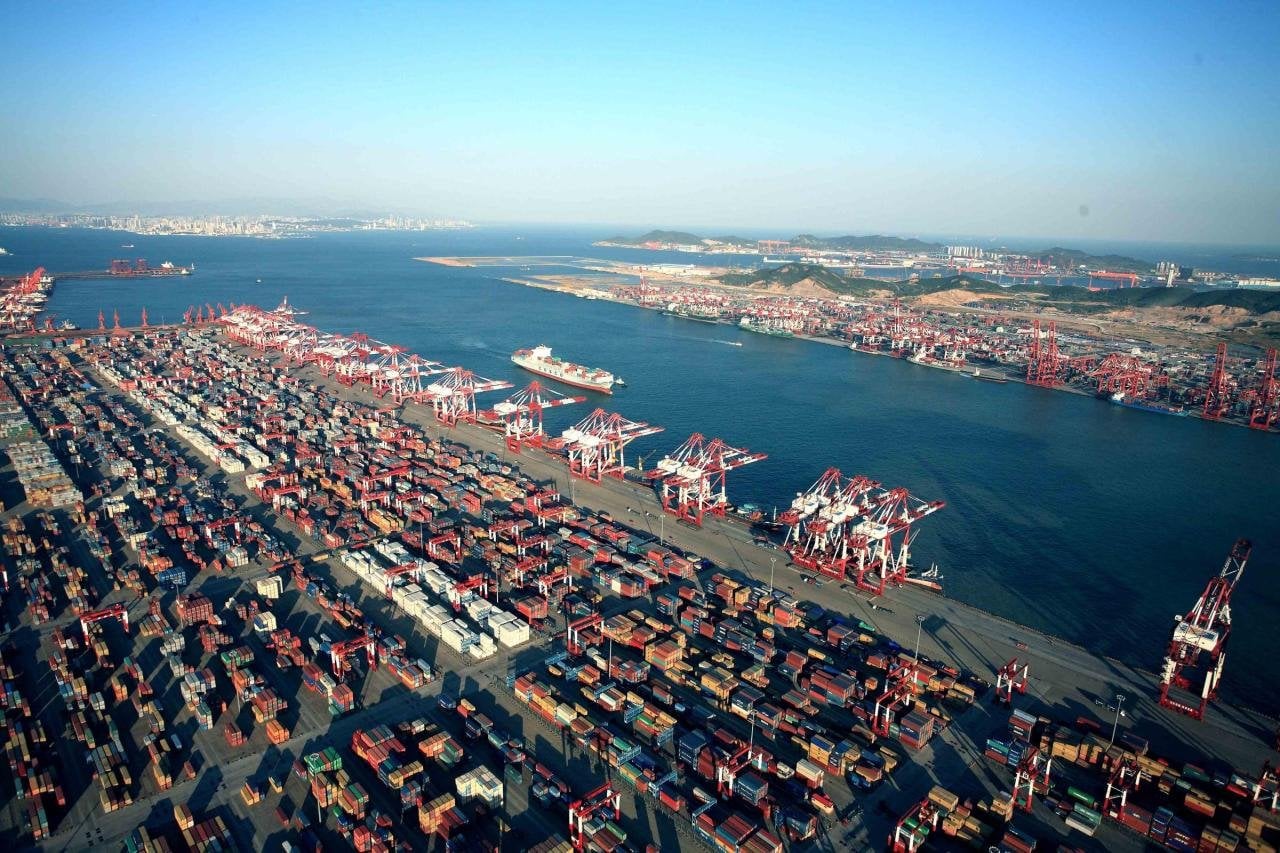
East Coast (for lower inland costs)
| Route | Transit time |
| Shanghai → New York | 30-40 days |
| Shenzhen → Savannah | 32-38 days |
A combination of East Coast and rail logistics is a perfect alternative, as this may be cheaper than West Coast + trucking operations.
Return: USA → China
A less common route, but used for raw materials trading, re-exports, and reversal shipments.
Ocean Freight Costs (What Really Matters)
At a base level, costs fall into familiar ranges:
- LCL shipments generally cost between $80 and $180 per cubic meter
- A 20-foot container typically ranges from $2,000 to $5,500
- A 40-foot container can range from $3,500 to $8,000
However, these numbers are influenced by multiple underlying factors.
Port-to-port FCL shipping China to USA cost
These are examples of the most affordable 20ft container shipping China to USA cost:
| Shanghai → Houston | From $3,300 | Check rates |
| Ningbo → Los Angeles | From $2,400 | Check rates |
| Nantong → Oklahoma City | From $2,900 | Check rates |
| Zhoushan → Long Beach | From $2,700 | Check rates |
| Qingdao → Newark | From $2,400 | Check rates |
| Qingdao → New York | From $3,300 | Check rates |
*Actual rates are valid until April 15, 2026.
Real-time freight rates for shipping from USA to China
These are examples of the affordable 20-foot FCL container shipping USA to China cost:
| Baltimore → Qingdao | From $3,600 | Check rates |
| Norfolk → Yantian | From $3,100 | Check rates |
| Norfolk → Shekou | From $2,400 | Check rates |
| Savannah → Dalian | From $2,400 | Check rates |
| Long Beach → Shanghai | From $400 | Check rates |
| Los Angeles → Ningbo | From $400 | Check rates |
*Actual rates are valid until April 15, 2026.
Seasonality plays a major role. Demand spikes in the months leading up to peak retail periods, especially from late summer through autumn.
Port congestion is yet another important factor. When ports like Los Angeles and Long Beach experience congestion, it causes delays throughout the logistics chain, resulting in longer delivery times and higher indirect costs.
Another key problem area involves container availability. When equipment is unevenly distributed globally, carriers adjust pricing accordingly.
Perhaps the most important insight is this: the freight rate itself is only part of the total cost. Charges for handling, documentation, customs clearance, and inland delivery often significantly contribute to the final price.
Documentation details
While logistics is often associated with ships and ports, a large proportion of delays are caused by documentation issues rather than transportation itself.
Every shipment requires a Bill of Lading, a Commercial Invoice, and a Packing List.
This is why experienced shippers increasingly rely on automated shipping document systems to reduce risk and ensure compliance.
Customs & Duties
Importing into the United States requires a clear understanding of customs clearance USA China shipping, because most delays and unexpected costs happen at this stage—not during ocean transit.
The import duty USA from China is calculated based on the product’s classification. Using the correct HS code China import USA is critical: even a small mismatch between the invoice and HS code can trigger inspection or reclassification with higher duties. In practice, many shipments are delayed simply because product descriptions are too generic (e.g., “parts” instead of a specific item).
If you’re wondering how much import tax from China to USA, the answer depends on:
- HS code (duty rate)
- additional tariffs (including Section 301)
- declared customs value
The customs clearance process USA shipping typically includes document review, possible inspection, and duty payment before release. Most issues arise when documents don’t match across the Bill of Lading, invoice, and packing list.
The most common reasons for cargo delays at customs:
- incorrect HS code
- undervaluation of goods
- missing or inconsistent documents
- products require additional certificates (FDA, FCC, etc.)
How to avoid customs delays USA in practice?
- Describe products accurately, avoiding generic language
- Confirm HS codes before sending goods
- Ensure that all documentation is accurate (value, weight, quantity)
- Compliance for controlled products will be ready
The principles remain the same for exporters shipping their products from the USA to China, although the regulations and documentation vary.
Incoterms insights
In Incoterms shipping China USA, the choice of terms directly affects cost control, risk, and who manages each stage of the shipment. Many importers compare FOB vs EXW vs DDP, but in practice, the difference is operational: under EXW, the buyer handles everything from factory pickup (often leading to hidden local charges in China), while what is FOB China shipping usually means the supplier delivers cargo cleared for export to the port—making it the most balanced and commonly used option.
For those asking about the best incoterm for importing from China, FOB is typically preferred for visibility and control over freight. Although DDP shipping from China to the USA refers to door-to-door shipping with all duties paid, which sounds straightforward, it may be accompanied by markups for logistics and customs fees. Selecting an incorrect Incoterm can result in either paying more or losing control of your order.
Step-by-Step: Sea Freight China ↔ USA
Step 1: Start with Rate Calculation
The process usually starts with a cost estimate. It is necessary to calculate the total freight cost involved in transporting goods from China to the USA, particularly in relation to the cost variations based on shipment volumes, before the process of cargo transportation commences.
Step 2: Optimize Cargo Before Booking
Prior to anything else, it is vital to optimize the cargo. Using the Load Calculator will help decide if the consignment will go as LCL or FCL.
It may appear to be a perfect choice for consolidating cargo in shared containers, but such consignments can end up becoming too costly in terms of handling and consolidation.
Step 3: Choose the Right Route and Port
Choosing a route is not just about distance. The main China to USA shipping routes vary depending on speed, cost, and final delivery location.
West Coast ports are typically faster, while East Coast routes may offer better inland logistics depending on where the cargo is going. In practice, the best option depends on your supply chain setup rather than just transit time.
Step 4: Check Transit Time Realistically
Transit time is often underestimated. While ocean transit may take a few weeks, the full delivery timeline includes handling, customs, and inland transport. See the real shipping time for China to USA sea shipments and track cargo to avoid inventory gaps and missed deadlines.
Step 5: Prepare Shipping Documents
Documentation management is necessary for ensuring hassle-free delivery. The standard shipping documents from China to the US consist of the Bill of Lading, Commercial Invoice, and Packing List.
The majority of problems arise from differences in the documentation and not due to any problems with the actual shipping process.
Step 6: Manage Customs and Import Requirements
Before the unloading of cargo, it is necessary that it passes the customs clearance procedure. This process involves adequate preparation of customs documentation related to USA imports and proper classification of imported cargo.
Failure to do so may result in inspection or delay of cargo shipment.
Step 7: Book Shipment and Coordinate Delivery
After the completion of all processes, booking a shipment with a carrier takes place to complete the shipment process. This way, proper booking management and planning of finances and shipment processes allow you to avoid shipping problems or supply chain issues in China USA beforehand.
Step 8: Track Sustainability and CO₂ (Optional)
You can also ensure sustainability and estimate CO2 emissions from shipping China to USA to find out the overall ocean freight carbon footprint of your supplies.
This is becoming increasingly relevant for businesses optimizing their sustainable shipping China USA strategies and ESG reporting.
Find a perfect trade route between the USA and China
Our team is constantly improving IT tools for shipping and logistics services to make delivering to new destinations around the world a simple task for you.
Conquer new markets and expand your services with SeaRates, which guarantees you the most convenient route at the best price.
You can always contact us at [email protected] for assistance with your logistics needs.