
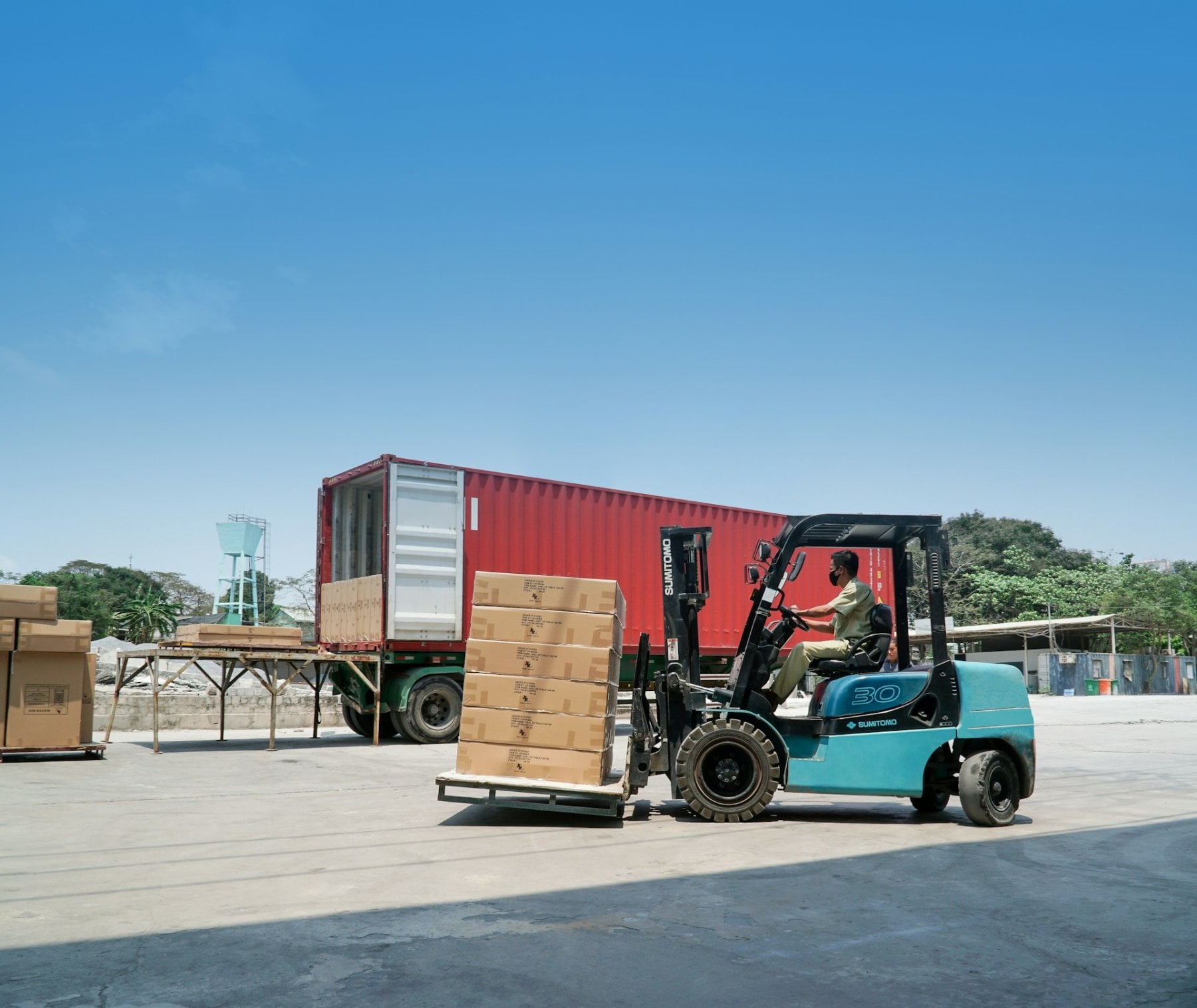
Cargo handling in large-scale Australian logistics hubs is built around throughput, precision, and coordination between multiple transport modes.
These hubs, often connected to ports, rail terminals, and distribution centers, are designed to process high cargo volumes with minimal delay.
Australia’s logistics environment adds specific constraints. Long transport distances, export-heavy industries, and port-based operations mean cargo handling systems must be optimized for both bulk movement and containerized freight.
Flow of Cargo Through a Logistics Hub
Cargo handling begins before goods physically arrive at a facility. Scheduling, tracking, and allocation systems determine how freight will move through the hub.
Arrival and Staging
Cargo enters the system via:
- Road freight (trucks and trailers)
- Rail freight
- Maritime containers
Once on site, goods are staged in designated zones. This initial positioning determines how efficiently the rest of the process unfolds.
Sorting and Allocation
Cargo is categorized based on destination, type, and handling requirements.
Bulk goods, palletized freight, and containers are separated into different workflows. This allows specialized equipment and teams to handle each category efficiently.
Storage and Dispatch
Short-term storage areas are used to buffer incoming and outgoing freight.
High-turnover goods may remain in the system for only a few hours, while others are stored longer depending on scheduling and demand.
Equipment Used in High-Volume Cargo Handling
In large Australian logistics hubs, equipment selection is directly tied to cargo scale and type. Machines are not interchangeable. Each one is optimized for a specific function.
Forklifts
Forklifts are the most widely used machines in logistics hubs.
They are primarily used for:
- Loading and unloading trucks
- Moving palletized goods within warehouses
- Positioning cargo in storage areas
Forklifts are essential for short-distance material handling and operate efficiently in controlled environments such as warehouses and loading docks.
In high-volume Australian operations, companies rely on both sales and rental providers, with All Lift Forklifts being a well-known local example. These providers supply, maintain, and manage fleets tailored to local conditions, ensuring forklifts remain operational across demanding schedules and varied load types.
Reach Stackers
Reach stackers are designed for container handling.
They are used to:
- Lift and stack shipping containers
- Move containers within yards
- Access containers stored multiple rows deep
Unlike forklifts, reach stackers use a telescopic boom, allowing them to stack containers several rows deep and handle significantly heavier loads.
In Australian logistics hubs, reach stackers are critical for port and intermodal operations where container density is high.
Top Loaders and Container Handlers
Top loaders are used for high-density container stacking.
They operate in areas where containers need to be stacked vertically in tight spaces. These machines prioritize lifting capacity over reach, making them suitable for bulk container yards.
Modern container handlers are equipped with advanced control systems to improve precision and reduce handling time.
Distribution Tractors
Distribution tractors, sometimes referred to as terminal tractors, are used to move trailers within logistics hubs.
They connect different parts of the operation:
- Moving trailers from loading docks to storage areas
- Positioning containers for loading
- Supporting high-frequency movement within confined spaces
These vehicles are essential for maintaining flow between different handling zones.
Warehouse and Yard Coordination
Cargo handling is not just about moving goods. It is about coordinating movement across multiple zones.
Dock Operations
Loading docks are transition points between storage and transport.
Forklifts and pallet jacks operate continuously in these areas, ensuring that goods move quickly between trucks and warehouse space.
Yard Management Systems
Yard management systems track the location of containers and trailers.
These systems reduce search time and improve efficiency by directing equipment operators to the correct locations.
Cross-Docking
In high-volume hubs, cross-docking is commonly used.
Goods are transferred directly from inbound to outbound transport with minimal storage time. This reduces handling steps and speeds up delivery.
Handling Different Cargo Types
Not all cargo is handled the same way.
Containerized Freight
Containerized cargo is the most standardized form.
It moves through the system using reach stackers and container handlers, allowing for efficient stacking and transport.
Palletized Goods
Palletized goods are handled primarily with forklifts. This includes retail products, packaged goods, and general freight.
Bulk Cargo
Bulk materials, such as agricultural exports or raw materials, require specialized handling systems.
These may include conveyors, cranes, or dedicated loading equipment, depending on the type of cargo.
Safety and Compliance in Operations
Safety is a critical component of cargo handling.
Equipment Operation Standards
Operators must be trained and certified to handle machinery. Proper operation reduces the risk of accidents and ensures compliance with Australian workplace regulations.
Load Management
Incorrectly balanced or secured loads can cause damage or safety incidents. Equipment is used to position and stabilize cargo during handling and transport.
Environmental Considerations
Modern logistics hubs are increasingly adopting electric and low-emission equipment. This includes electric forklifts and energy-efficient systems designed to reduce environmental impact.
Throughput and Efficiency Metrics
Large-scale logistics hubs measure performance through throughput.
Turnaround Time
The time it takes to unload, process, and reload cargo is a key metric. Faster turnaround times increase capacity without expanding infrastructure.
Equipment Utilization
Maximizing the use of equipment reduces costs. Idle machinery represents inefficiency, so operations are designed to keep equipment in constant use.
Accuracy and Tracking
Tracking systems ensure that cargo is correctly routed and delivered. Errors in handling can disrupt the entire supply chain.
Where Operations Become Complex
As scale increases, complexity grows.
Multi-Modal Coordination
Cargo often moves between ship, rail, and road within the same facility. Coordinating these transitions requires precise timing and communication.
Peak Demand Periods
Seasonal demand, particularly in export industries, can increase cargo volume significantly. Hubs must scale operations without compromising efficiency.
Maintenance and Downtime
Equipment reliability is critical. Unplanned downtime can disrupt workflows and create bottlenecks.
Closing Perspective
Cargo handling in large-scale Australian logistics hubs is defined by specialization and coordination.
Each piece of equipment, from forklifts to reach stackers, serves a specific function within a broader system. Operations are structured to minimize delays, reduce handling steps, and maintain consistent throughput.
The result is a system where efficiency is not achieved through a single process, but through the integration of multiple processes working in sequence.
Understanding how these elements interact provides a clear view of how large-scale logistics operations function in Australia.
Explore more opportunities with SeaRates by [contacting us] according to your interest category