
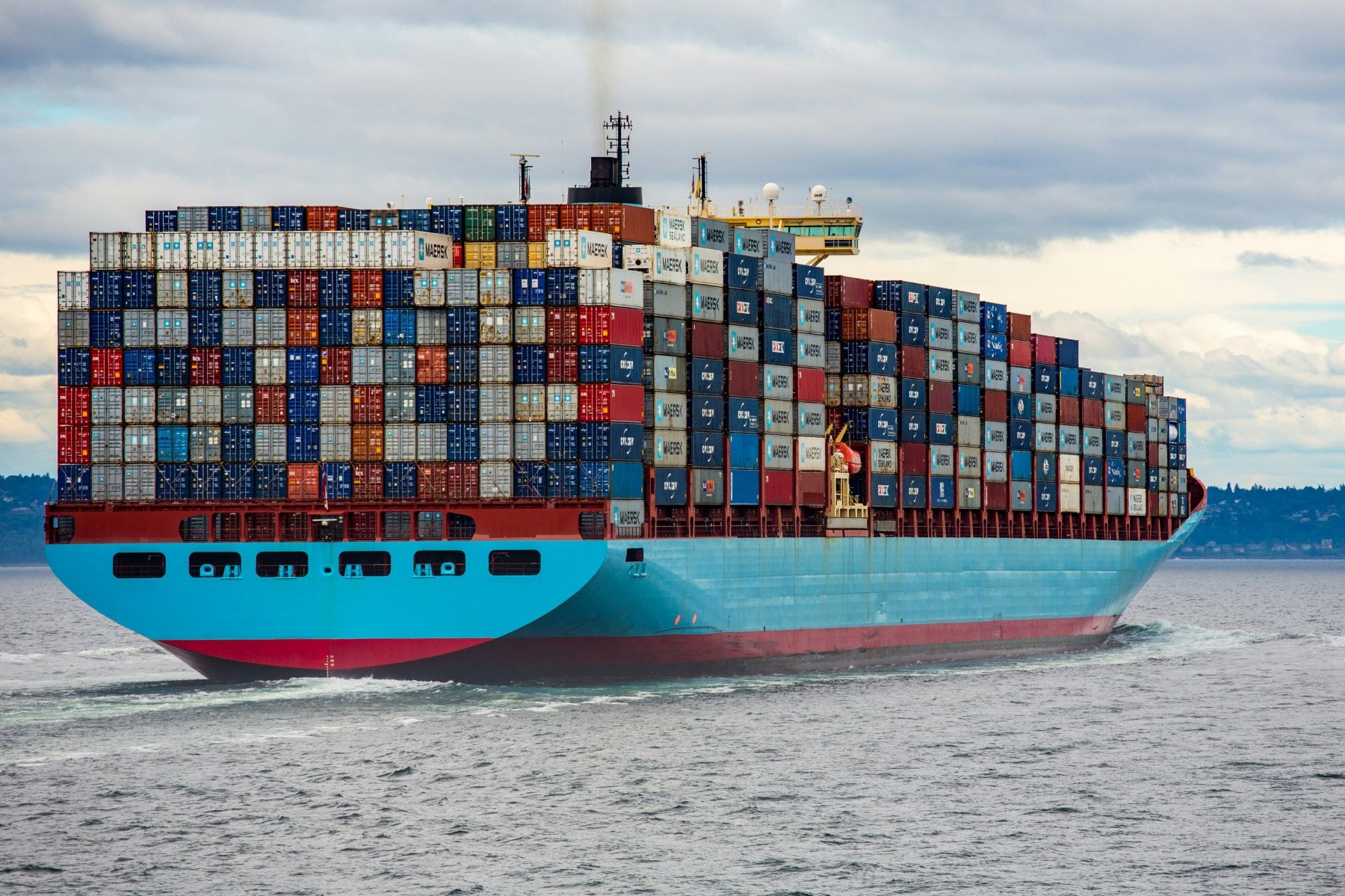
The process of shipping from China to USA has become an integral part of global trade. As businesses increasingly rely on Chinese manufacturers for a wide array of products, it’s essential to understand the most effective and cost-efficient ways to move goods across the Pacific. From electronics to clothing, Chinese exports dominate the US market, but successful shipping requires careful planning and execution. In this guide, we’ll explore the key steps, shipping options, and important considerations that will help logistics businesses streamline their import process.
The Growing Demand for Shipping from China to the US
China’s manufacturing capacity is unmatched, making it a top supplier to countries worldwide, including the United States. With millions of products crossing the ocean every day, businesses are constantly looking for reliable shipping solutions to meet demand. As trade continues to flourish, shipping from China to the US has become not only a vital part of the economy but also a logistical challenge that requires attention to detail. Understanding the nuances of this process can help shippers and carriers optimize their supply chain and ensure timely delivery.
Choosing the Right Shipping Method
When looking to ship products from China to the US, selecting the right method of transportation is crucial to maintaining cost-effectiveness and timely deliveries. There are several options to choose from, depending on factors like shipment size, urgency, and cost.
Sea Freight
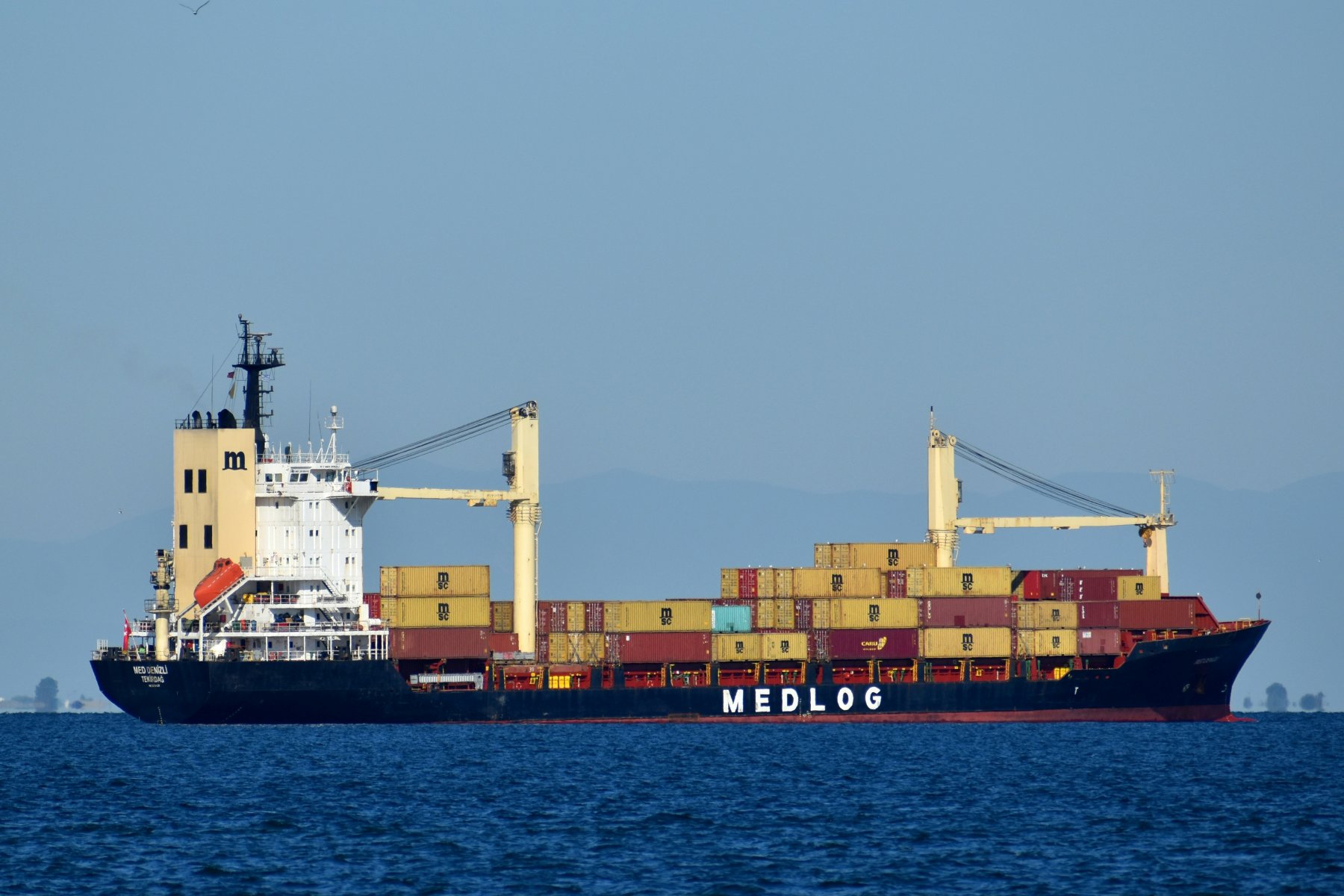
Sea freight is the most widely used method for bulk shipments between China and the US. Although it is slower than air freight, it remains the most economical choice for businesses that need to move large quantities of goods at a lower cost. Depending on the route and type of cargo, sea freight can take anywhere from 20 to 40 days.
Advantages:
- Highly cost-efficient for large shipments
- Ideal for bulky, non-urgent products
- Accessible to nearly every port in the world
Disadvantages:
- Slower delivery times
- Limited flexibility in terms of delivery destinations
Air Freight
Air freight is ideal for time-sensitive shipments that need to reach their destination quickly. While air freight is far more expensive than sea freight, it offers fast delivery times, often ranging from 3 to 5 days, making it the best choice for high-value or perishable goods. However, due to the space limitations of air cargo, it is better suited for lighter, smaller items.
Advantages:
- Fast delivery (3 to 5 days)
- Suitable for high-value, delicate products
Disadvantages:
- High cost per unit
- Not suitable for large or heavy shipments

Rail and Truck Freight
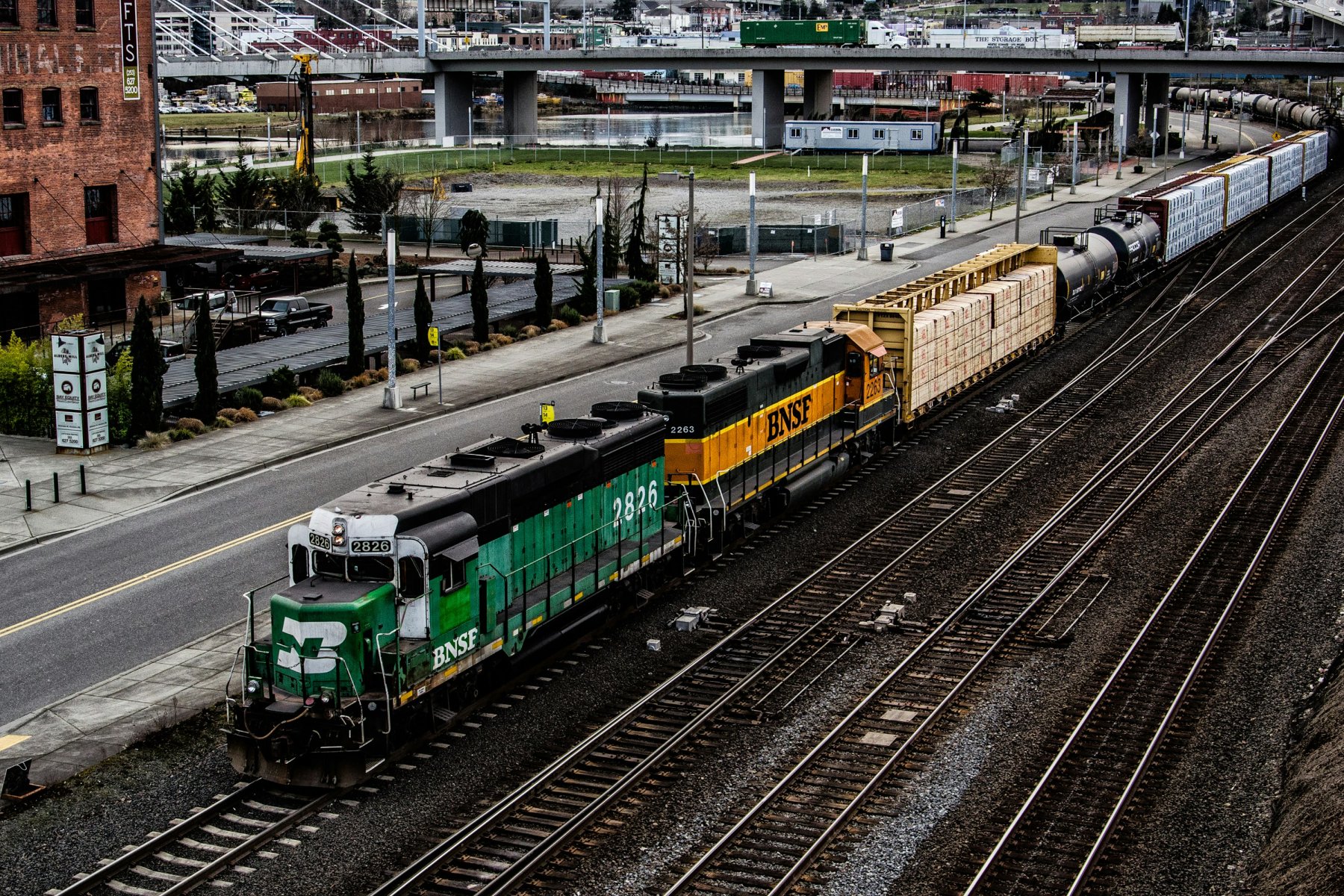
Rail and trucking services complement sea and air freight, especially for shipments that require land transportation within China or the US. Rail is becoming increasingly popular for overland routes, while trucking provides flexibility for smaller loads.
Advantages:
- Cost-effective for medium-sized shipments
- Access to a wide range of regions for final deliveries
Disadvantages:
- Slower than air freight
- Limited by geographic routes
The Role of an International Freight Forwarder
When managing international shipments, working with an experienced international freight forwarder can simplify the entire process. A freight forwarder handles various aspects of shipping, from booking cargo space and choosing the best shipping methods to managing customs clearance. Their expertise in logistics ensures that your shipments comply with all international regulations, reducing the chances of delays and additional costs.
A trusted freight forwarder can also offer guidance on the most efficient routes, help with the documentation, and provide tracking updates. Given the complexities of international trade, collaborating with a professional freight forwarder can significantly improve the efficiency of your shipping operations.
Key Factors to Consider for Shipping from China to the US
Several factors come into play when planning to ship goods from China to the US. Businesses need to be mindful of the following considerations to ensure smooth and timely deliveries:
- Customs Clearance: Navigating US customs can be complex. Work with your freight forwarder to ensure that all necessary paperwork, including invoices and certificates of origin, is in order.
- Tariffs and Duties: The US imposes tariffs and duties on many products from China. These additional costs can affect your overall shipping budget, so it’s crucial to factor them into your pricing model.
- Packaging and Labeling: Proper packaging is essential to prevent damage during long-distance shipping. Additionally, goods must be correctly labeled to meet US regulations and customs requirements.
- Insurance: Shipping insurance is highly recommended to protect your goods against potential loss, damage, or theft during transit.
- Tracking and Monitoring: Using tracking systems allows you to monitor the status of your shipment in real-time, ensuring you’re aware of any delays or issues during the journey.
Conclusion
Shipping from China to the US involves careful planning, strategic decision-making, and a thorough understanding of various shipping options. Whether you opt for sea freight for large shipments or air freight for time-sensitive deliveries, the key to successful shipping lies in choosing the right method for your specific needs. Moreover, partnering with an experienced international freight forwarder can help navigate the complexities of customs, tariffs, and logistics, ensuring that your shipments are delivered on time and within budget.