
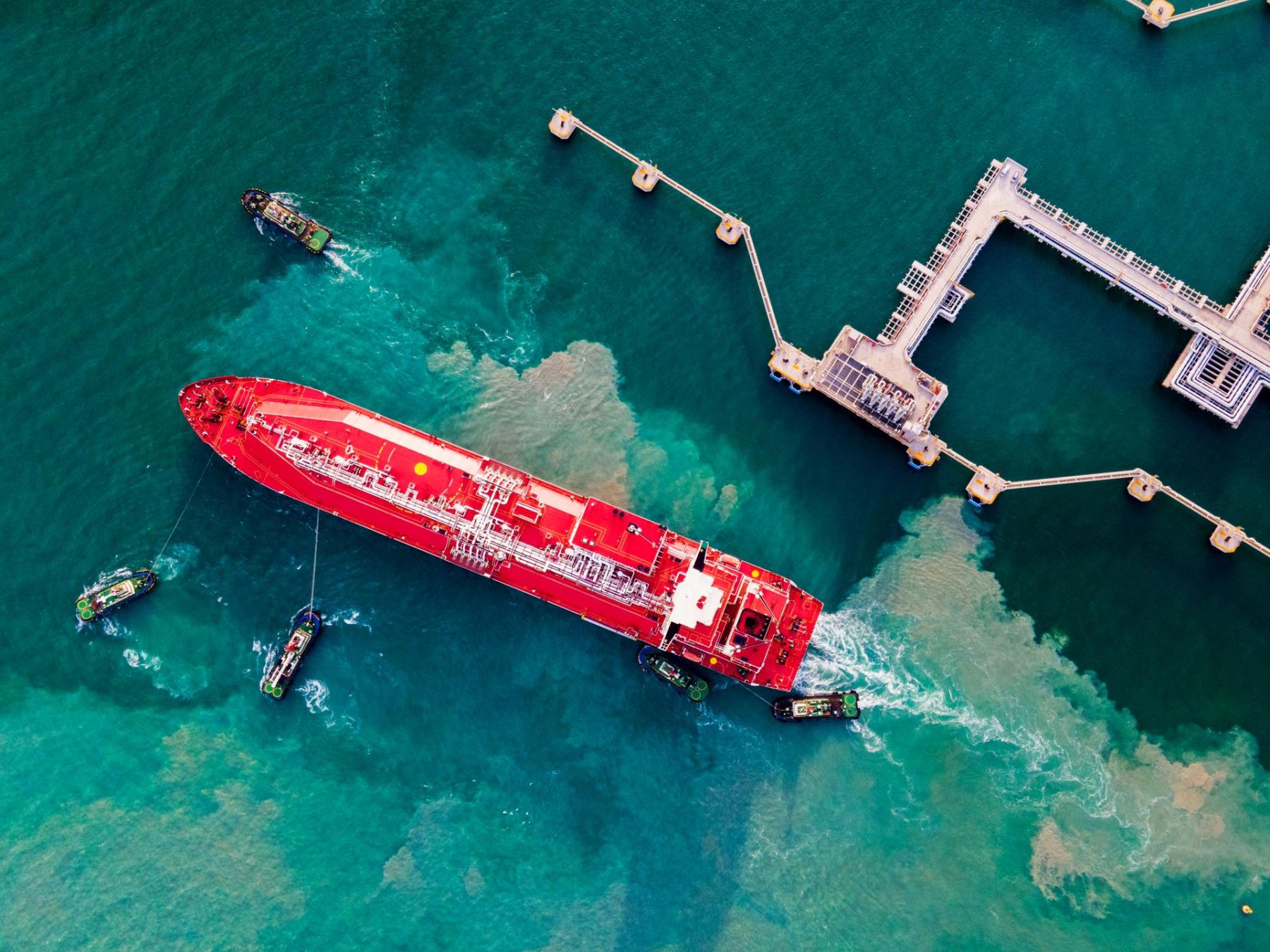
It starts with a package.
You’re booking an overseas shipment, which is nothing out of the ordinary. You enter your name, contact number, maybe even a personal email. A few clicks later, your cargo’s on its way. But what you might not realize is that your personal details just started a journey of their own. One that might end up somewhere you didn’t sign up for.
In the world of global logistics, it’s not just goods that get passed from one place to another. Personal data, meaning your data, is constantly moving too. And if it's not handled properly, it can slip into the wrong hands. This is where things start to get murky.
More and more people are waking up to the fact that their shipment-related info ends up in places it shouldn't. Think random marketing databases, people-search websites, or shady data broker platforms. That’s why many are turning to services that help remove personal information from internet, especially when that info was shared on a shipping form and never meant to stick around online.
Logistics Is About Movement—But So Is Data
Let’s be real—logistics runs on information. Every package, pallet, or container needs to be tagged, tracked, and verified. From freight booking apps to customs forms, there are dozens of digital touchpoints where personal info gets logged. That’s not the problem.
The problem is what happens after.
Say you use a shipping platform to move goods from one country to another. That platform might pass your data on to third-party carriers, customs agents, warehouse operators, and more. Somewhere in that long digital paper trail, your name, email, and phone number can end up on a spreadsheet. Maybe it gets uploaded to a cloud folder. Maybe it’s copied to someone’s drive. Maybe it gets scraped by a bot.
Next thing you know? Your inbox is full of junk. Or worse, your details are floating around on people-finder sites. Not a good look.
And this isn’t just a tinfoil-hat theory. A recent WSJ article pointed out just how vulnerable the supply chain industry has become to digital threats, especially when it comes to user data being casually collected and casually forgotten about.
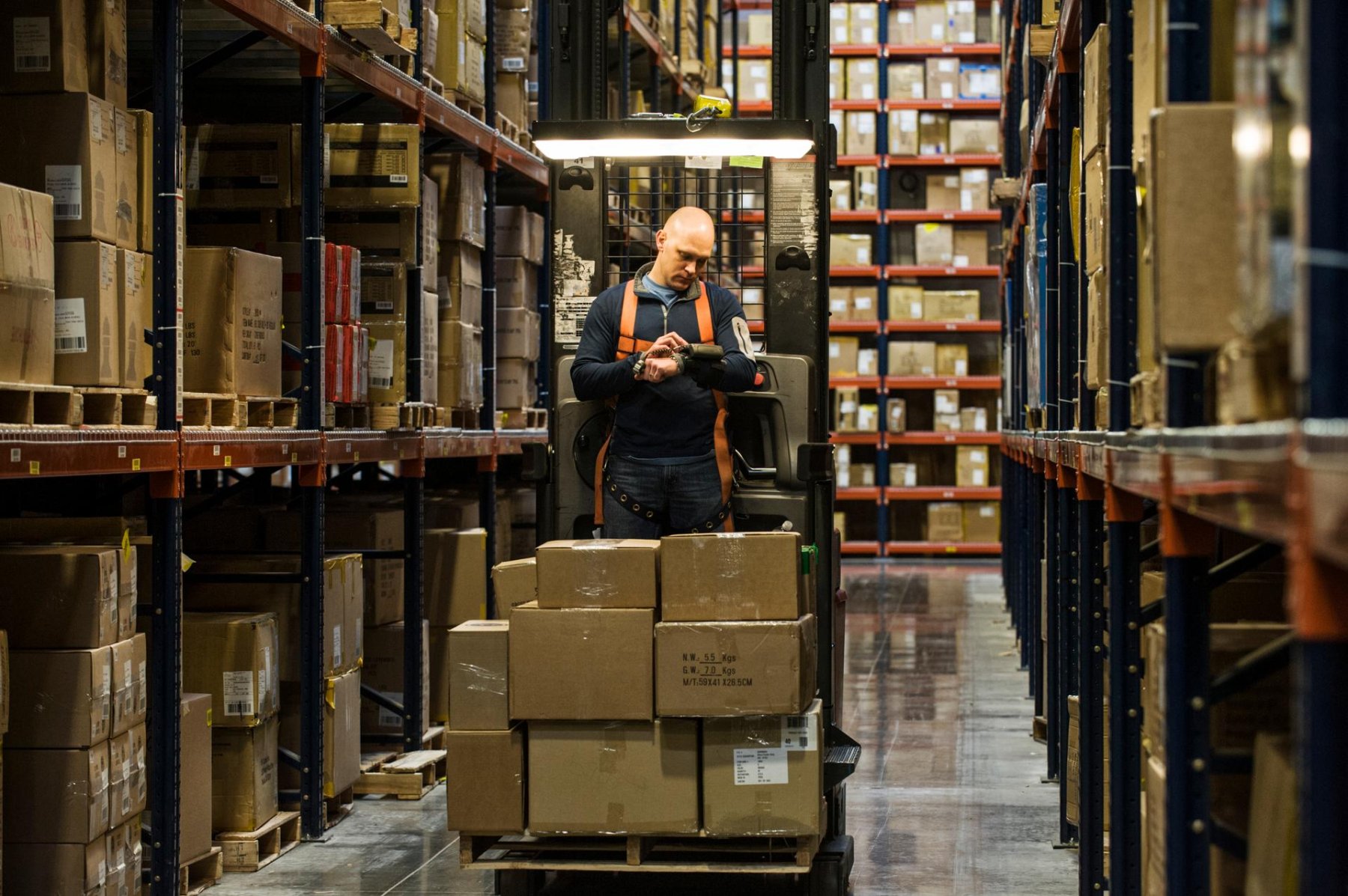
When a Shipping Label Turns Into a Data Trail
Let’s zoom in. You’re a one-time customer using a freight forwarder to ship a few boxes. You fill out the required info. Your shipment moves. Case closed, right?
Wrong.
That info doesn’t vanish. It often lingers in outdated databases, unprotected servers, or shared docs. It might be indexed. It might be sold. It might be sent to someone else entirely. From there, it becomes part of your digital footprint—and not in a good way.
That’s why some people are starting to clean up after themselves. They’re not going full incognito, but they are using tools that can tell data brokers: “Hey, take me off your list.” It’s not about paranoia; instead, it’s about control.
B2C Logistics Is the Quiet Culprit
Here’s where things get sneaky. A lot of people don’t realize that B2C (business-to-consumer) shipping platforms are some of the worst offenders when it comes to over-sharing. Think online stores that integrate freight tracking or delivery scheduling.
You place an order, and suddenly your info is everywhere: retailer, shipping provider, delivery app, maybe even a logistics partner you’ve never heard of. Your name and address live on, sometimes indefinitely. And if any of those platforms are even slightly careless, your personal data can leak into the wild.
That might not matter when it’s an old PO box, but if it’s your real home address and phone number? That’s a whole different story.
It’s Not Just an IT Problem Anymore
Let’s talk law. There are regulations out there, like the GDPR and CCPA, but they only go so far. If your data ends up on a site hosted outside your jurisdiction? Good luck chasing that down. Even in the best-case scenarios, enforcement is slow and patchy.
That’s why the burden often falls on the individual. Tools that send removal requests to data brokers have become a popular option. They don’t stop your data from ever being collected—but they do help wipe it from places it should never have been in the first place.
And no, these tools aren’t security software or corporate firewalls. They’re designed for everyday people—shipping customers, eCommerce users, even casual freight clients who just want their contact info off a sketchy site.
Your Package Arrived—But So Did the Consequences
We don’t think twice about sharing our info to get something shipped. But what happens when that info gets shipped with the package? What happens when it ends up in the hands of marketers, bots, or random aggregators who think your email is fair game?
The answer isn’t to panic or unplug; it’s to be proactive. Understand where your data goes. Keep an eye on who holds it. And if needed, take a little control back by asking data brokers to wipe the slate clean. It’s your right.
Because in today’s digital freight world, keeping your shipment on track is just part of the equation. Keeping your identity from going off the rails? That’s the part no one told you about.
Explore more opportunities with SeaRates by [contacting us] respectively to your interest category