

The tariff war in the first half of 2025 could have been a logistical nightmare for an unprepared supply planner. The difficulties of the current turbulent market involve the next wave of supply chain difficulties. At present, the global economy is expected to struggle for port capacities, as well as to find a balance between demand and production. Panic has led to a sharp consumer demand that exhausts the remaining transportation capacity, as well as imbalanced production — shutdown or excessive manufacturing.
Let's take a deeper look and discover tips on how to stay out of trouble.
Overview: Behind the trade crisis
Below are the key moments of the tariff war that have caused chaos for supply planners and shippers in previous months:
🔜Average tariff rate shift — 2.5% in 2024 ➝ 16.5% by April 2025. Summer 2025 is expected to reach 24% (the highest rate since pre-WWII protectionist tariff policy)
Arrange actions
⚡️25 Tariff announcements in 102 days — Every 3.6 days, January-April (excluding follow-ups & modifications)
‼️Chaotic week: 5 New tariffs just in 7 days — March 4-10
🔄 Fastest policy change: 12 hours — Tariffs for 57 countries were paused the same day they were announced (April 9)
⛔️13 out of 25 tariffs reversed or paused — More than 50% of tariff waves changed course after implementation
📈 12 out of 25 tariffs fully implemented
Global market feedback
🌏57 countries retaliatory measures — Zero days without retaliation and letting tariffs unanswered
📦Affected more than 57,000 cargo categories — influence on production and trade relations with the main importers and around the world
📉 Only 48 hours to lose $6.6 trillion — Stock dip due to the universal 10% tariff announcement on April 5
New records set
🚨The highest tariff rate since the 1930s: 125% — China imposed unprecedented import duties in April
⏱️Shortest implementation time — Tariffs on Chinese imports were announced February 1 and took effect on February 4 (implemented just in 3 days)
📆 Longest tariff delays going — Auto parts tariffs still expected in May since the announcement on January 20 (105+ days)
May 2025: What’s happening now and what to expect?
Supply chains cannot keep up with politics. Even if the tariff waves are stopped and annulled, global trade and logistics will not respond immediately with positive changes and recovery.
Average transit times by sea from China to major U.S. ports:
| China → New York | ~ 41 days |
| China → Chicago | ~41 days |
| China → Los Angeles | ~20 days |
| China → Houston | ~42 days |
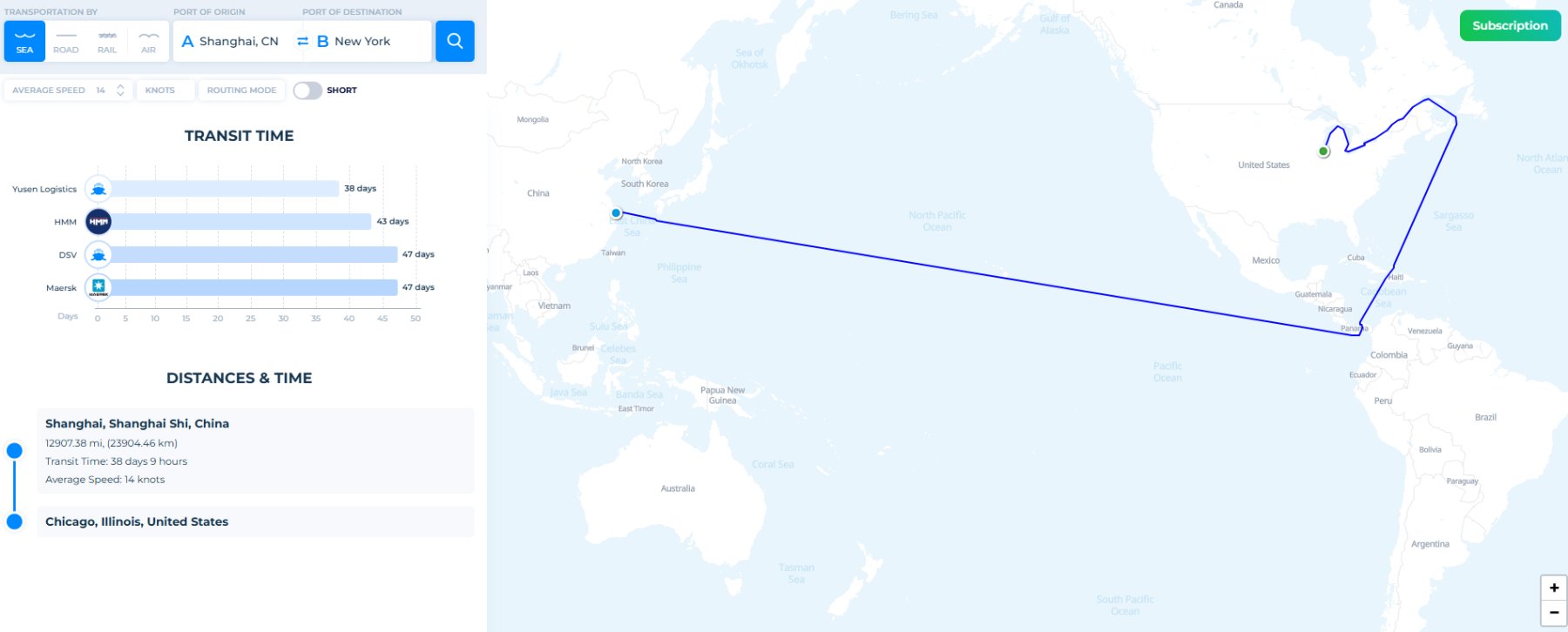
The imposed tariffs will not cause an immediate collapse of global trade. It is only now that the direct effects of the April tariff waves are particularly unfolding. Below are the US regions and predictive times when ports will be hit by delays and prolonged transit the most:
- Los Angeles: Mid-May 2025
- Houston/Chicago: Late May 2025
- New York: Early June 2025
Why is this happening? Tariff shocks are critical precedents. They involve the world in long, viscous processes: production suspensions, supply freezes, rushing by logistics planners, reduced import flows… all of this is not as quick as the announcement or cancellation of the tariff rates.
However, this is not a description of logistics crises but direct reasons. The middle of 2025 is predicted to be a shock for unprepared trade players, as the consequences are only now unfolding: the struggle for space on vessels, critical challenges to inventory management, and port capacity.
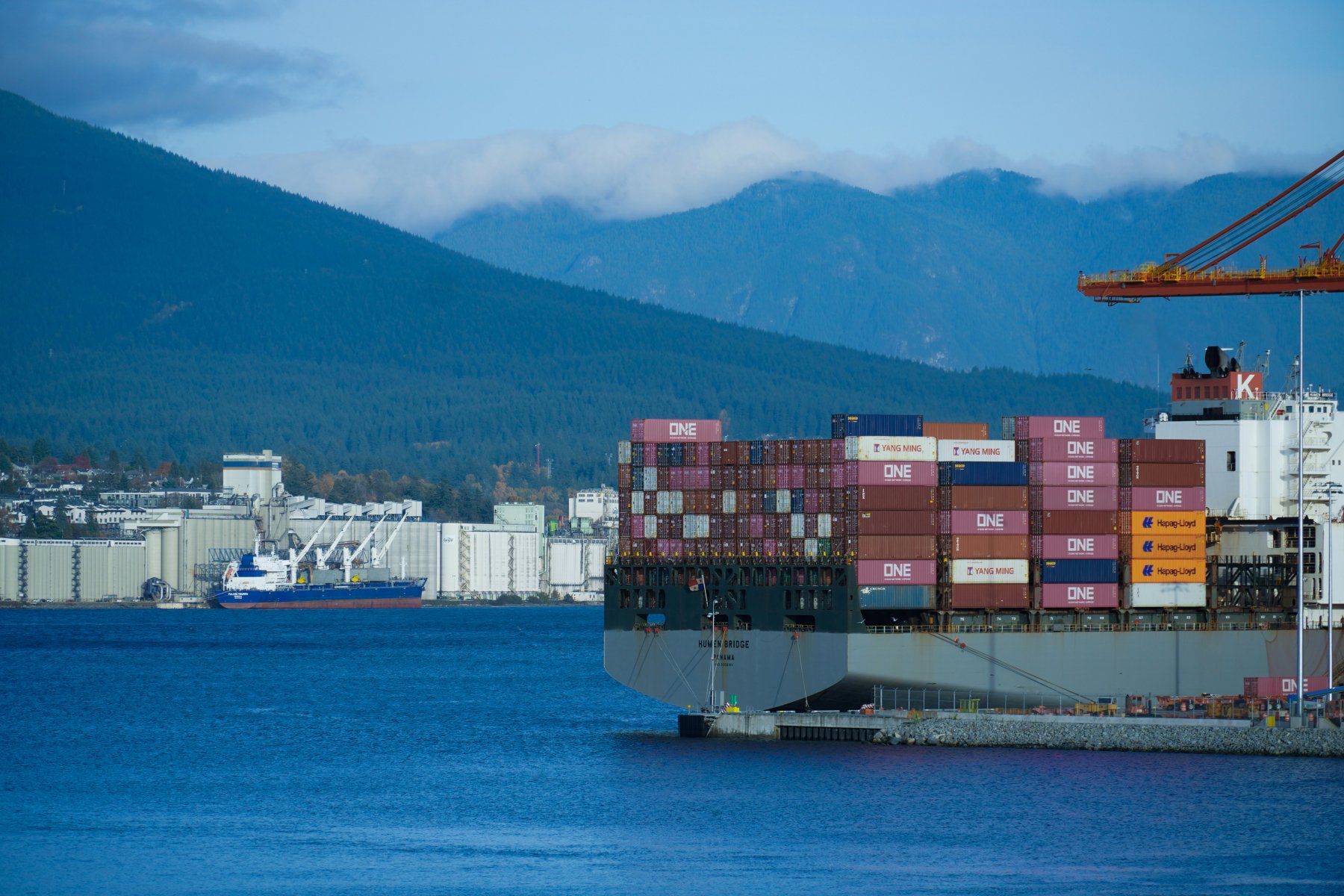
Canceling tariffs is not enough. Why won't supply chains be recovered overnight?
⛔️Factory pauses and shutdowns: Many Chinese suppliers stopped production during the disruption in supply chains. Restarting production, however, entails a substantial amount of time in terms of increasing raw material supplies, scheduling production, and setting up manufacturing lines again, averaging a couple of weeks.
📦 Order backlog chaos: Thousands of open purchase orders to be reviewed and updated daily. Each purchase order needs to be signed off on by suppliers, but delivery dates are no longer valid, which makes it agonizing for all parties to find a new schedule and approve the logistics.
🚢 Space scarcity on ships: With shipping restarting, there will be limited spots featured on vessels. Big companies like Amazon and Walmart usually rush to get the space first, and with that, smaller shippers and carriers are having trouble finding space and, in turn, delaying the delivery of their shipments.
🚫Shortage of empties: Given that transport disruptions have persisted, empty containers have since accumulated in ports. Shipping lines may be rejecting the return of those empty boxes, thereby causing a huge backlog and a logistical bottleneck, thereby greatly complicating the recovery process.
🌏Production and supply sources readjustment: Gradually, companies have been reshuffling their production and distribution schemes. Either they relocated a manufacturing plant or diversified suppliers. To reverse such changes and go back to the former provisionary chain setting takes a long process since such new partnerships, new facilities, and new work flows must be re-established and then put to the test for dependability.
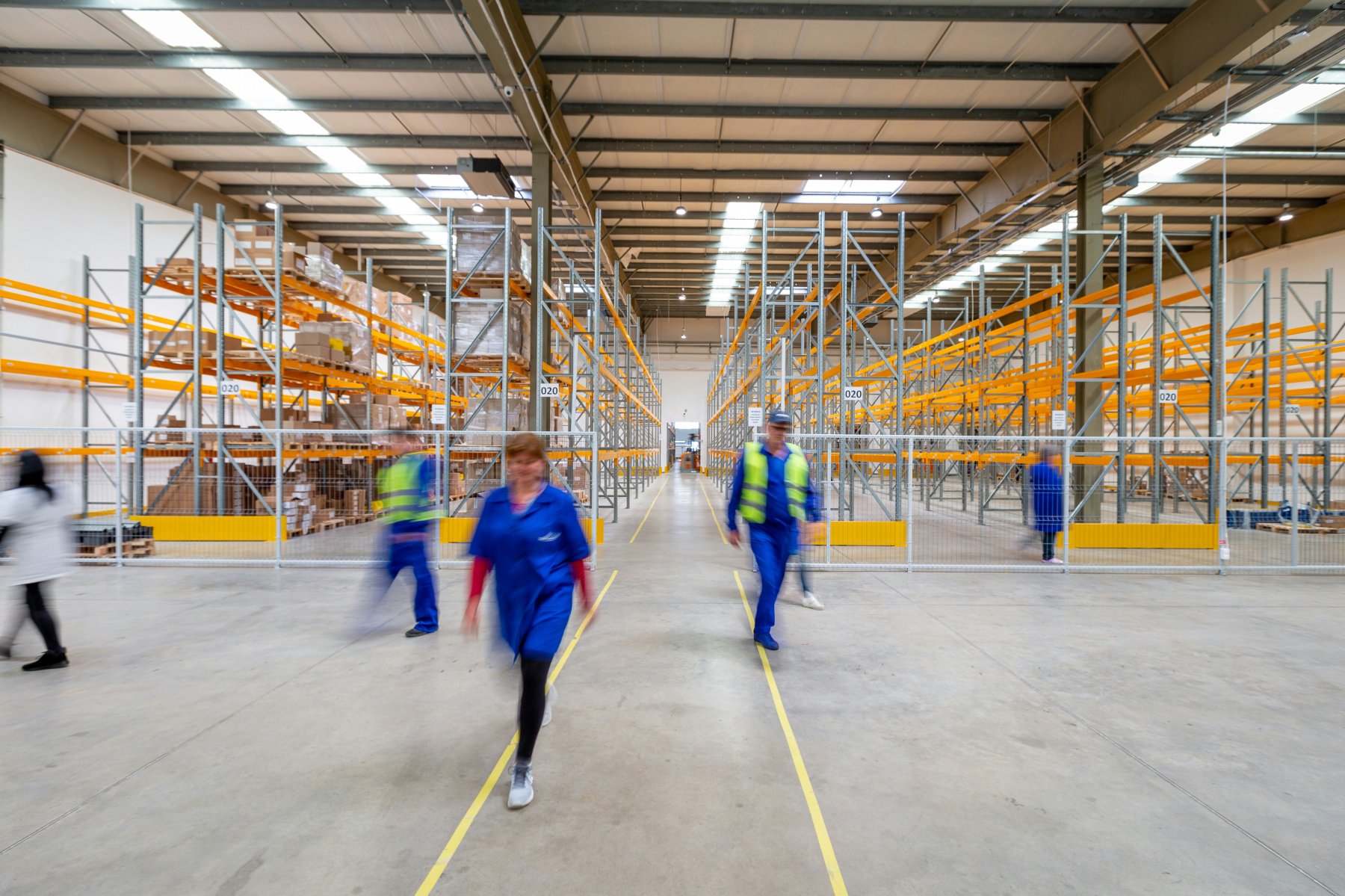
Early red flags: Catch signs of supply chain crisis
- Excessive ordering: U.S. customers are ordering much in anticipation of price increases to sell off the dwindling on-hand inventory at a rate far exceeding that originally expected. When everyone goes out to purchase products on such a prearranged basis, it may result in shortages that create an imbalance between demand and actual consumption.
- Shipment suspension: Many companies are halting shipments to get around the impact of high tariffs, leaving suppliers with no cash flow and putting production on hold. This causes an order backlog, which will take a lot of time and effort to be worked out once shipments resume.
- Higher demand in the post-tariff period: When the tariffs are lowered, the businesses would be in a mad rush to replenish their inventories, creating a sudden upside surge in demand for cargo space, port facilities, and warehouse storage. This sudden high demand could cause an enormous halt in logistics as the companies are racing to stock shelves again.
- Risks of backlog at ports: Just as we saw during the COVID-19 pandemic, we can expect delayed shipments, either on a small or larger scale, to hit the ports all at once. This congestion, coupled with pre-existing staff shortages and logistical bottlenecks, could choke the port system and stir up further disruptions down the supply chain.
- Supplier stockpiling: Suppliers could stockpile or ramp up production in anticipation of a disruption, fearful that they would be caught short. Such overproduction can lead to inventory mismatches, where specific products are overstocked while others are understocked.
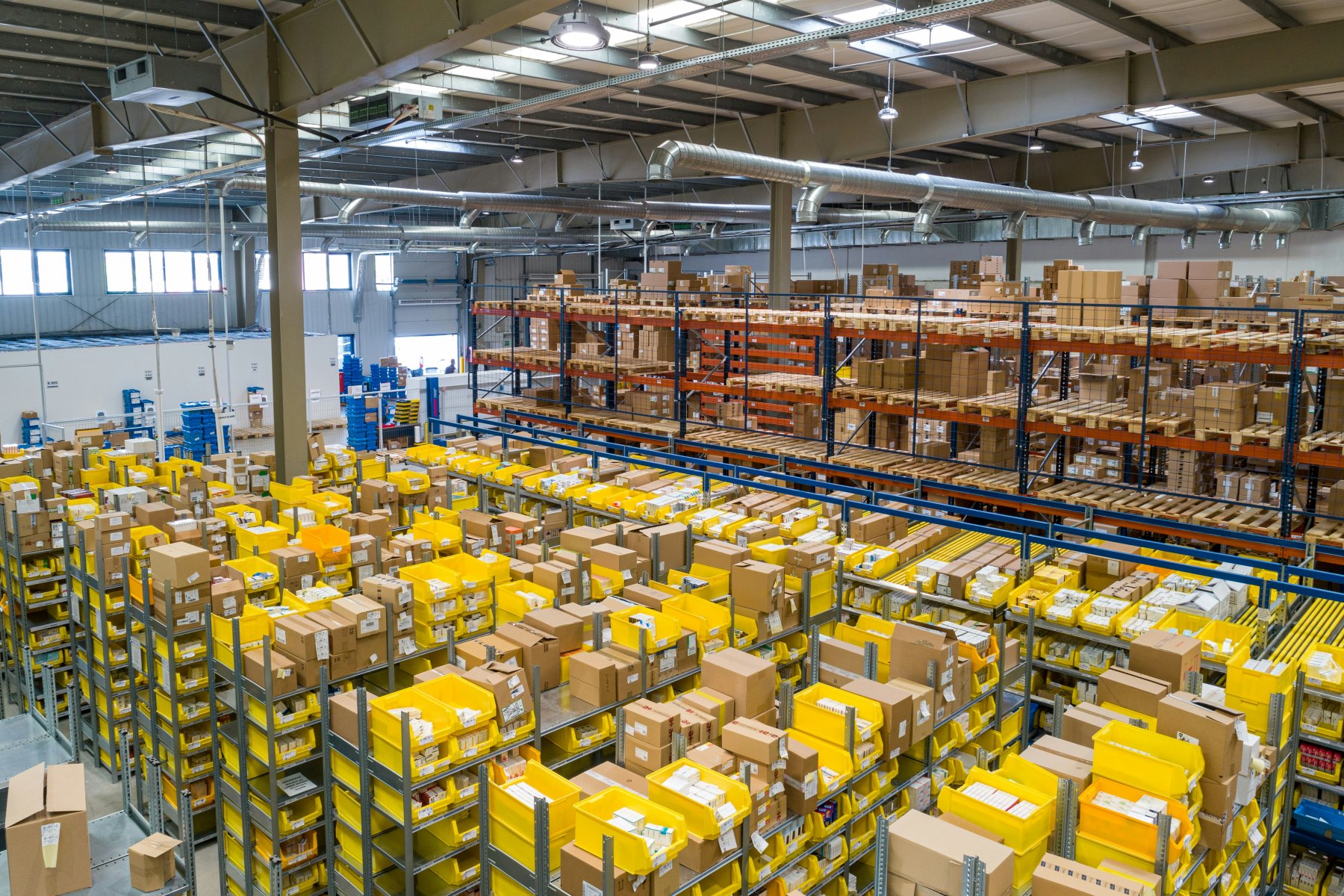
Here is a demonstration of the Bullwhip Effect — a phenomenon wherein slight shifts cause significantly larger changes. In supply chains, this can be seen when small fluctuations in demand (consumer demand) cause much larger fluctuations at the previous levels of the chain (production). Even a small increase or decrease in consumer demand is enough to cause a significant increase or decrease in orders from suppliers and producers. This paradoxically creates both shortages and leftovers of goods.
The main reason for this effect is the supply chain's compensatory behavior to changes in demand. In most cases, this is an overreaction or exaggeration.
As a result, orders between upstream suppliers significantly exceed actual demand. This has led to production and supply disruptions, congestion in warehouses and logistics networks, delivery delays, and additional costs.
Consider for shipping & trading businesses
The next few months promise to be challenging, even if the political climate changes. Smart businesses should already try to mitigate risks and prepare for the potential disruption of a recovery.
⏱️Plan for delay: Assume delays of 30–60 days, whether transportation rates are lowered. The slower you get to preparing for this, the more you will depend on changes in the situation.
🏠Prioritize your inventory: Be stingy, but do not allow the warehouse to become empty. High returns or high essentiality to the business should be given priority. It may never be obvious, but even "slow-moving" items are needed for balance.
🚢 Optimize vessels' capacities: Keep close contact with the carriers to catch information on vessel availability. Remember that being flexible does not only include alternatives in routes or ports but also your own logistics processes. You may need to cooperate with providers less traditional but much more efficient.
🤝Looking for partnerships, not merely contracts: Establish sustainable supplier relationships that will allow you to swiftly adjust to variations in delivery times and volumes. Do not limit yourself to just contracts; an interrelated strategy will give you an edge when the storm starts to gain momentum.
‼️Transparency in your supply chain: Dedicate some time to real-time tracking tools for monitoring your supply chain with predictive analytics. This way, you can react to a change immediately and reduce the time required for making decisions.
Expecting a volatile trade market this summer, it's important to be equipped with tools to respond to risks quickly. Right now, you need to know if there are any delays or changes in your shipment schedule or if everything is going according to the predicted time.
Track shipment extensions: Visibility on any changes
How to get instant alerts about any shipping shifts — route changes, delays, customs events, and others? Manage up to 25 exceptions for your shipments for up-to-the-minute info on your cargo movement. All of it is possible with the Container Tracking by SeaRates:
- Instant tracking by container, BL, and booking number;
- Real-time updates from more than 200 worldwide shipping lines and leasing companies in one tool;
- Details about routes, transit time, Predictive ETA & other logistics events, voyages, and more;
- Forecast potential delays and manage 25 shipment exceptions.
Right now, smart logistics planning is critical.
Find out more about Container Tracking web integration and API connection for proactively executing your logistics
Interested in smooth logistics solutions tailored to your requirements? You’re always welcome to contact the SeaRates team at [email protected]. We are expecting to assist you with your nowadays shipping needs.