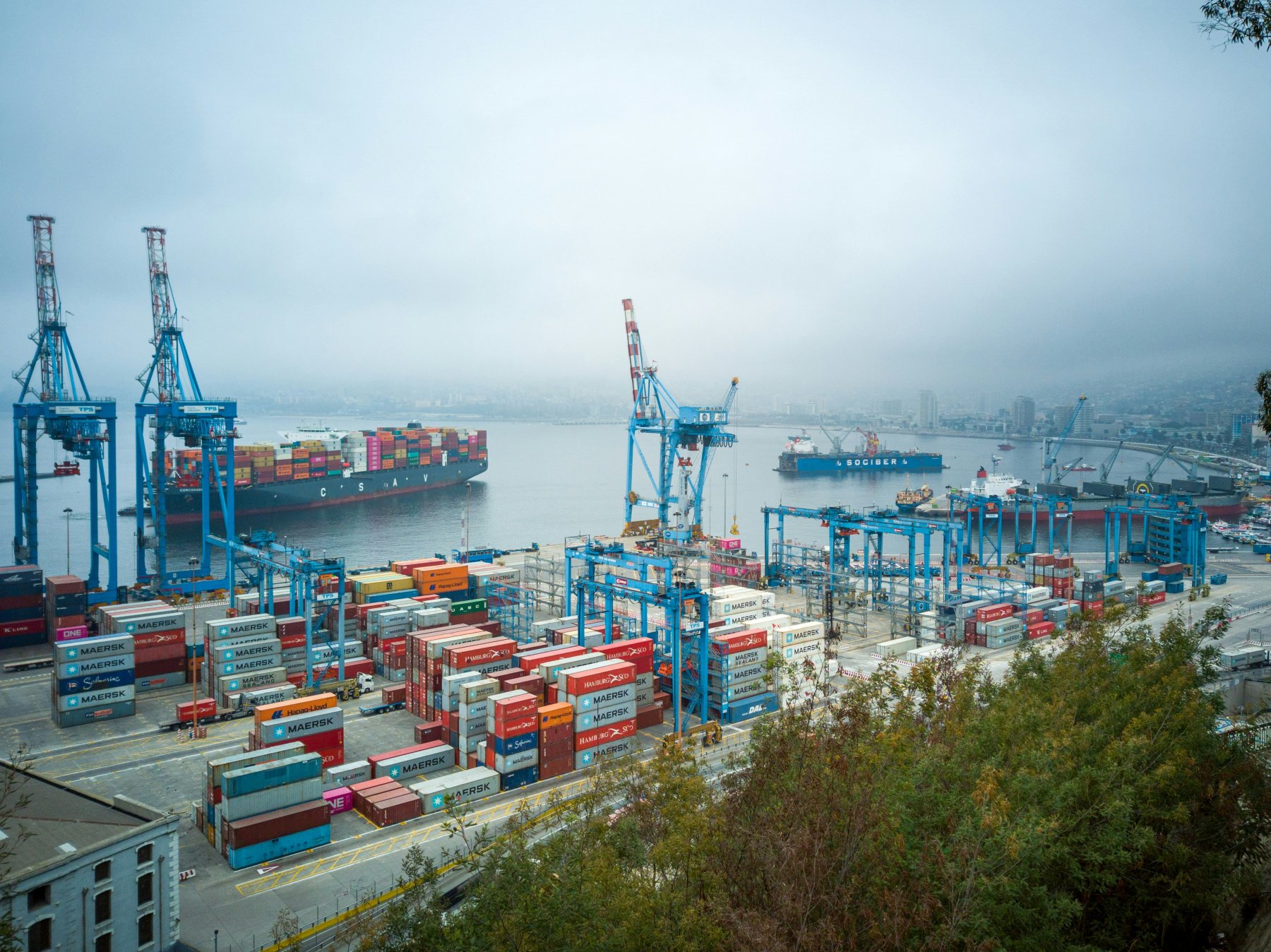
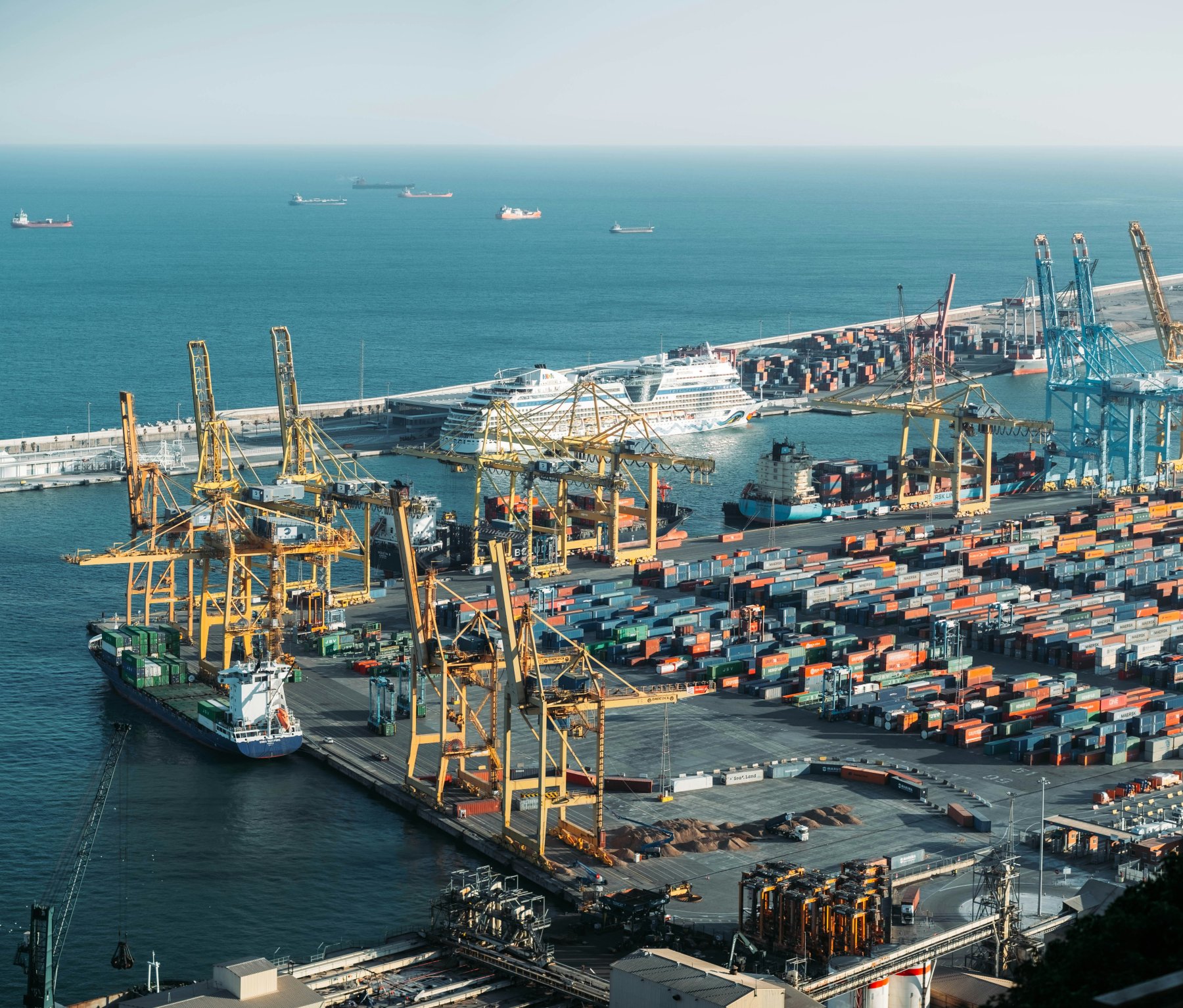
The world's supply chain depends on the sea. There are thousands of vessels that move commodities around continents daily, connecting ports and powering economies. Behind each of these journeys are skilled professionals making the maritime world operate safely and efficiently. Training and compliance form the foundation of this global movement, ensuring that seafarers are equipped to manage risk and respond effectively to challenges at sea.
The foundation of global seafarer safety
Seafarers work in some of the world's toughest conditions. Storms, fires and equipment failure can occur at any time, so being prepared is crucial. Training builds confidence and awareness, allowing crew members to act quickly in a crisis. When every person on board is familiar with his or her role, operations are smoother, safer and more predictable. Having this knowledge base also allows companies to protect assets, reduce incidents and improve efficiency throughout the supply chain.Professionals can also benefit from using SeaRates IT tools that enhance shipment tracking and freight rates visibility.
Why standardized training matters in maritime logistics
International shipping relies on the coordination of crews, ports and logistic chains that stretch across the globe. Standardization of safety training allows professionals from different countries to work together using the same principles. The shared system ensures that safety procedures are known to everyone, reducing confusion in operations. Shipping companies that use standardized training also have better compliance, reduced risks and a reputation for reliability in international logistics.
Global standards through professional training
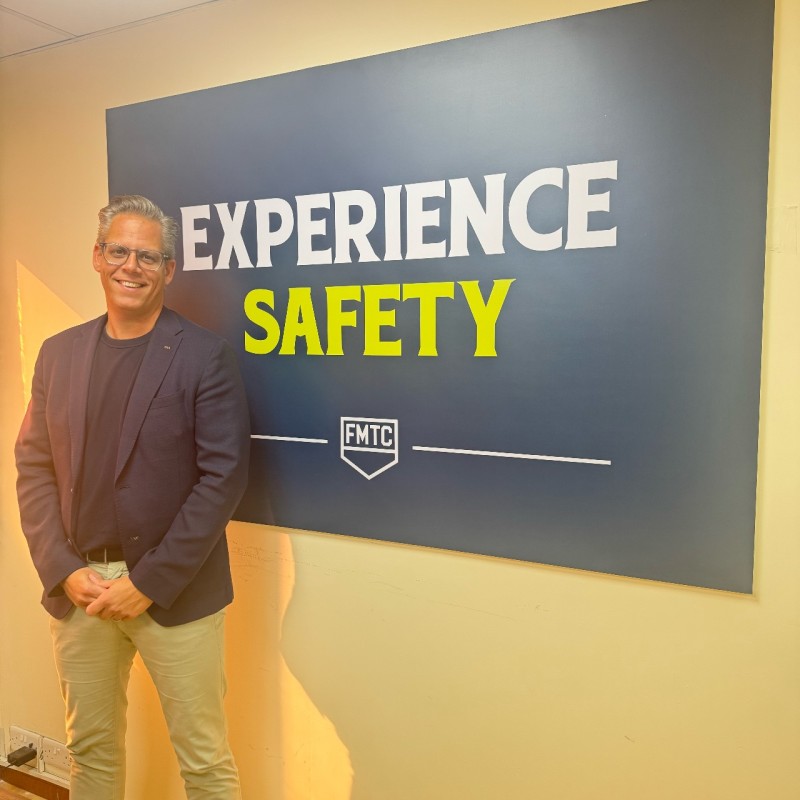
The global shipping community recognizes the necessity for internationally recognized safety programs. Perhaps the finest way to achieve this is through certified STCW courses that set an international standard for maritime industry training and competency. These courses, developed under the Standards of Training, Certification and Watchkeeping regime, provide basic knowledge to seafarers working on all types of ships. According to the International Maritime Organization (IMO), STCW ensures that seafarers worldwide meet consistent safety and competency standards. FMTC Safety provides a range of such certified courses that allow professionals to meet international standards while equipping them better for real situations. With this training, not only do seafarers improve their competencies, but also render logistics operations more secure and efficient.
Key programs that prepare crews for global operations
Comprehensive training in the STCW regime covers all critical areas of safety at sea.Personal Survival Techniques trains seafarers on how to handle survival equipment and lifeboats in emergency situations. Fire Prevention and Firefighting classes on the other hand train crews on how to manage and extinguish fires onboard effectively. Elementary First Aid allows aid to be provided immediately in the event of injury and Personal Safety and Social Responsibilities training aids teamwork and alertness. FMTC Safety also offers specialist ILT programmes for inland and coastal navigation, making career opportunities for maritime professionals available in diverse environments.
Safety as the foundation for reliable logistics
Safe operations guarantee smooth and uninterrupted logistics. Crews trained and certified by a competent authority are better able to prevent accidents that delay shipments or damage cargo. Their ability to keep situations under control in the event of an emergency minimizes disruptions and costs. Companies that invest in training find that safety supports performance directly, allowing them to meet customer expectations every time and build stronger international partnerships.
Adapting to a modern maritime industry
The shipping world is changing rapidly with new technologies and environmental laws. Seafarers must keep up with automation, digital navigation and sustainability requirements. Lifelong learning with certified courses helps professionals remain compliant and confident under changing conditions. FMTC Safety offers flexible learning options, including online theory modules and practical training, which make it easy for crew members to remain current without interfering with their work schedules. This approach maintains the workforce compliant, competent and future-ready for tomorrow's shipping.
How training supports sustainable operations
Safety training also plays a major role in protecting the environment. Shipping accidents can result in pollution and the loss of valuable cargo. Well-trained crews are also more likely to prevent incidents that harm marine ecosystems. By investing in certified training programs, companies not only protect their workers but also uphold environmental and ethical standards that are now demanded by international logistics partners. SeaRates’ blog on sustainable shipping also highlights how technology supports greener logistics worldwide.
Conclusion
Safety and logistics walk hand in hand in the contemporary maritime landscape. Skilled professionals who undergo internationally recognized training help maintain smooth operations across the world’s busiest shipping lanes. Through comprehensive STCW courses, seafarers gain the knowledge and certification needed to perform safely, protect cargo, and support efficient supply chains. FMTC Safety continues to provide accessible, high-quality training that strengthens compliance and promotes safety for maritime and logistics professionals worldwide.
Explore more opportunities with SeaRates by [contacting us] according to your interest category