
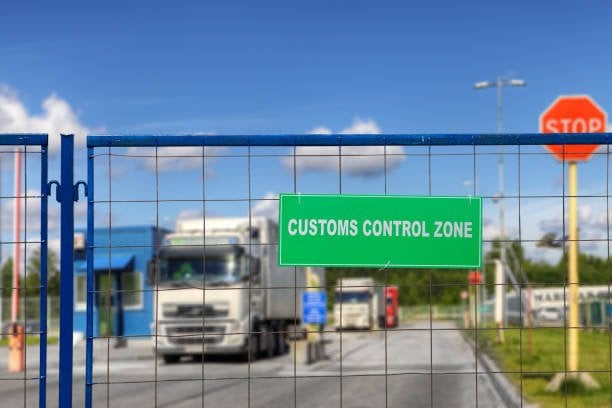
Imports of goods to the United States will become much more challenging in 2025 due to the increased customs tariffs and tightening of customs regulations. This adds to the burden of importers, as changes in customs legislation and inspections of goods lead to unexpected delays and extra costs.
Let’s take a look at the main reasons for customs delays in this article. Keep reading to dive deeply into key challenges that may arise and useful tips to avoid mistakes and minimize risks with customs when importing goods to the United States.
Mistakes to avoid
U.S. CBP uses risk-based targeting systems to inspect shipments before they reach the port. Even if your shipment appears to be routine, certain omissions can lead to an inspection of your goods. Check out the comprehensive list of mistakes:
- Delayed or missed submission of ISF (Importer Security Filing or "10+2"): The document has to be filed at least 24 hours before the cargo loading. Failure to submit on time may incur automatic penalties of up to $5,000.
- No perfect match between BOL and invoice: The name of the consignee, item description, and count in packages have to match for all documents.
- Unclear products’ descriptions: "Goods", "samples", or "merchandise" are vague. For CBP, clear product names and specific descriptions of use are necessary.
- Wrong importer or broker details: The identification numbers (EIN, CBP importer number) are to be matched absolutely for CBP. Errors in this respect could cause delays or complete rejection of the submission.
- Suspiciously undervaluing — incorrect cargo classification: Entering a shipment as a low-value item (e.g., de minimis) when it is required to pay customs duties raises questions, especially for frequent importers or higher-value shipments. Do not declare high-quality electronic devices with a value of $100, which is a common practice of suspiciously undervaluing.
- Wrong HTS classification: Imposing an incorrect HTS code (intentionally or not) will trigger an audit, especially if duty rates are affected or regulatory checks circumvented.
- Repeated violations concerning EIN or importer ID: In case the said importer account is found with a prior record of violations or seizures, the scrutiny in this case by CBP becomes automatic.
- Not monitoring compliance updates: Customs laws change and are subject to frequent modifications. Thus, an inability to remain updated on new Customs and Border Protection rules or trade policies can put you in a compliance dilemma. Therefore, it is best to ensure the accuracy of your filings through constant revisions of the CBP website or the engagement of a customs broker.
How long would US Customs be able to keep hold of the cargo?
CBP has up to five business days from the date of detention to issue a notice. Depending on the issues raised and the nature of the inspection, this can take anywhere from three days to several weeks.
Why was my shipment flagged when my papers were otherwise in order?
CBP also takes into account suppliers' histories, assessment models, and risk profiles. Random exams or pattern matching may flag shipments even with clean documents.

Strict red flags: Reasons to seize (confiscate) your cargo
What is the difference between a hold and a seizure? A hold is temporary and is usually canceled during inspection, while a seizure means that CBP believes that a serious violation (smuggling, intellectual property rights infringement, or violation of regulations) has occurred that requires a judicial response. This has a severe and long-lasting impact on the importer's shipment history. They both result in possible fines and cargo loss.
Check the main reasons why CBP can seize a shipment:
- Counterfeit importation: Goods can be seized at once under IP laws due to unauthorized trademarks or false brand names.
- Falsifying the country of origin: If your commodities are not "Made in the USA", you haven't called it like this to avoid duty. This is a violation that CBP actively enforces.
- Missing required certifications: Goods such as medical devices, cosmetics, electronics, and children's products will often require FDA, FCC, or CPSIA documents. If these are absent, the goods are seized or re-exported.
- Restricted items: Attempting to import goods subject to embargo or other goods under restricted lists (certain chemicals, animal products) without a license may result in permanent.

Cargo held or confiscated? Your further steps
Putting aside the panic, it is necessary to understand that even correctly declared goods may be subject to additional inspection. Your next steps after the goods are seized or held should include the following:
- Understand the process: "Hold for examination" means cargo will undergo an examination or test by customs or a PGA government partner agency. This may take a few days or a few weeks.
- Immediately respond to CBP notices: Some notices may come as detention notices (5 days), and some as a notice of forfeiture based on violations confirmed. Several notices demand fast responses along with supporting documents.
- Document the process: Emails, archives, and original documents — all should be kept, as there may be a need to reconfirm a classification, valuation, or provenance.
- Legal review: If necessary, for formal seizures, you can petition or call for assistance through the CBP administrative process or through legal counsel. See CBP Legal Proceedings for more details.
- Identify possible fines or penalties: Determine whether any fines or penalties are linked to the violation that prompted the hold after goods were seized or detained.
- Anticipate a possible customs hearing: If the case is to escalate into an actual seizure, taking part in this process may entail taking part in a customs hearing or an appeal. Be ready with all backing evidence and documents to contest the seizure, if applicable, or to negotiate the terms for the release of the goods.
Strategies of a law-abiding importer: How to comply with US Customs requirements
- Consistently document your processes: As much as possible, stay away from last-minute changes. Inconsistent descriptions or HTS codes for shipments could raise a red flag with the system.
- Do not rely on a problematic supplier: Once CBP labels suppliers with a bad mark, shipments even from new importers will potentially be scrutinized.
- Clear compliance record: CBP relies on historical data, and clean submissions are great for building a low-risk importer profile. Regularly evaluating your customs procedures is suggested, with a scope of improvement in mind. Performing regular audits will go a long way to ensuring compliance with rapidly changing regulations and steering clear of penalties.
- Get a licensed customs broker: A well-trained customs broker can help you navigate the convoluted world of import regulations, ensure the accuracy of your documentation and timely filings, and keep you from making very costly mistakes. They can assist you with product classification, property of file ISF/7501s, and alert identification before they reach CBP.
- Embrace the digital benefits: Make sure you have a 24/7 shipment tracking tool at your fingertips to avoid unnecessary stress and to be confident in your shipments, receiving alerts about any changes or updates. Exceptions to your shipments are essential information that allows you to prepare for cargo pickup in time, plan for delays, adjust processes, and generally be proactive in your supply chain.
Can I solve a customs issue without a broker?
Yes, you could, but brokers trained in quickly resolving issues without wasting time in navigating CBP systems or filing petitions or documentation for seizure are invaluable, especially for regulated goods.
Stay on top of your shipments: Track any exceptions
How to get instant alerts about any shipping shifts — route changes, delays, customs events, and others? Manage up to 25 exceptions for your shipments and set notifications for up-to-the-minute info on your cargo movement. All of it is possible with the Container Tracking by SeaRates:
- Instant tracking by container, BL, and booking number;
- Real-time updates from more than 200 worldwide shipping lines and leasing companies in one tool;
- Details about routes, transit time, Predictive ETA & other logistics events, voyages, and more;
- Forecast potential delays and manage 25 shipment expectations.
Find out more about Tracking System web integration and API connection for proactively executing your logistics
Interested in smooth logistics solutions tailored to your requirements? You’re always welcome to contact the SeaRates team at [email protected]. We are expecting to assist you with your nowadays shipping needs.