
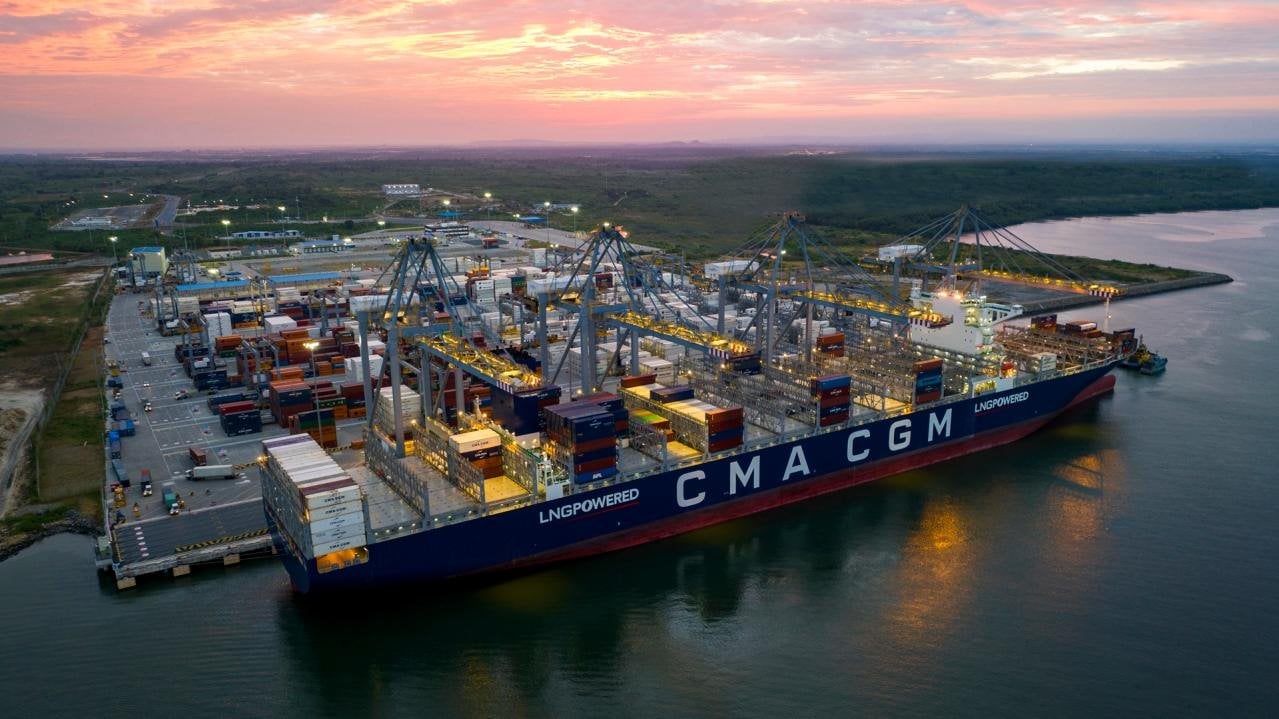
In 2026, freight routes should be checked before every booking. Delays at sea, port congestion, vessel diversions, and capacity changes can affect both transit time and delivery reliability.
For shippers and freight forwarders, this means the usual port pair, carrier schedule, and delivery window may no longer be enough. A route that worked before may now take longer, cost more, or create delivery risk.
That is why logistics teams need to compare the full route across sea, air, rail, road, and multimodal transport. Digital route planning tools such as SeaRates Distance & Time can support this process by helping estimate shipping distance and freight transit time before cargo moves.
Read on to see how ocean delays are reshaping freight routes and why every shipment should be recalculated before booking.
The importance of recalculation before every booking
In stable market conditions, logistics teams can often plan operations based on familiar transit-time assumptions. However, in unstable markets, that strategy creates risk.
A booking decision should be based on the current route situation instead of outdated expectations. Among the best practices for freight rerouting in 2026, shippers and forwarders should check the following points.
Check the current route situation
Before booking, shippers should confirm whether the route has changed, the port is congested, or the carrier schedule is still reliable. A route that worked before may no longer support the same delivery window.
Look at the full delivery chain
Port-to-port timing is not enough. Road, rail, terminal handling, customs, and warehouse receiving can all affect the final ETA. The full route should be checked before the booking is confirmed.
Compare transport options
If the cargo is urgent, another mode may be faster or safer. Shippers may need to compare sea, air, rail, road, or multimodal options before deciding. In some cases, splitting urgent and non-urgent cargo can reduce both delay risk and cost.
Choose the route that makes sense
The cheapest route is not always the best one if it creates delays or penalties. A good booking decision should balance cost, transit time, reliability, cargo urgency, and customer expectations.
Communicate realistic ETAs
Recalculation helps logistics teams avoid outdated assumptions and gives customers more accurate delivery timelines from the start.
Why old transit-time assumptions no longer work
Many freight decisions are still based on fixed assumptions. In 2026, this can lead to missed deadlines, incorrect quotations, and higher costs.
| Old assumption | Why it is risky now |
| “This lane usually takes 30 days” | Rerouting, congestion, or transshipment delays can add extra days |
| “The cheapest ocean route is enough” | Delays may create higher inventory costs, penalties, or emergency transport expenses |
| “Air freight is always too expensive” | For urgent cargo, the cost of delay may be higher than the cost of air freight |
| “The destination port is always the best option” | An alternative port may reduce congestion risk or improve inland delivery |
| “Inland delivery is simple” | Rail, road, terminal capacity, and customs can change the final ETA |
| “The quote only needs a price” | Customers increasingly expect realistic delivery timing and route visibility |
A shipment should not be planned from memory. It should be planned from updated route calculations. Freight route planning tools help shippers, freight forwarders, and 3PLs check whether the planned route still matches the required delivery window.
Comparing sea, air, rail, road, and multimodal freight before booking
Ocean delays are often the first reason shippers review a route, but rerouting is not only an ocean freight issue. When one leg changes, the full supply chain can be affected, including ports, customs, inland transport, warehouse receiving, and final delivery.
That is why freight planning in 2026 should compare sea, air, rail, road, and multimodal transport before booking. Each mode has a different role, cost level, risk profile, and use case.
Let's compare freight transport modes:
| Transport mode | Best for | Main advantage | Main risk |
| Sea freight | Large-volume and cost-sensitive cargo | Lower cost per unit | Delays, congestion, longer routes |
| Air freight | Urgent, high-value, or time-critical cargo | Fastest delivery | High cost and cargo restrictions |
| Rail freight | Inland and corridor-based shipments | Balance between cost and speed | Limited corridor availability |
| Road freight | Inland delivery and flexible rerouting | Route flexibility and final-mile control | Border, driver, fuel, and weather risks |
| Multimodal freight | Complex shipments with different priorities | Combines cost control and timing flexibility | Requires stronger route coordination |
Sea freight: best for volume, but not always for timing
Sea freight remains the main choice for large-volume international cargo. It is usually the most cost-effective option for containers, bulk cargo, heavy goods, and non-urgent shipments. However, ocean freight should not be chosen automatically when timing is important. Sea freight can be affected by:
- longer vessel routes;
- port congestion;
- transshipment delays;
- blank sailings;
- equipment shortages;
- additional surcharges.
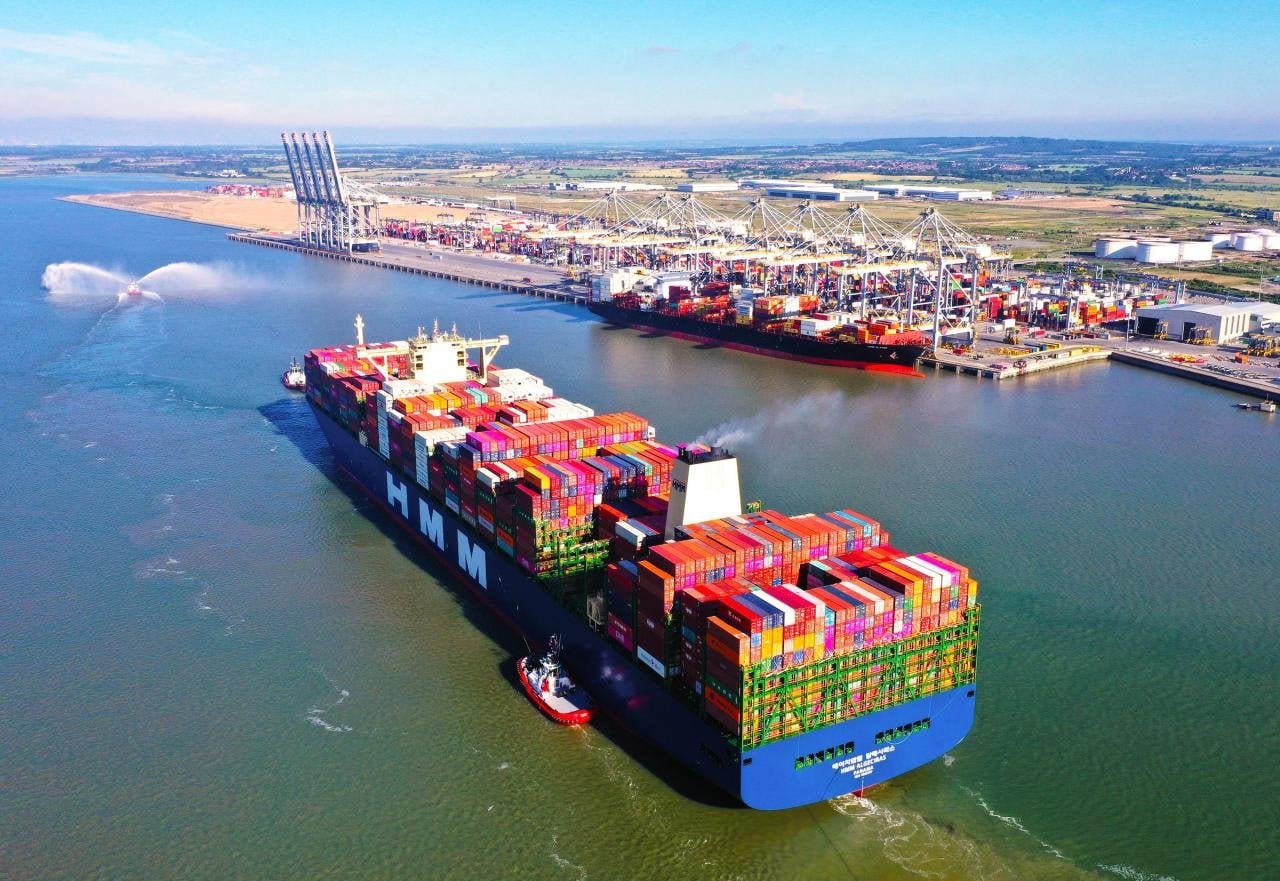
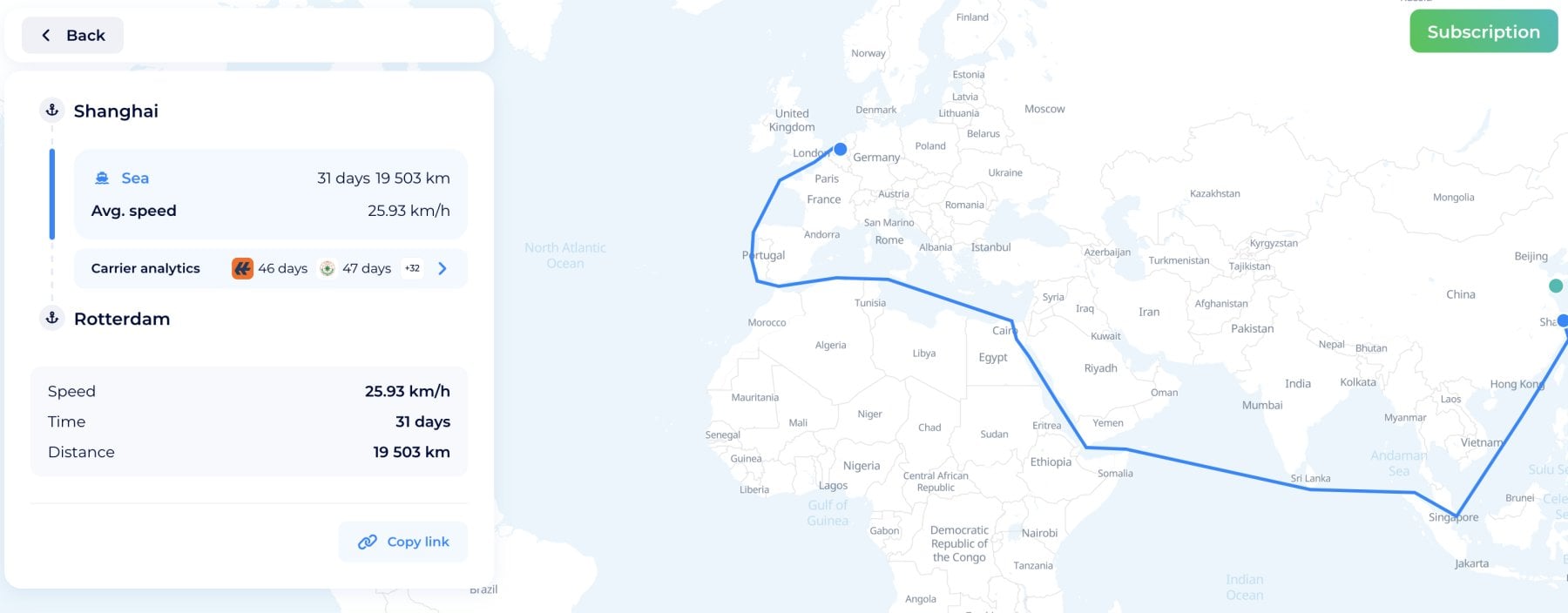
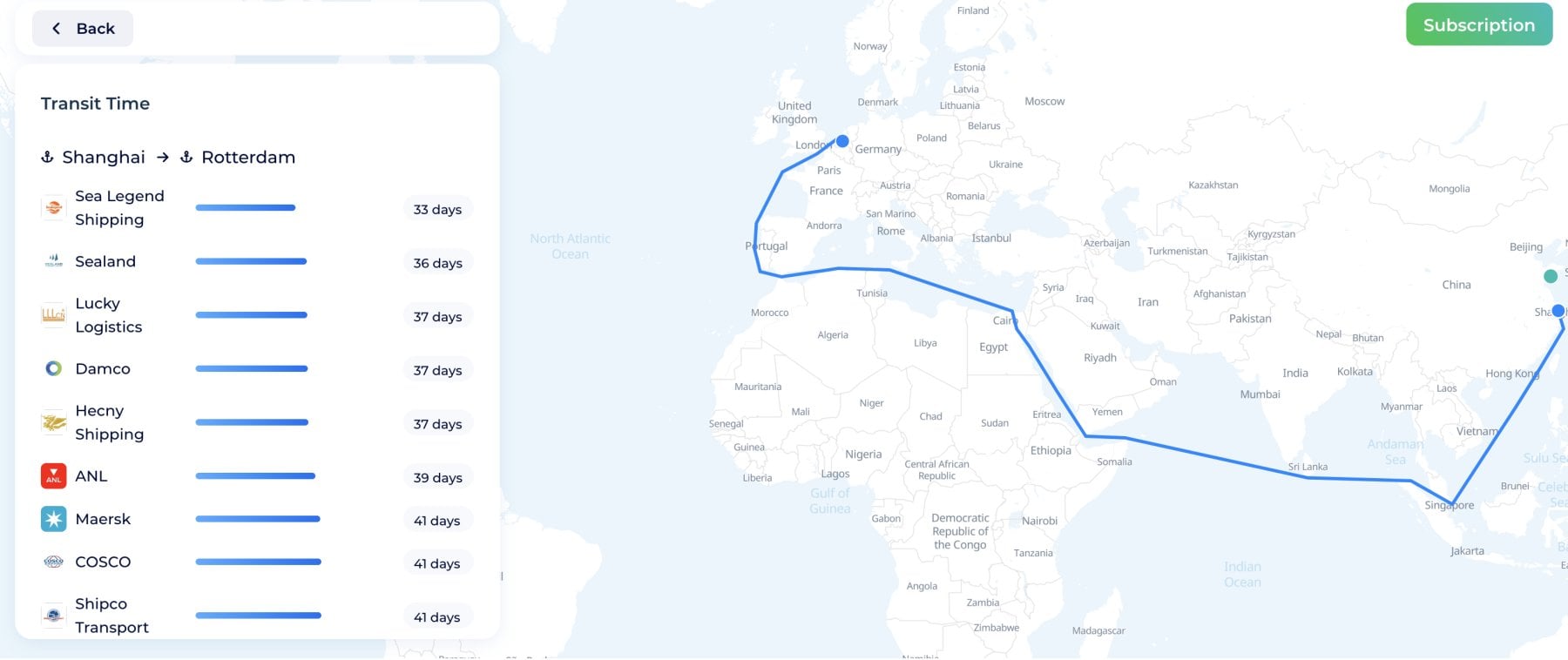
A sea freight transit time calculator or shipping route distance calculator can help check whether the ocean route is still realistic before booking.
Air freight: best when delay costs more than speed
Air freight is useful when the cost of delay is higher than the cost of faster transport. It is not a replacement for all ocean cargo, but it can protect selected shipments when timing is critical.
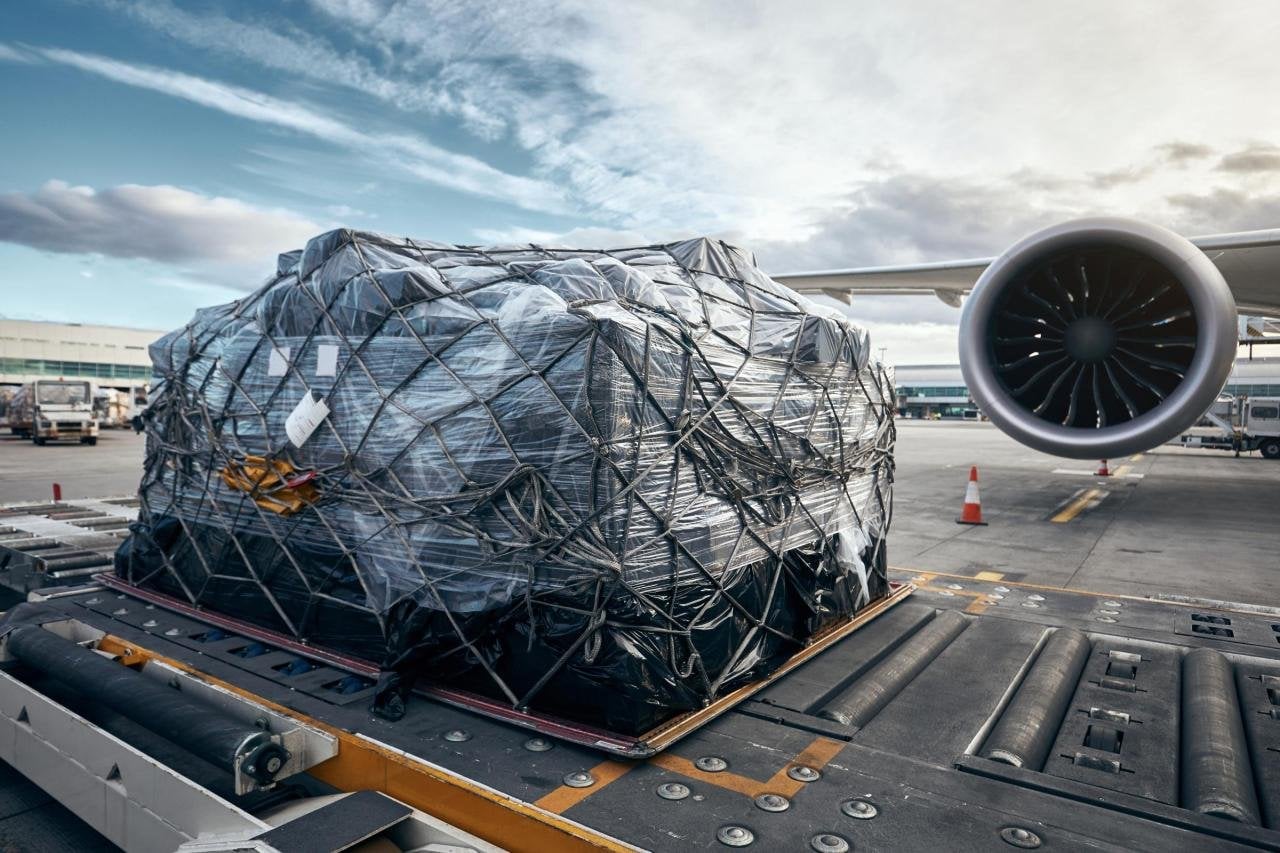
Air freight makes the most sense when:
- the cargo has a strict delivery deadline;
- a delay would stop production or sales;
- the shipment is high-value or sensitive;
- only part of the cargo needs urgent movement;
- the time saving is worth the higher cost.
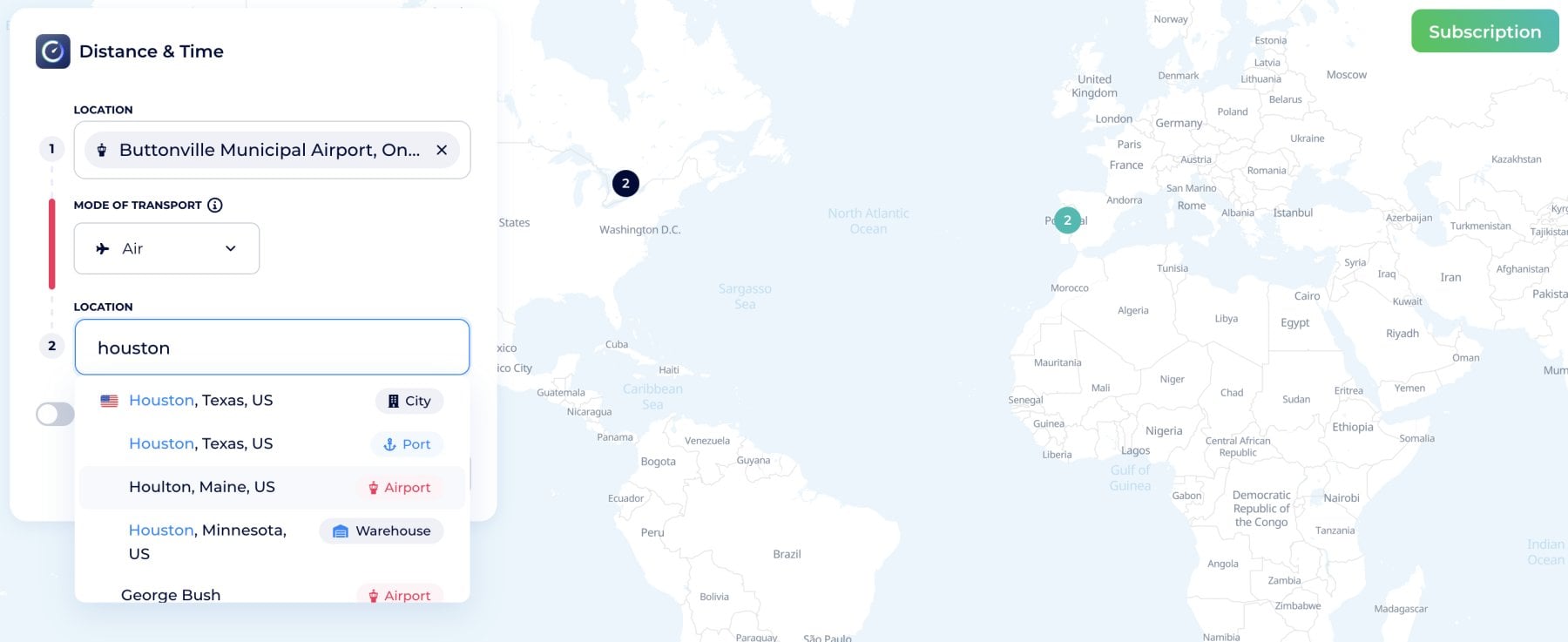
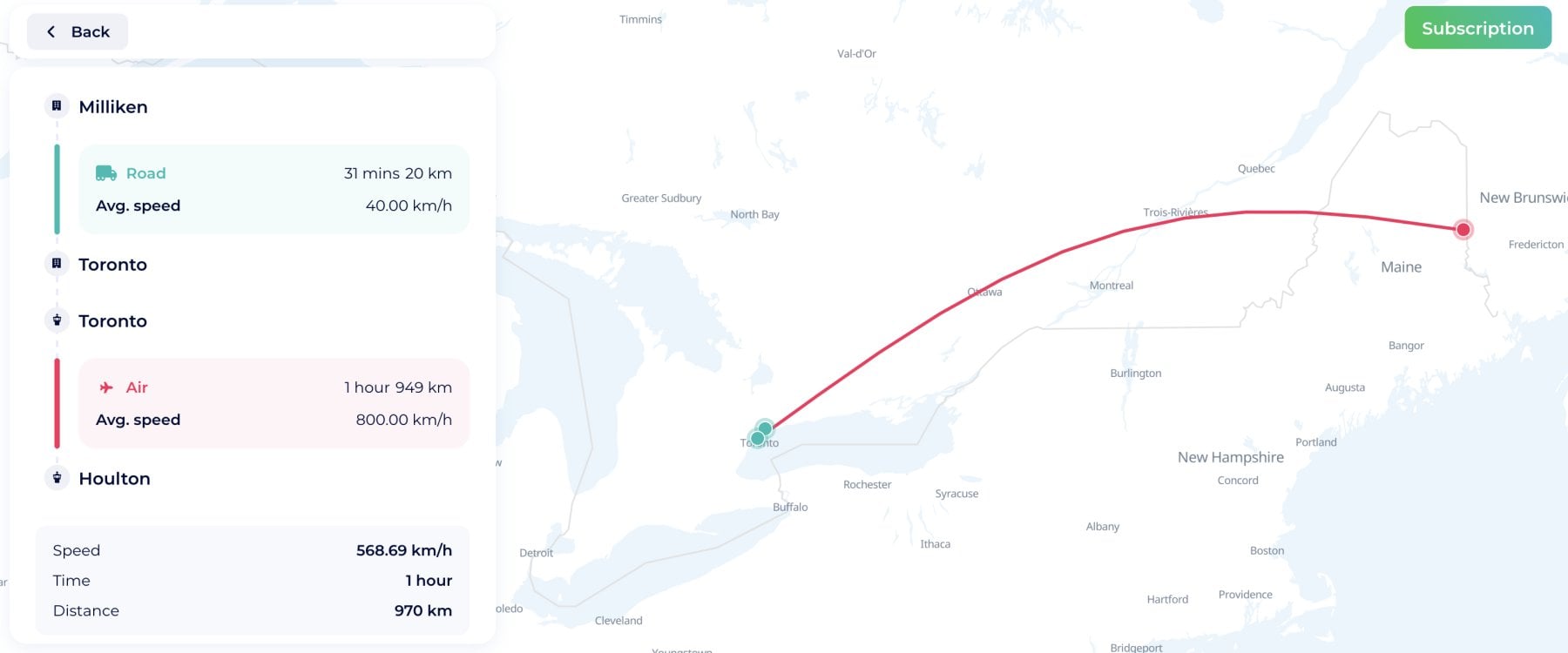
A freight transit time calculator can help compare how much time air freight saves compared with a delayed sea route.
Rail freight: best as a middle option on selected corridors
Rail freight can be a practical middle option when sea freight is too slow and air freight is too expensive. It may work well for inland cargo, corridor-based shipments, and destinations far from major seaports.
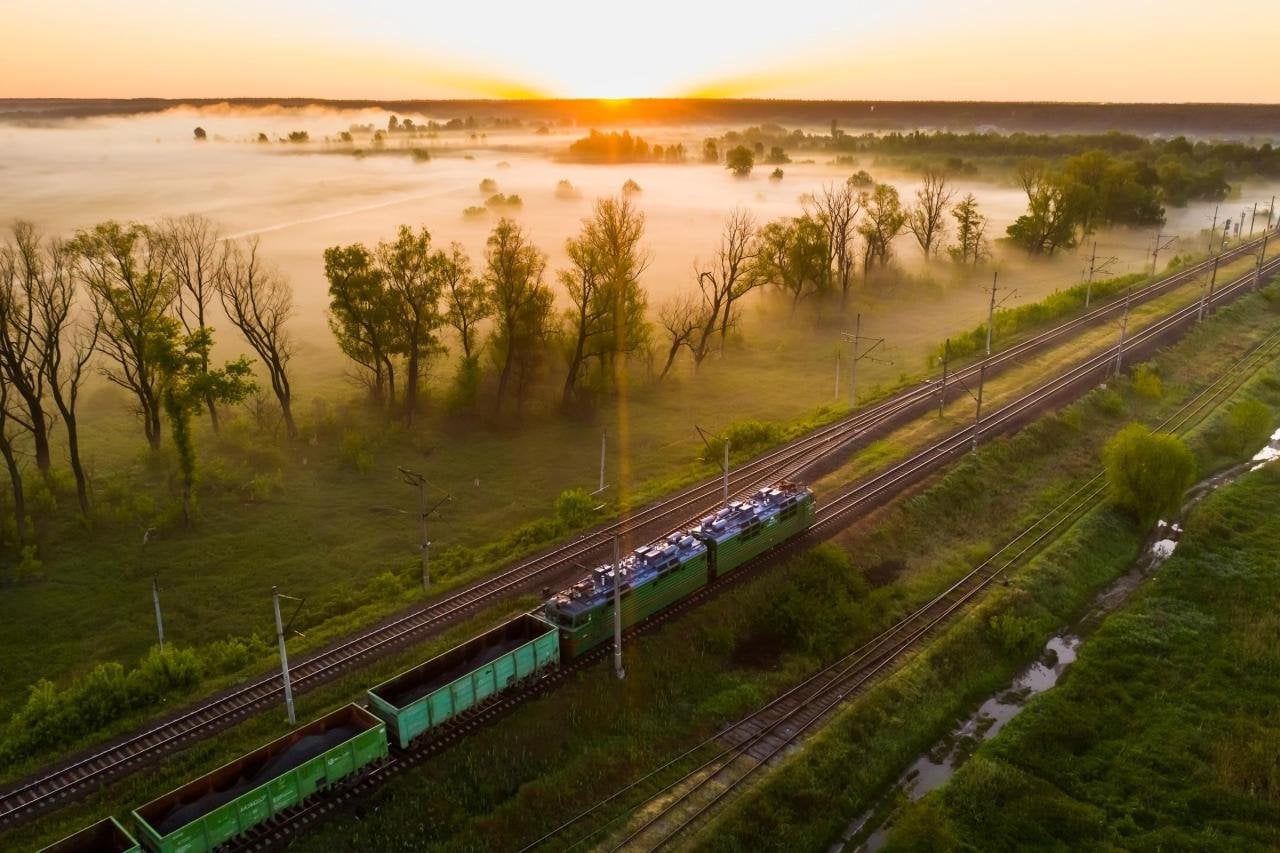
Does your cargo move between inland hubs or is the destination far from the seaport? You can choose rail mode when air freight is too expensive or ocean freight is too slow as well.
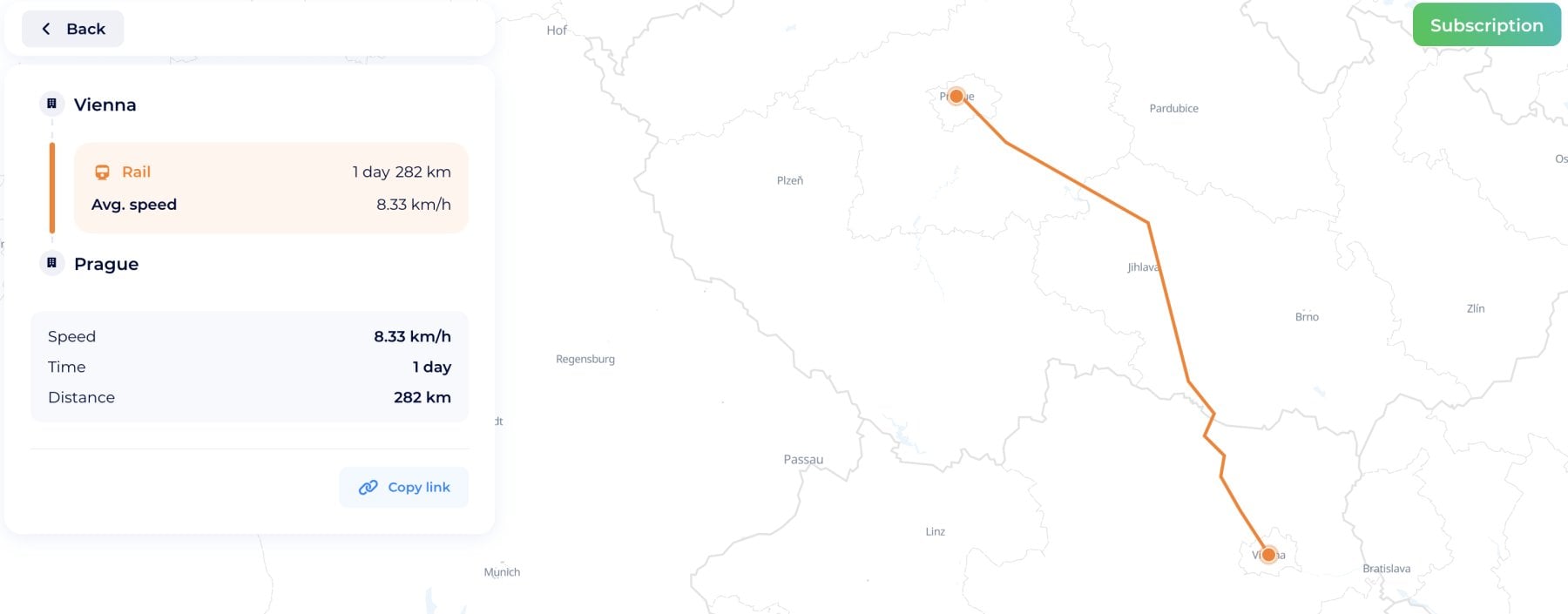
The main limitation is availability. Rail depends on infrastructure, border processes, terminal capacity, and corridor reliability. A rail freight transit time calculator can help determine whether rail is realistic for a specific shipment.
Road freight: best for flexibility and inland control
Road freight is often the mode that makes rerouting possible. Even when the main movement happens by sea, air, or rail, trucks are usually needed before and after the main leg.
Road freight is used for:
- factory pickup;
- port delivery;
- airport pickup;
- inland terminal movement;
- cross-border transport;
- last-mile logistics.
When ocean routes change, road legs often change too. Cargo may need to move through another port, another inland hub, or a less congested terminal.
Road freight gives shippers flexibility, but it can also be affected by border delays, driver availability, road restrictions, fuel costs, weather, or local congestion. This is why road distance and delivery time should be calculated as part of the full route.
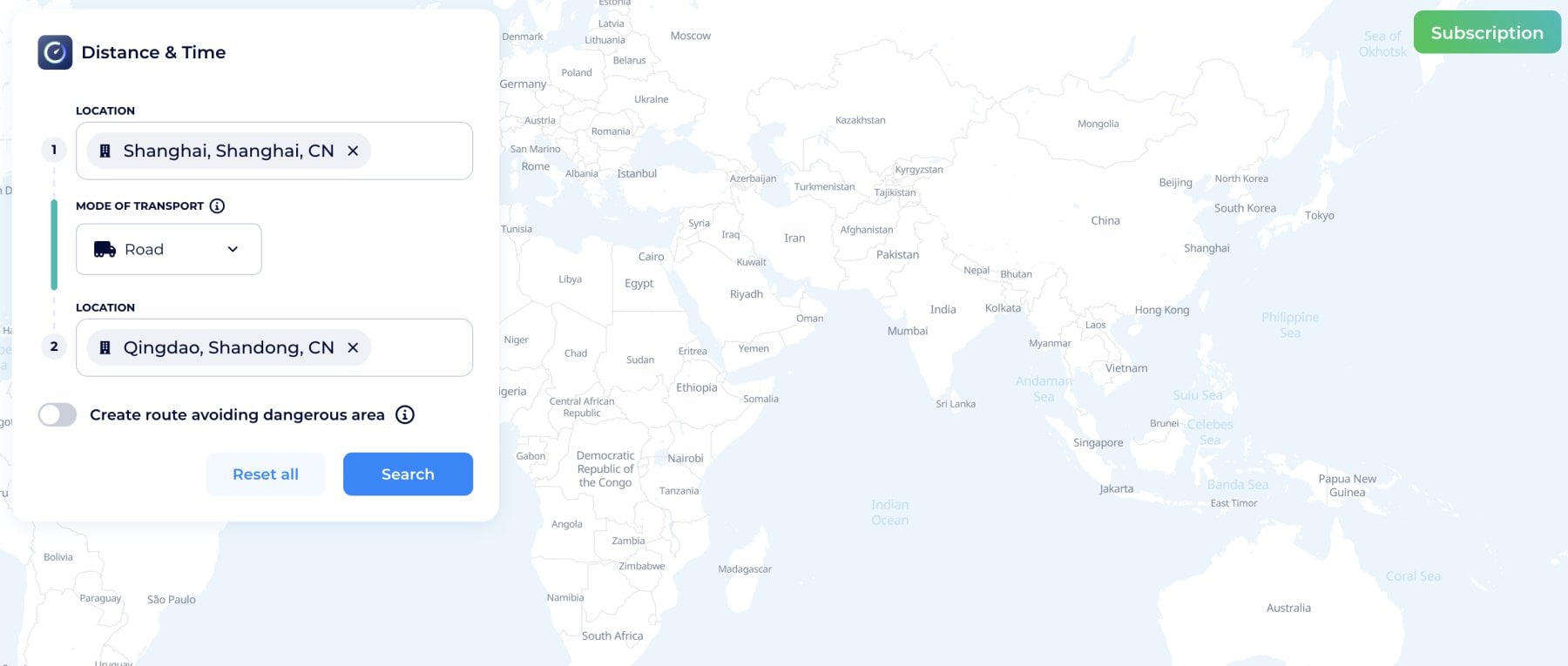
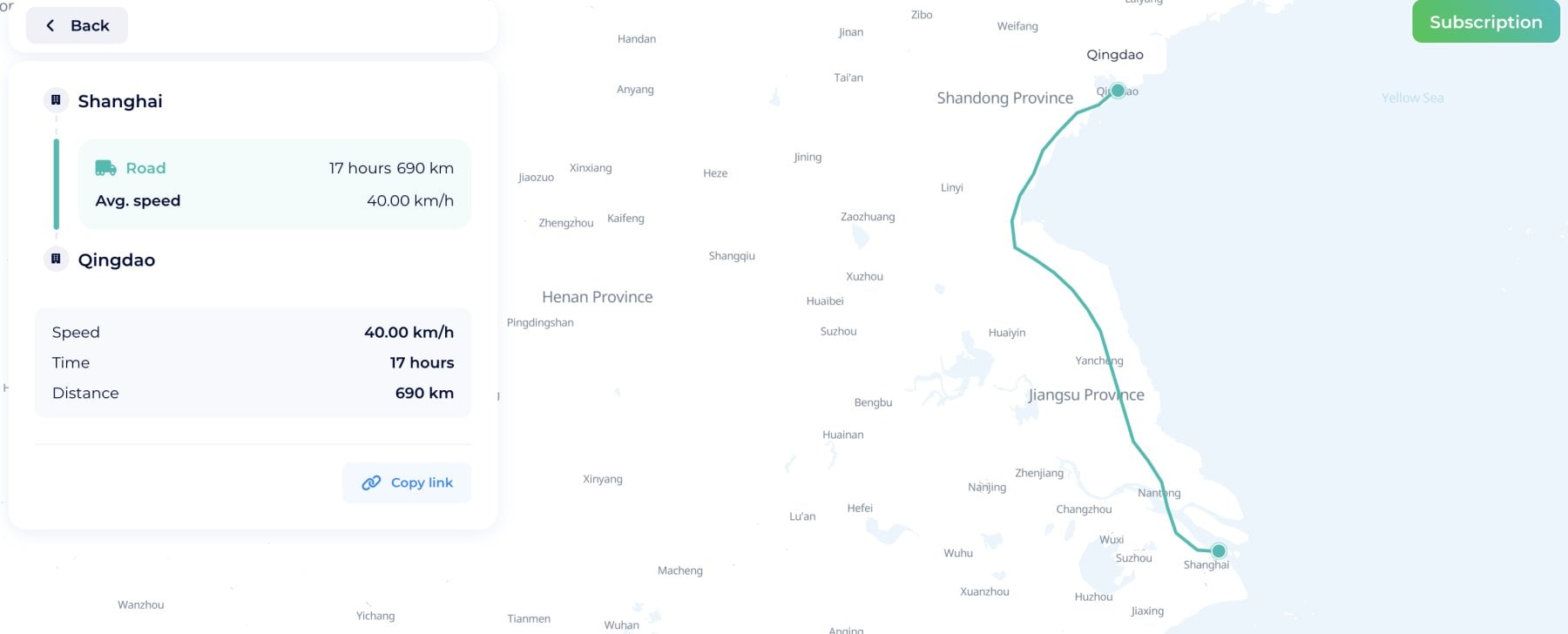
A road freight distance calculator helps logistics teams understand how inland transport affects the total delivery window.
Multimodal freight: best when one mode is not enough
In disrupted markets, the best rerouting strategy is often a multimodal freight plan. This means combining sea, air, rail, and road based on cargo priority, cost limits, and delivery deadlines.
Multimodal freight is useful when:
- the original ocean route is delayed;
- the cargo has different urgency levels;
- the destination is inland;
- the delivery deadline is customer-facing;
- the shipper wants to reduce dependency on one route;
- a single transport mode creates too much risk.
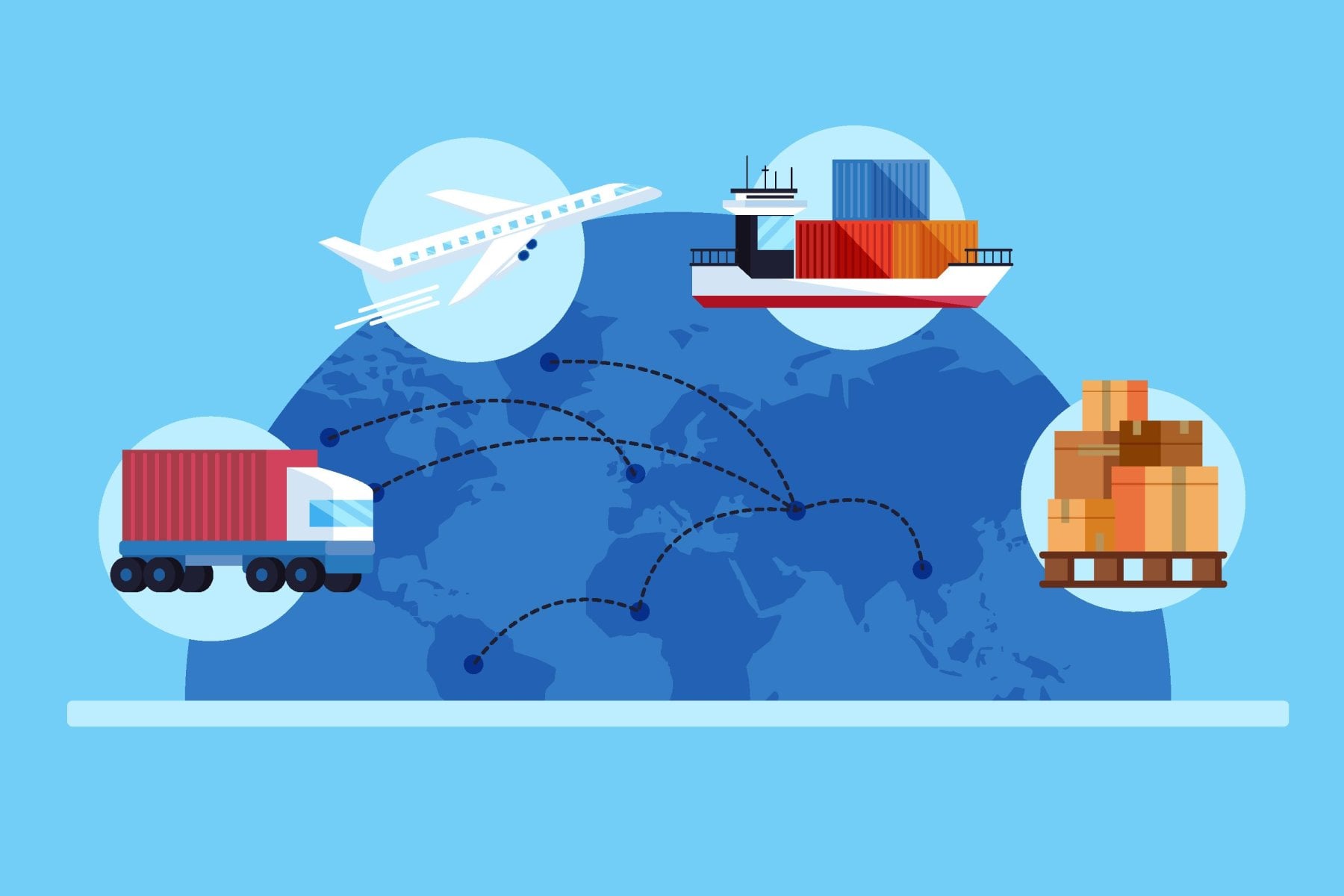
Rerouting is not only about finding another path for the cargo. It is about checking whether the route still works after delays, congestion, inland transport, and delivery risk are included. The best option is the one that balances cost, transit time, reliability, and customer expectations before the booking is confirmed.
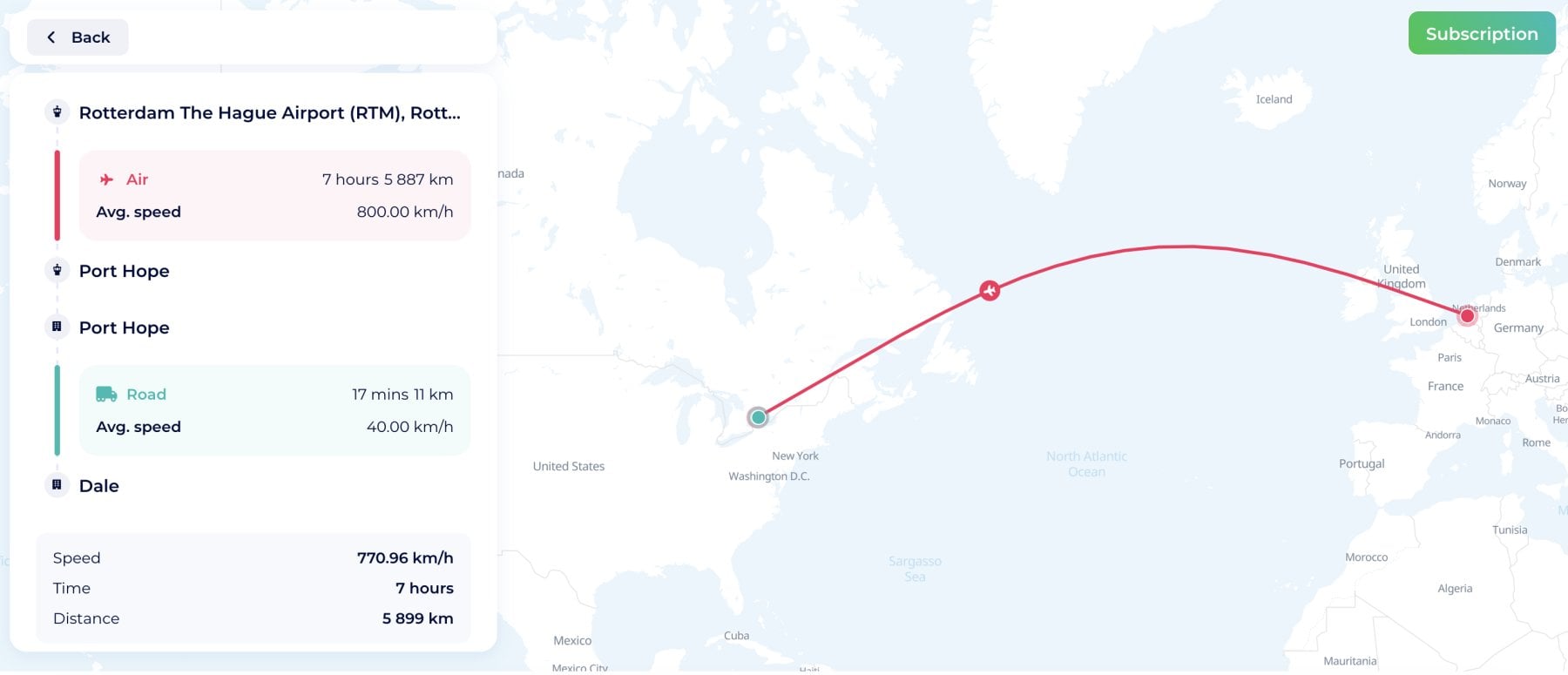
How to recalculate a freight route before booking?
A practical rerouting process should help logistics teams move from assumption to decision. Before confirming a shipment, shippers and forwarders should answer seven questions.
1. What is the real delivery deadline?
The first step is to separate the preferred delivery date from the latest acceptable delivery date. If the cargo has enough time, sea freight may still be suitable. If the deadline is strict, air freight or multimodal transport may be needed.
2. What is the current estimated transit time?
Historical transit times are no longer enough. Logistics teams should check the current estimated route distance and transit time. This is where a freight transit time calculator becomes useful.
3. Is the route port-to-port or door-to-door?
Port-to-port transit time is not the full logistics timeline. A real route may include factory pickup, port handling, ocean freight, transshipment, customs, rail or road delivery, and warehouse receiving. A complete shipping route planner should consider the full movement.
4. Are alternative modes available?
If the original route no longer supports the delivery window, shippers should compare available alternatives. This may include a faster sea service, air freight, rail freight, road freight through another hub, an alternative port, or a multimodal solution.
5. Can the shipment be split?
Sometimes the best solution is not choosing one mode for everything. Urgent goods may move by air, standard cargo may continue by sea, and inland delivery may move by rail or road. This can reduce delay risk without moving the entire shipment by the most expensive mode.
6. What buffer time is needed?
Even after recalculating the route, shippers should allow time for congestion, customs, weather, terminal delays, and documentation issues. Buffer time helps prevent unrealistic ETAs and gives teams more control over customer communication.
7. Does the route still make commercial sense?
The fastest route is not always the best route. The cheapest route is not always the safest route. The best route is the one that balances transit time, freight cost, cargo urgency, service reliability, inland delivery, and customer expectations.
How route recalculation supports better freight decisions
Route recalculation has direct commercial value for both shippers and freight forwarders. It helps both sides move from basic pricing to better route decisions.
For shippers
For shippers, route recalculation helps prevent costly booking mistakes. A delayed shipment can affect production schedules, inventory levels, warehouse planning, customer commitments, and sales. In some cases, the cost of delay can be higher than the cost of choosing a faster or more reliable route from the start.
By checking transit time, distance, inland delivery, and alternative modes before booking, shippers can see whether the planned route still supports the business deadline. This is especially important for time-sensitive cargo such as retail goods, manufacturing components, e-commerce inventory, automotive parts, medical cargo, perishables, electronics, and high-value goods.
For carriers and freight forwarders
For carriers, route recalculation makes quotations more practical and professional. Customers want more than a price. They need to know when cargo can be picked up, how long delivery may take, what risks affect the route, and which alternatives are available.
Instead of offering only one option, forwarders can present a clearer choice: lower-cost sea freight, faster sea service, air freight for urgent cargo, rail on selected corridors, alternative port routing, or a multimodal solution. This turns the quote into a useful planning decision and helps build customer trust.
Conclusion
Freight rerouting in 2026 is now part of regular shipment planning, not just a backup option. Ocean delays can affect ports, inland delivery, warehouse timing, and customer commitments.
Before booking, shippers and forwarders should check whether the full route still meets the delivery deadline. The best choice is the route that balances cost, transit time, reliability, and risk.
Recalculating routes in advance helps avoid late cargo, unrealistic ETAs, and expensive last-minute changes. To compare route distance, estimated transit time, and freight options, logistics teams can contact SeaRates at [email protected] for support.