

Understanding the difference between supply chain management (SCM) and logistics is a strategic necessity for freight forwarders, shippers, and logistics tech providers. While the terms are often used interchangeably, they serve distinct, separate roles within the global movement of goods.
In this guide by SeaRates, we’ll clarify the connection between logistics and supply chain management, compare their core functions, differentiate their distinct duties, and demonstrate how digital tools like end-to-end container tracking are transforming today’s transport and trade networks.
What Is Supply Chain Management (SCM)?
Wondering what Supply Chain Management truly means? It’s the wise synchronisation of workflows that shapes and shifts raw resources into smart, streamlined goods ready for timely delivery. SCM spans wise sourcing, structured setup, and steady support, forming a well-shaped system that strengthens and sustains smooth trade.
Key Processes in Supply Chain Management
Sourcing and Procurement
This step focuses on finding reliable suppliers, negotiating contracts, and ensuring a steady flow of raw materials. Effective sourcing strategies prevent bottlenecks and keep costs in check.
Production and Manufacturing
This is where materials meet machinery. Perfecting production plans, maximising manufacturing momentum, and guaranteeing goods’ quality are all critical components.
Distribution and Delivery
Here, supply chain goals shift from manufacturing to market. Timely transport and effective execution rely on smooth synchronisation between shippers, storage specialists, and fulfilment facilitators.
Return Management
Also known as reverse logistics, this phase includes product returns, recycling, or refurbishing, vital for sustainability and customer satisfaction.
Example of Supply Chain Management in Action
Consider a major smartphone manufacturer. Their supply chain begins by procuring lithium batteries and microchips, moves to assembling the phones in a factory in Asia (Manufacturing), coordinates the shipment to distribution centers in Europe (Logistics/Distribution), and ends with the phone being sold in a retail store.
Every phase, from product procurement to consumer checkout, clearly captures the relationship between logistics and supply chain management in practice.
What Is Logistics?
Definition
Logistics involves the layered design of load handling, deliberate direction, and dependable distribution, directing the full journey of goods from their launch destination to final delivery. It ensures each product reaches the location desired, in the levelled condition required, at the designated deadline.
Core Functions of Logistics
- Transportation: Choosing trustworthy transport teams and tailored transit modes to move goods efficiently.
- Warehousing: Where goods wait safely, kept in well-tended, temperature-tested spaces before distribution.
- Inventory Management: Tracking stock levels to tackle shortages, trim towering totals, and truly match market demand without waste.
- Order Fulfilment: Working through processing, timely picking, thorough packing, and tracking dispatch to ensure every item travels to the customer without trouble.
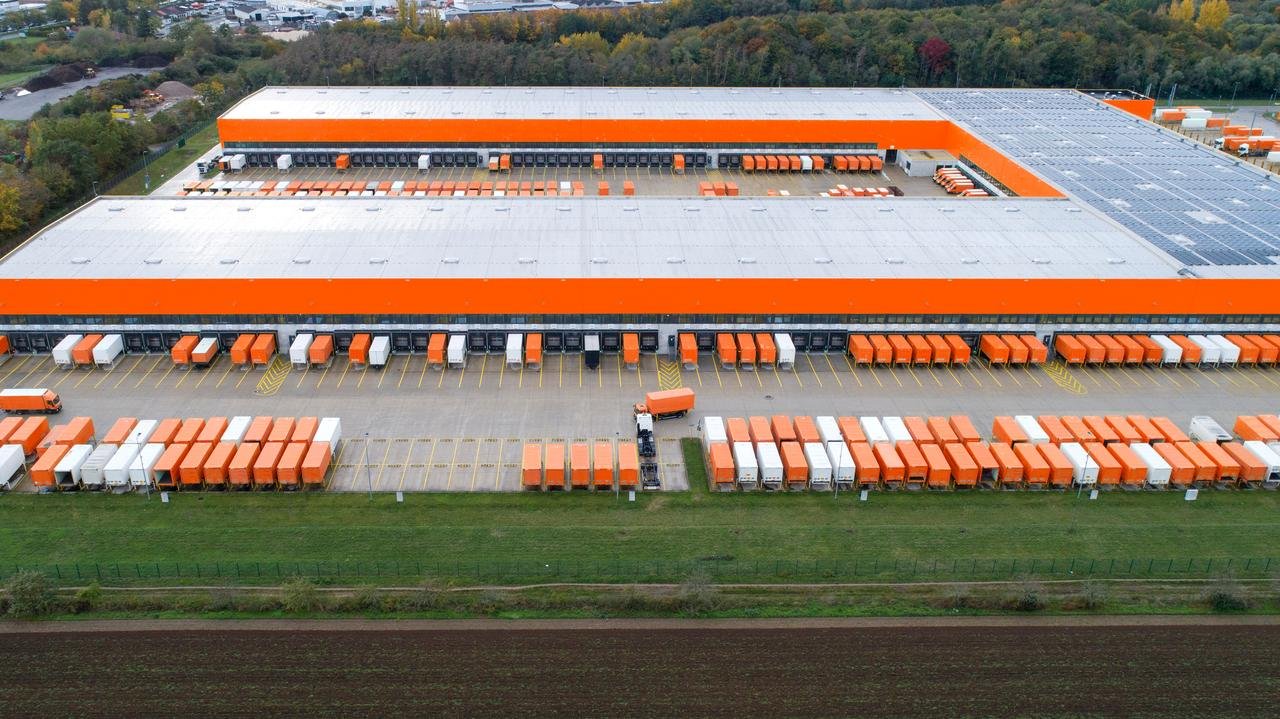
Real-World Example of Logistics
Think of a modern eCommerce retailer offering next-day delivery. Their logistics operations are responsible for keeping stock in fulfillment centers located near major cities, tracking inventory in real-time, and coordinating the last-mile delivery van that drops the package at your door. The strategy to sell online is SCM; the van arriving at your house is logistics.
Are Supply Chain Management and Logistics the Same Thing?
The clear, direct truth is no.
Logistics is a concentrated division within the comprehensive design of SCM. While logistics centres its duties on the concrete details of storage and distribution, supply chain management crafts a deeper, directional strategy, coordinating suppliers, sites, and stakeholders to create smoother, stronger systems.
So, when comparing supply chain vs logistics, consider logistics as the constant current within SCM; it keeps commerce drifting, but it’s only one distinct drop in the broader, deliberate design of the full supply chain.
Similarities Between Supply Chain Management and Logistics
- Both focus on smart storage and timely shipment of goods.
- Both call for the careful coordination of resources, facilities, and functional technologies.
- Both seek to satisfy customer expectations, strengthen service standards, and control costs.
Key Differences Between Supply Chain Management and Logistics
Scope and Focus
SCM has a broader scope, spanning everything from raw resource acquisition to post-sale support. Logistics, by contrast, is more limited, centring on the practical pieces of product movement.
Strategic vs. Operational Goals
SCM drives and defines the forecasting, forming, and fine-tuning of supply networks, designing future flows, developing firm supplier ties, and drafting the total strategic framework. Logistics, in turn, directs the detailed transit of goods, from deliberate load planning to timely transport, ensuring every item travels through the system with thoughtful timing.
Comparison Table: SCM vs. Logistics
| Feature | Supply Chain Management (SCM) | Logistics |
| Focus | Comprehensive, coordinated control from end to end | Circulation and containment of cargo |
| Scope | Planning, procurement, production, and prompt delivery | Transportation, tracking, and terminal storage |
| Objective | Value-driven vision and competitive capability | Timely and cost-conscious transport |
| Timeframe | Long-term strategy | Daily duties and distribution |
| Components | Logistics, procurement, production | Transport and timely fulfilment |
Role of Logistics in Supply Chain Management
Logistics plays a vital and complementary role within SCM, connecting the circulation of physical goods with the clarity of digital data to provide visibility, validation, and value. Logistics teams act as the critical thread between visionary supply chain planning and tactical, timely execution.
Advanced logistics platforms deliver real-time visibility, combining custom dashboards and digital twins to track transport routes and tackle supply chain threats.
Why Logistics Is So Important to Supply Chains
Ensures On-Time and Cost-Effective Delivery
Delays drive up costs. Logistics ensures the supply chain stays on schedule, keeping commitments, cutting confusion, and aligning closely with customer expectations.
Reduces Operational Costs
Well-managed logistics limits losses, reducing storage spend, rerouting slip-ups, and surplus stock.
Improves Customer Loyalty and Retention
Fast, frictionless fulfilment cultivates confident customer satisfaction, especially in competitive categories like fashion, food, and pharmaceuticals.
Creates Competitive Advantage
Efficient logistics enables enterprises to steadily shift demand, ease sudden market swings, and endure sharp supply shocks, ensuring seamless continuity and elevating strategic control across the chain.
How End-to-End Container Tracking Systems Enhance Logistics Management
What Is an End-to-End Container Tracking System?
These digital systems deliver clear, continuous visibility from origin to final fulfilment. They track container conditions, port progress, estimated arrival times, and dwell durations.
Integration with Logistics Management Platforms
Platforms like SeaRates perfectly tie container tracking to precise planning, timely inventory transparency, powering tighter logistics and turbocharging total supply chain performance.
Benefits of Container Tracking Integration
- Faster fixes for freight delays
- Improved planning and precise scheduling
- Better customer communication
- Enhanced data for analytics
By connecting tracking data with SCM tools, companies can sharpen savings and shape smarter delivery decisions.
Logistical Components of the Supply Chain
Information
Data drives direction. Accurate analytics aid in scheduling, carrier choices, and performance planning.
Storage
Strategic storage helps harmonise supply and demand swings, maintaining movement without mounting excess.
Warehousing
Warehousing handles the careful coordination of receiving, picking, packing, and prompt shipping.
Material Handling
Forklifts, conveyors, and robotics facilitate fast, fluid movement within facilities.
Packaging
Protective packaging minimises damage and maximises transport efficiency.
Unitization
Combining items into units (pallets, containers) makes loading and unloading easier.
Inventory Control
Dynamic distribution systems ensure stock aligns with shifting shopper demand, minimising waste and wait times.
Transportation
The backbone of logistics involves roads, railways, airways, and sea routes.
Frequently Asked Questions (FAQs)
What is the main difference between supply chain management and logistics?
The main distinction between supply chain management and logistics lies in their magnitude, mission, and design. Supply Chain Management is a master framework that maps, monitors, and manages the full movement of goods, spanning sourcing all the way to delivery; while logistics is a more defined division, dedicated to directing storage, shipping, and transportation duties within that wider system.
Why is logistics important in the supply chain?
Logistics is vital to the supply chain, ensuring smooth and cost-smart movement of goods. By coordinating transport, storage, and stock, it boosts both customer satisfaction and commercial success, highlighting its key role in the comparison between logistics and supply chain management.
What are the main functions of logistics?
The fundamental functions of logistics include transport, tracking, and timely fulfilment, covering warehousing and order dispatch. These duties ensure products are picked, packed, and promptly delivered. To differentiate between logistics management and supply chain management, logistics handles the daily, detail-driven tasks, while SCM leads the larger, long-term flow from procurement to product placement.
How do SCM and logistics improve customer satisfaction?
SCM and logistics strengthen customer satisfaction by keeping products available, delivering them swiftly, and ensuring they arrive in top condition. With clear coordination and reliable routing, both functions shape a smoother shopping journey.
What are the key components of supply chain logistics?
The core components of supply chain logistics include transportation, tracking, warehousing, packaging, and precise inventory control, alongside data-driven management. Together, these elements ensure a steady stream of goods from source to shelf.