
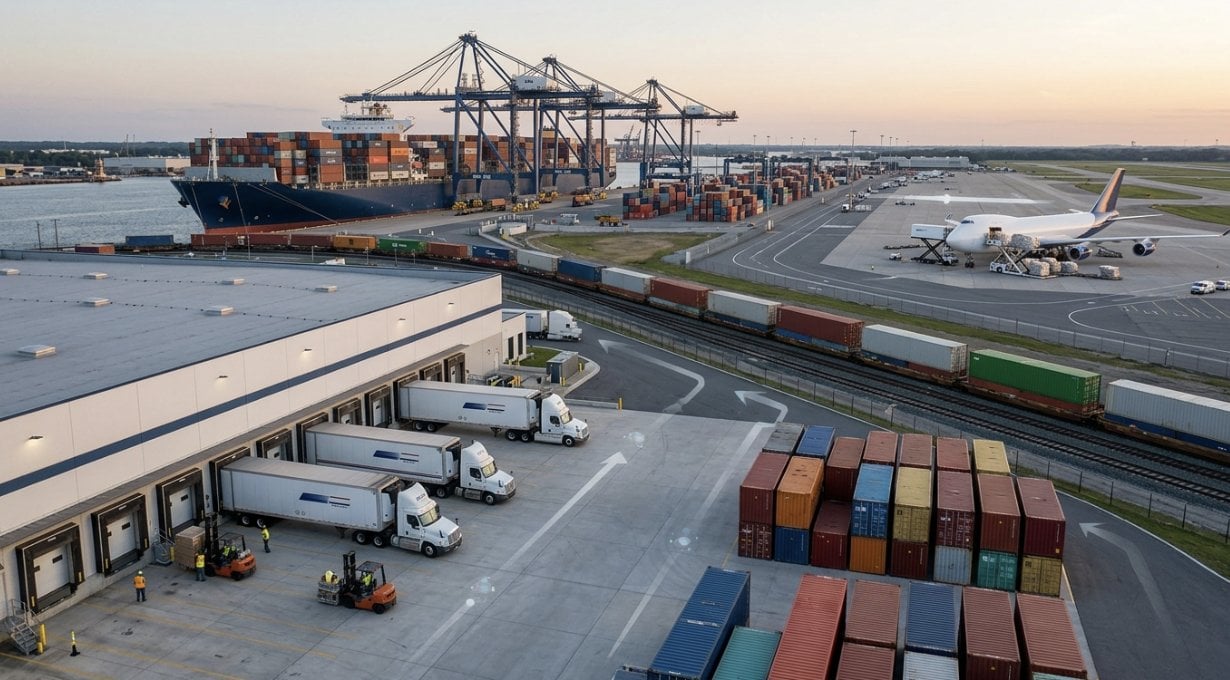
Efficient logistics depends on accurate communication throughout every stage of the supply chain. From manufacturers and freight forwarders to warehouse teams, customs authorities, carriers, and customers, every participant relies on clear information to keep shipments moving efficiently. Visual communication has become an important part of this process because diagrams, workflow charts, warehouse layouts, loading illustrations, and process maps help simplify complex logistics operations while reducing misunderstandings and improving collaboration.
Artificial intelligence is transforming how these professional visuals are created. Nano Banana is an AI image generation model that enables businesses to produce detailed logistics graphics from natural language prompts, making it easier to create training materials, operational diagrams, and presentation assets. At the same time, Higgsfield provides access to AI-powered creative tools that support image generation, video creation, and digital business communication. When combined with expert review, these technologies help organizations produce consistent visual resources that improve supply chain communication, employee training, and operational documentation.
What Is Logistics Visual Communication?
Logistics visual communication uses diagrams, maps, illustrations, icons, and process graphics to explain transportation, warehousing, customs procedures, inventory management, and supply chain workflows. Instead of relying only on lengthy documents, businesses use visuals to present complex logistics processes in a way that is easier for employees, partners, and customers to understand. From container loading diagrams and warehouse layouts to shipping routes and cargo handling instructions, visual resources help improve accuracy and reduce communication errors across daily operations. They also support employee onboarding, safety training, customer presentations, and operational planning by making technical information more accessible.
As global supply chains involve multiple countries, languages and transportation providers, consistent graphics help standardize communication and simplify collaboration. Modern image generation models like gpt-image-2 also make it easier to create consistent visual assets across different logistics workflows. AI powered image generation further enhances this process by enabling organizations to create customized logistics visuals more efficiently while maintaining a professional appearance. These capabilities help businesses produce high quality visual content for both internal documentation and external communication.
Why Are Visuals Important in Supply Chain Operations?
Supply chains involve thousands of interconnected activities that depend on accurate coordination between multiple organizations. A misunderstanding during cargo preparation, warehouse handling, customs processing, or transportation planning can result in shipment delays, additional freight costs, or operational disruptions. Visual communication helps reduce these risks by presenting information in a clear and structured format.
- Within warehouses, employees regularly work with container loading plans, pallet configurations, storage layouts, equipment instructions and safety procedures. Visual guides help standardize these activities while reducing training time for new personnel. Instead of interpreting lengthy written instructions, employees can quickly understand operational requirements through diagrams and illustrations.
- Transportation planning also benefits from visual communication. Maps, routing diagrams and shipment flowcharts allow logistics professionals to understand how cargo moves between suppliers, ports, distribution centers and final destinations. These materials simplify planning discussions while supporting better coordination across supply chain partners.
- Customer communication is another important application. Importers and exporters often require explanations of customs procedures, shipping timelines, cargo handling processes and freight documentation. Visual materials make these topics easier to understand, helping businesses improve customer experience while reducing repetitive support requests.
- Visual assets are equally valuable for business presentations, operational reports, sales proposals and logistics training programs. High quality graphics communicate technical information more effectively than text alone, making presentations easier to follow for audiences with different levels of industry experience.
As supply chains continue embracing digital transformation, visual communication has become an increasingly valuable business resource. AI generated graphics provide organizations with an additional way to produce educational materials more efficiently while maintaining consistency across documentation, training programs and customer facing content.
How Does Nano Banana Help Create Supply Chain Graphics?
Producing logistics illustrations has traditionally required design software, technical expertise and significant production time. AI image generation simplifies this process by converting detailed prompts into professional visuals that represent real world logistics operations. Nano Banana helps users create images that include warehouses, shipping containers, loading equipment, transportation networks, distribution centers, freight terminals and other supply chain environments without starting every design from scratch.
Unlike traditional image generation approaches that focus primarily on visual appearance, Nano Banana uses a reasoning-based process to better understand object relationships, composition, lighting and scene context before generating the final image. This makes it well suited for creating structured illustrations where multiple logistics elements need to appear logically within the same scene.
Users can describe warehouse operations, cargo handling procedures, container loading methods, or transportation workflows using natural language prompts. The model interprets these instructions to generate visuals that support training manuals, operational documentation, educational presentations and customer communication materials.
Reference images can also be incorporated to improve consistency across multiple graphics. Businesses creating a series of warehouse guides, safety manuals, or logistics presentations can maintain a similar visual style while adapting illustrations for different operational scenarios. This reduces design inconsistencies and creates a more professional appearance throughout documentation.
Beyond individual image generation models, organizations increasingly rely on Higgsfield to access a broader ecosystem of AI powered creative tools that support visual communication across business workflows. Combined with careful human review, these technologies can help logistics teams produce educational graphics more efficiently while supporting clearer communication throughout the supply chain.
Where Can AI Generated Logistics Visuals Be Used?
Logistics organizations create a wide range of visual materials to support operations, training, customer communication and business development. As supply chains become more digital, the demand for customized graphics continues to grow because visual content often communicates complex information more effectively than text alone. Nano Banana helps create AI generated illustrations efficiently while maintaining a professional appearance, supporting modern logistics documentation and communication.
One of the most common applications is shipping documentation. Businesses frequently prepare visual guides that explain bills of lading, packing lists, commercial invoices, customs declarations, cargo handling procedures and import or export documentation. Well designed illustrations make these processes easier for employees and customers to understand.
Warehouse operations also benefit from visual content. Companies can create diagrams showing pallet placement, storage zones, equipment operation, loading procedures, inventory movement, emergency exits and workplace safety instructions. These graphics improve employee onboarding while supporting more standardized operational practices. Nano Banana can also generate customized illustrations for warehouse training and operational manuals. Training and education represent another valuable use case. Logistics providers regularly prepare presentations for warehouse staff, freight coordinators, customs specialists and transportation teams.
Customer facing communication can also become more engaging through AI generated visuals. Freight companies often explain transportation routes, shipping timelines, multimodal logistics, cargo consolidation and international trade processes. Clear illustrations simplify these concepts while improving communication with clients who may not have technical logistics knowledge. Platforms such as Higgsfield also support businesses by providing AI powered creative tools for image and video generation.
Businesses exploring AI powered visual workflows can benefit from Higgsfield to create consistent visual assets that strengthen training materials, operational documentation, presentations and digital communication across supply chain operations.
How Can Reference Images Improve Logistics Visual Consistency?
Maintaining consistency across operational documents is an important challenge for logistics organizations. Training manuals, warehouse guides, customer presentations, safety instructions and marketing materials often contain dozens of illustrations created over extended periods. Without a consistent visual approach, documentation can appear fragmented and more difficult to follow.
Reference images help solve this problem by providing visual guidance throughout the image generation process. Instead of producing unrelated illustrations for each project, AI models, including Nano Banana, can use existing layouts, design styles, equipment references, or warehouse environments as a foundation for generating additional graphics with a similar appearance.
This capability is particularly useful when businesses create recurring educational materials. Warehouse layouts, loading equipment, shipping containers, forklifts, storage racks and transportation vehicles can maintain a more consistent look throughout different documents. Employees become familiar with these visuals, making training materials easier to understand.
Nano Banana supports reference image workflows that help reduce unnecessary variation between illustrations. Rather than redesigning each scene independently, organizations can create educational graphics that share similar perspectives, object placement, lighting conditions and overall presentation style.
Consistency also benefits customer communication. Companies preparing logistics proposals, shipping guides, onboarding documents, or digital knowledge bases can develop a recognizable visual identity across multiple publications. Professional documentation not only improves readability but also strengthens confidence in operational processes.
As businesses continue expanding their digital documentation strategies, consistent visual communication becomes increasingly valuable for supporting collaboration between logistics teams, customers and supply chain partners.
What Should Businesses Consider Before Using AI Generated Logistics Graphics?
AI generated visuals can accelerate content creation, but they should always be used responsibly within logistics operations. Graphics created with tools such as Nano Banana for employee training, operational procedures, or customer documentation should accurately represent real world processes and reflect current business practices.
The first consideration is operational accuracy. Warehouse layouts, loading procedures, safety instructions and transportation workflows should always be verified by experienced logistics professionals before publication. Even well designed illustrations should never replace operational expertise or official documentation.
Compliance is another important factor. International shipping involves customs regulations, cargo handling requirements, workplace safety standards and transportation policies that vary between countries and industries. Organizations should also maintain consistency with their existing documentation standards. Graphics used in training manuals, presentations, or customer resources should align with company branding, terminology and operational procedures. This creates a more professional experience for both employees and clients.
Data privacy deserves careful attention as well. Businesses should avoid including confidential shipment information, customer records, or sensitive commercial details in prompts or reference materials used during image generation. Internal review processes help ensure that visual assets comply with organizational security policies.
Beyond individual image models, businesses adopting AI powered creative workflows may use platforms like Higgsfield to manage visual content creation across multiple communication channels. Regardless of the technology used, human review remains essential for ensuring accuracy, compliance, and operational reliability before graphics are distributed throughout the organization.
How Can AI Improve Communication Across the Supply Chain?
Communication is one of the most important factors influencing supply chain performance. Manufacturers, suppliers, freight forwarders, customs brokers, warehouse operators, carriers and customers all rely on accurate information to coordinate shipments effectively. Inconsistencies and ambiguities in information can lead to delays in shipments, inefficiencies in business operations and unnecessary expenses for businesses.
AI powered visuals make it simpler to communicate by providing a clear representation of operational processes. Aside from written instructions, logistics teams can use diagrams, process maps, workflow illustrations and educational graphics to explain logistics booking flows, warehouse operations, movement of inventory and requirements for cargo handling.
When the departments share a common visual documentation, internal communication becomes more efficient too. Warehouse managers can describe how to load, logistics coordinators can show how to transport and training staff can create training documents that employees will learn faster than reading lengthy operational manuals. To complement these initiatives, Higgsfield offers AI powered creative tools to create professional visual content.
There are comparable advantages when it comes to communicating with customers. Companies often get queries about shipment preparations, paperwork, customs clearance, delivery schedules and shipping procedures. Visual guides aid in addressing these questions and enhance the overall customer experience. Simple graphic communications can minimize misunderstandings and facilitate a more productive communications between logistics provider and customers.
AI powered creative technologies are also supporting digital transformation across supply chain operations. Platforms such as Higgsfield provide organizations with access to visual content tools that help produce educational materials, presentations and communication assets more efficiently. Combined with human expertise, these technologies support faster knowledge sharing without replacing professional operational review.
Future of AI Generated Visuals in Logistics and Supply Chain Management
The logistics industry continues to adopt digital technologies that improve operational efficiency, collaboration and customer communication. AI generated visuals are becoming an important part of this transformation by helping businesses create training materials, operational diagrams and documentation more efficiently. Nano Banana supports this process by generating customized logistics illustrations from natural language prompts, making professional visual content easier to produce. As global supply chains become more connected, AI powered graphics can simplify complex workflows, improve communication across multilingual teams and help organizations create consistent visual resources for employees, partners and customers.
Nano Banana represents one example of how AI image generation is evolving to support structured visual creation through detailed prompts and reference images. These capabilities can assist organizations in producing graphics for logistics education, warehouse operations, shipping documentation and business presentations with greater efficiency.
The broader AI ecosystem is also expanding rapidly. Companies exploring digital content creation can use platforms such as Higgsfield to access image generation, video creation and other logistics technologies that complement modern business communication strategies. As these tools continue to improve, organizations will have more opportunities to streamline visual content production while maintaining high standards for operational accuracy.
Although AI will not replace experienced logistics professionals, it can support faster development of educational resources that strengthen communication throughout increasingly complex global supply chains.
Conclusion
Clear visual communication plays an important role in modern logistics by helping businesses explain complex supply chain processes through diagrams, workflow graphics and operational illustrations. Nano Banana enables organizations to create professional AI generated visuals more efficiently, supporting training, documentation and customer communication. Meanwhile, Higgsfield offers a broader range of AI powered creative tools that assist businesses in producing visual content for different operational needs. As digital transformation continues across the logistics industry, combining AI visuals with expert review can help organizations improve communication, streamline documentation and create more consistent educational and operational resources.