
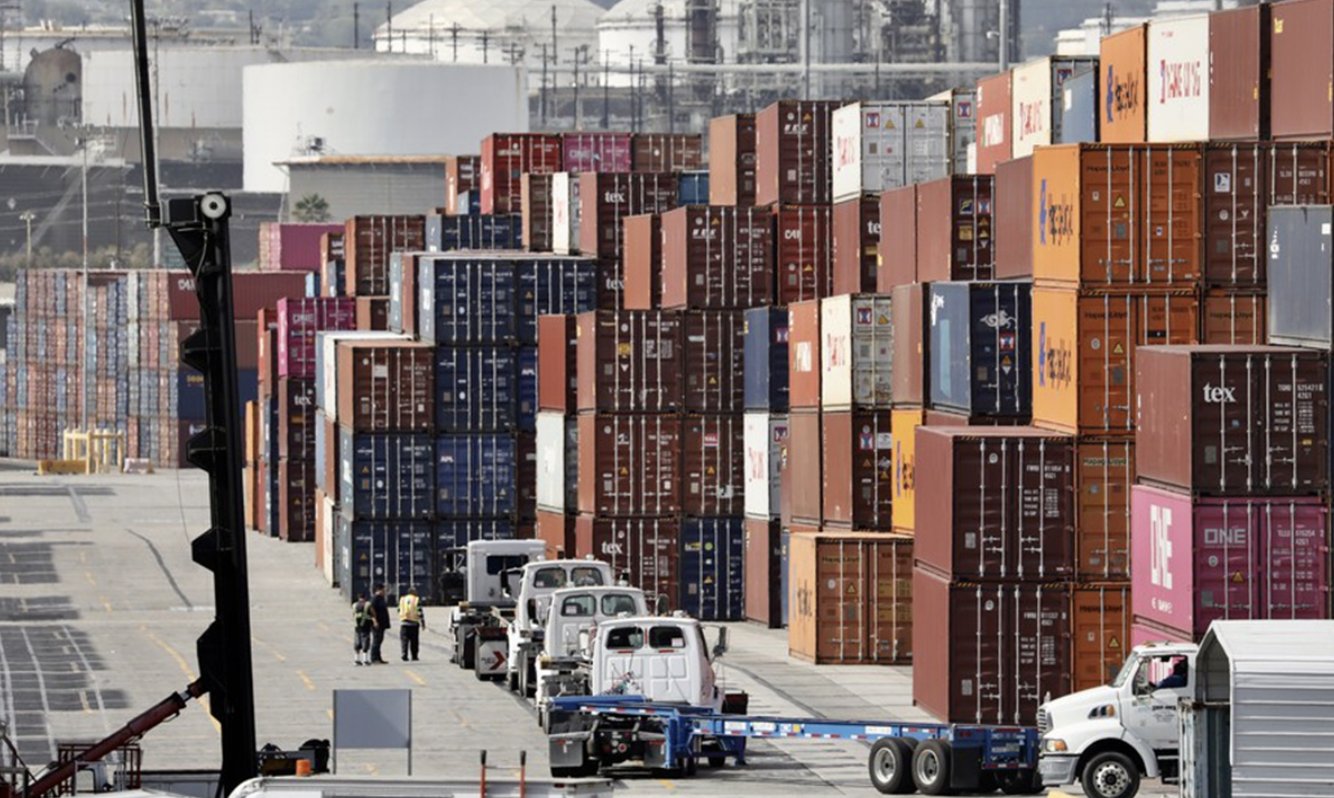
Rising Shipping Costs Are Reshaping Supply Chains
Over the past few years, Route adjustments, transit delays, and frequent rate fluctuations have become the norm. Logistics costs aren’t the predictable line item they used to be and become a constantly changing risk factor.
On top of that, a stack of hidden costs is piling up:
- Rising operating and insurance expenses.
- Warehousing, demurrage, and extra surcharges.
These layered costs are gradually spreading across the entire supply chain, quietly eating into profit margins.
In this environment, smart businesses aren’t just chasing lower logistics costs. Instead, they’re putting shipping stability first and working to tighten control across the entire supply chain.
By building more transparent, trackable processes and making delivery times far more predictable, they’re creating a truly resilient supply chain that can navigate the “new normal” of global trade without letting profits slip away.
Freight Rates Are in Constant Flux, Not Fixed
International shipping rates are the dynamic result of a mix of constantly changing factors, including space availability, supply-demand dynamics across different routes, seasonal shipping cycles, as well as geopolitical and policy-related disruptions.
What’s more, different routes behave differently. Major routes, like transpacific and Asia–Europe the emerging markets in Latin America, and regional Southeast Asia routes all have their own supply-demand structures and regulatory environments, which leads to clear divergence in rate movements
According to the latest UNCTAD report, this volatility is officially the "new normal." While rates on major East-West routes are swinging wildly at high levels, many regional routes are actually struggling with overcapacity.
This means businesses are no longer dealing with a “price increase” problem, but a constantly shifting and hard-to-predict system.
Where Margins Are Quietly Lost in Shipping
As a China-based sourcing agent, we work with over 4,000 clients across e-commerce sellers, brand owners, and small to mid-sized importers. In real operations, we see that rising logistics costs are not driven by freight rates alone, but more by inefficiencies built into supply chain structures.
The "Consolidation Trap"
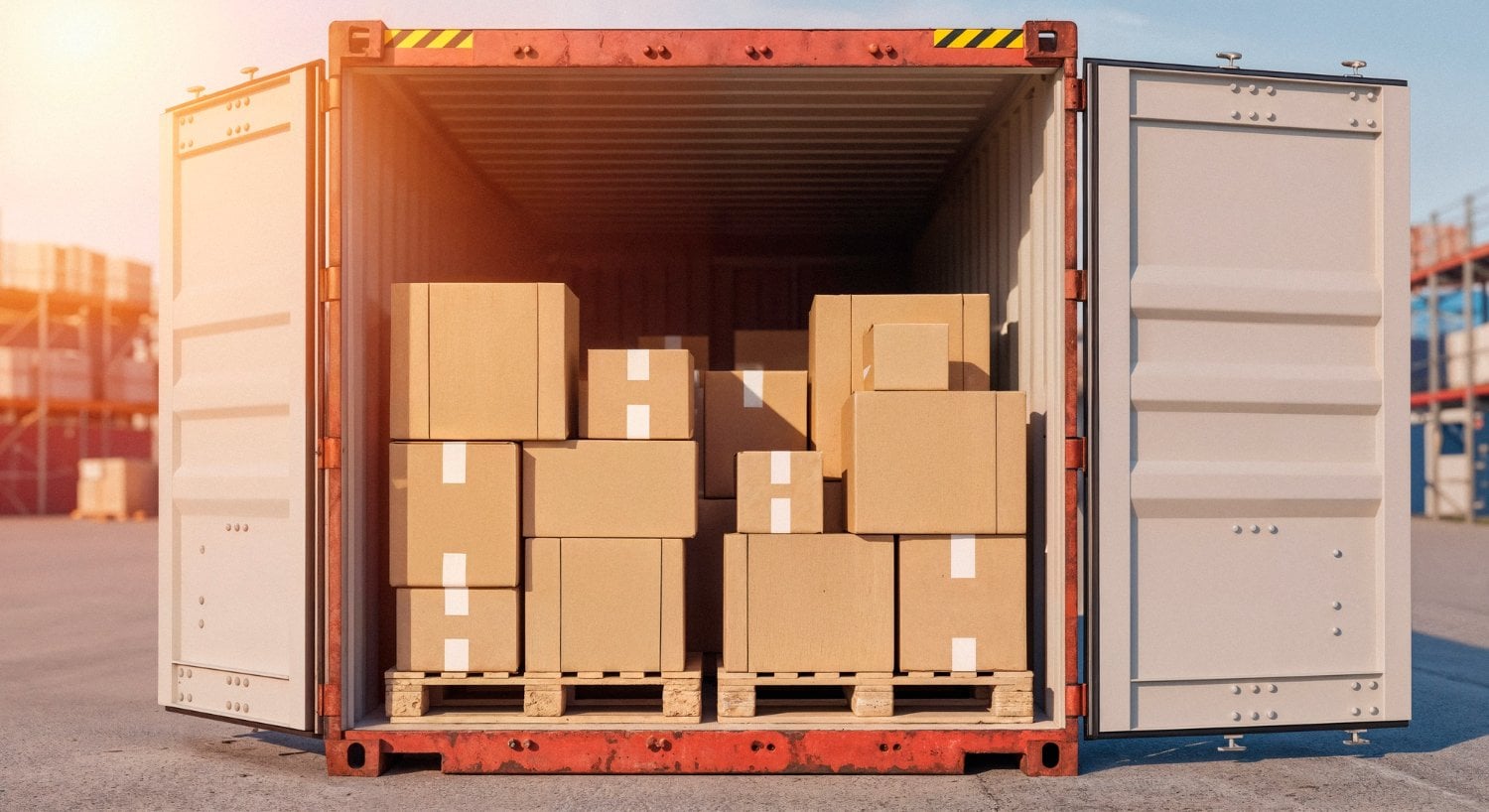
Many importers source from multiple factories, often with different production schedules and mismatched lead times. Without a consolidation point to combine shipments, cargo often has to be moved in multiple LCL shipments.
This leads to repeated LCL handling fees, higher coordination efforts across suppliers, and lower overall logistics efficiency. In some cases, the total cost of fragmented shipments can even exceed the value of the products themselves, putting significant pressure on margins.
Limited bargaining power and spot market exposure
Many of the small and mid-sized sellers we work with naturally have lower shipping volumes, which limits their bargaining power with carriers and freight forwarders.
Unlike larger companies that can lock in long-term contract rates, smaller importers often rely on spot rates, which makes them much more exposed to market volatility. During periods of space shortage, carriers also tend to prioritize high-volume clients, which further increases uncertainty and cost pressure for smaller shipments.
The cost of "small and frequent" shipments
For clients doing custom products or R&D, shipping often happens in small, fragmented batches for testing and restocking. These shipments are highly sensitive to delays.
- Because these small batches are usually tied to a specific launch date or inventory cycle, a single delay can lead to stockouts and missed sales windows.
- When that happens, businesses often have to resort to emergency air freight just to keep the lights on—a move that can wipe out months of profit in a single afternoon.
Hidden risks from customs and regulatory changes
In some cases, these risks are further amplified by changes in customs procedures or surcharge policies.
Even small documentation issues or regulatory updates can lead to delays, penalties, or additional inspections. Costs such as demurrage, detention, or even cargo returns are often not included in the initial freight quotation, but when they occur, their impact on margins is often far greater than any savings on base freight rates.
Turning Supply Chain Volatility into Controllable Logistics Operations
In today’s highly uncertain global trade environment, the focus of logistics optimization is no longer about fine-tuning a single freight rate or relying on a single shipping lane. Instead, it is shifting toward the systematic design of the overall logistics structure, so the supply chain becomes more flexible and resilient, and better able to absorb and respond to cascading disruptions caused by unexpected changes.
1. Build a fully transparent, end-to-end visible logistics system
The first step is improving transparency across the entire logistics process. This means shifting from a “shipment completed” mindset to a “shipment fully traceable” system.
This includes full visibility across every key stage: pickup, container loading, export customs clearance, vessel departure, destination arrival, import clearance, and final delivery. With end-to-end tracking in place, each node becomes visible in real time.
This level of transparency helps reduce information gaps, improves response speed when disruptions occur, and enables more accurate operational decision-making across the supply chain.

2. Create a flexible, multi-path and multi-carrier structure
On the transportation side, it’s time to ditch single-source dependency and build in real redundancy with multiple routes.
That includes:
- Partnering with several shipping lines
- Building diversified routing combinations
- Pre-planned fallback logistics routes
In actual execution, the focus is not simply on selecting the lowest-cost route, but on maintaining the ability to switch quickly when disruptions occur, ensuring more predictable transit times and stronger resilience across the supply chain.
3. Leverage digital prediction and smart optimization tools
Digitalization is becoming a core part of modern logistics decision-making, helping companies improve both forecasting accuracy and operational efficiency.
For example, logistics data platforms can be used to analyze freight rate trends, compare shipping routes, and estimate transit times, which helps improve routing decisions and planning accuracy.
In addition, smart warehousing systems, IoT-based tracking devices, and sensor-enabled packaging technologies are increasingly being applied to high-value or sensitive goods such as electronics, food products, and medical supplies. These tools shift logistics visibility from “after delivery” to “real-time during transit,” making supply chains more controllable and predictable.
4. Set Up Risk Monitoring and Emergency Response
Even with advanced systems in place, certain external risks cannot be fully eliminated. Events such as port congestion, sudden carrier suspensions, or unexpected policy changes require continuous monitoring and early signal detection. By leveraging data-driven logistics tools and real-time tracking systems, companies can set up monitoring mechanisms that help identify potential disruptions in advance, including port congestion alerts, carrier schedule changes, and updates in customs or compliance regulations.
On top of this, businesses need a standardized contingency response framework, including:
- Emergency roll-over handling procedures
- Destination port rerouting or transshipment solutions
- Shipment re-routing strategies in case of delays
- Pre-defined evaluation protocols for extreme scenarios such as cargo abandonment or alternative transport modes
By standardizing these response workflows, unpredictable disruptions can be converted into structured and executable operational actions, significantly reducing their impact on overall margin performance.
Explore more opportunities with SeaRates by [contacting us] according to your interest category