
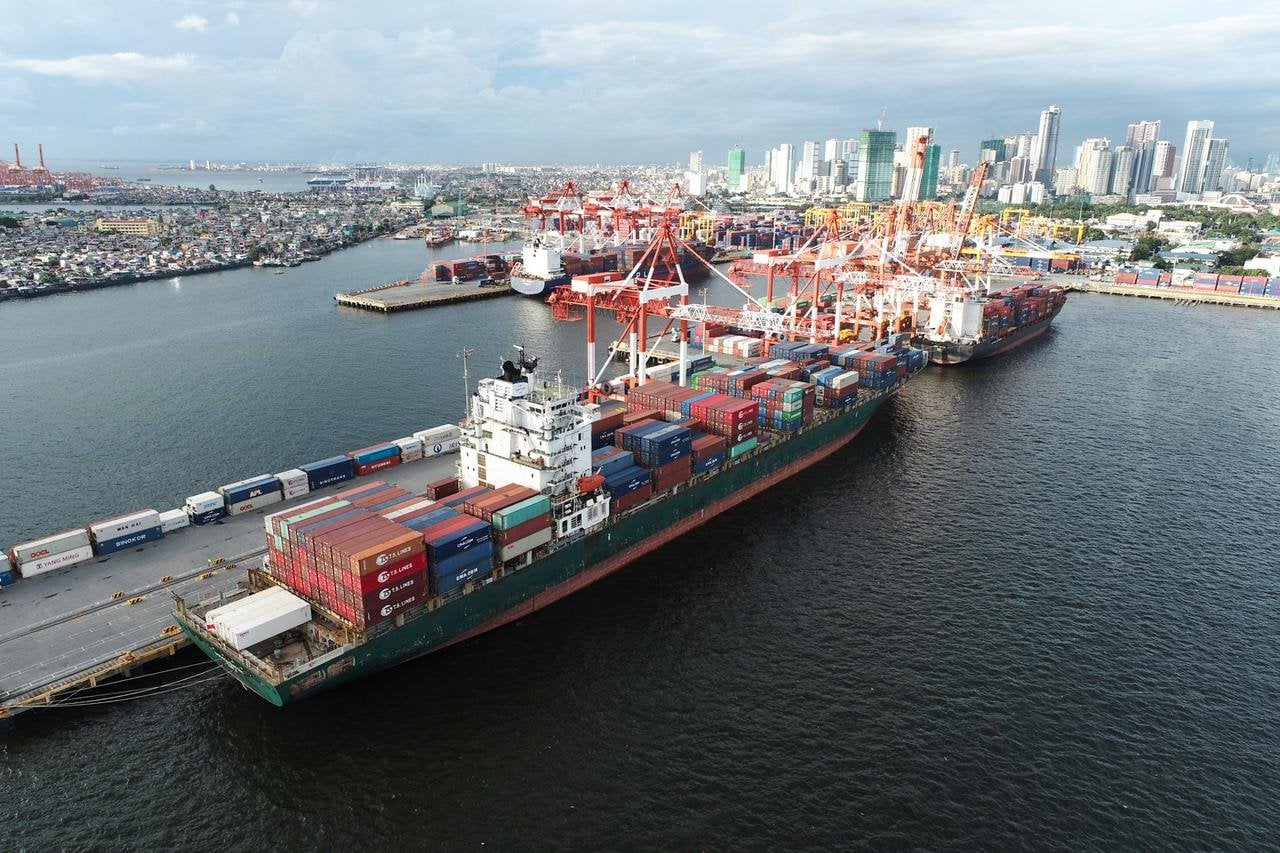
Looking for ways to handle the insane supply load and avoid the skyrocketing freight costs when carriers cancel flights at scale? In this article, let's consider ways to recover from another trade shock of the tariff war — blank sailings.
What are blank sailings?
A blank sailing occurs when a shipping line or carrier cancels a scheduled voyage or skips one or more planned port calls along a route. So, it is not delayed but simply not happening, as it has been removed. Blank sailing means fewer available sailings, unpredictable transit times, and potential delays in supply chain planning.
Blank sailings are necessary to manage overcapacity, stabilize freight rate indexes, or adjust to sudden shifts in demand, especially during uncertain trade conditions. This is a move aimed at restoring rate stability amid chaotic trade flows, but at the cost of losing network reliability and consistency.
What is behind the new wave of blank sailings?
The behavior of the global shipping industry is about to be completely changed by a wave of reasonable fears of the trade war between the US and China effect caused by Donald Trump's tariff proposals in 2025.
The current market is barely recovering from the increase in import duties; shippers are increasingly accelerating their shipments from Asia to outrun the next wave of tariffs, and global carriers are adapting by implementing blank sailings, especially on trans-Pacific and Asia-Europe routes.
❗️The main triggers:
📅“Front-loading” — demand distortion
As long-term planning of operations is impossible, importers accelerate shipments, and retailers and manufacturers stockpile goods to prevent potential freight rate increases, creating a surge in freight volumes followed by sharp declines. This volatility makes it difficult for carriers to adhere to agreed schedules.
⚠️Overcapacity
A potential decline in demand will cause an imbalance in trade flows, and carriers will have more vessels than they need. Idle voyages are used to artificially limit space, which helps prevent spot rates from collapsing.
📉 Port bottlenecks
In particular, Chinese ports have faced an excess of trade flows and urgent shipments to US ports due to the increase in tariffs. Delays in these hubs affect the entire supply chain, forcing flights to be canceled.
Market crisis overview
Carriers are not just cutting sailings on the busiest routes; they’re rebalancing entire networks, and this affects both intra-Asia trade to European hinterland flows.
- Asia — North America (West Coast): total capacity decreased by 12% over six weeks, from 1.43 million to 1.37 million TEU
- Asia — North America (East Coast): down 14% from 1.01 million to 867 thousand TEU
- In peak weeks, up to 28% and 42% of weekly capacity on these routes may be lost due to massive empty voyages
- U.S. ports, including Los Angeles and Long Beach, report average vessel delays of 7-10 days. Unstable shipping volumes are putting a strain on warehouse infrastructure
- As of April 17, 2025, the Drewry World Container Index (WCI) stood at $2,192 per 40-foot container, down 3% from the previous week
🌐Asia–Europe trade lane reconfiguration
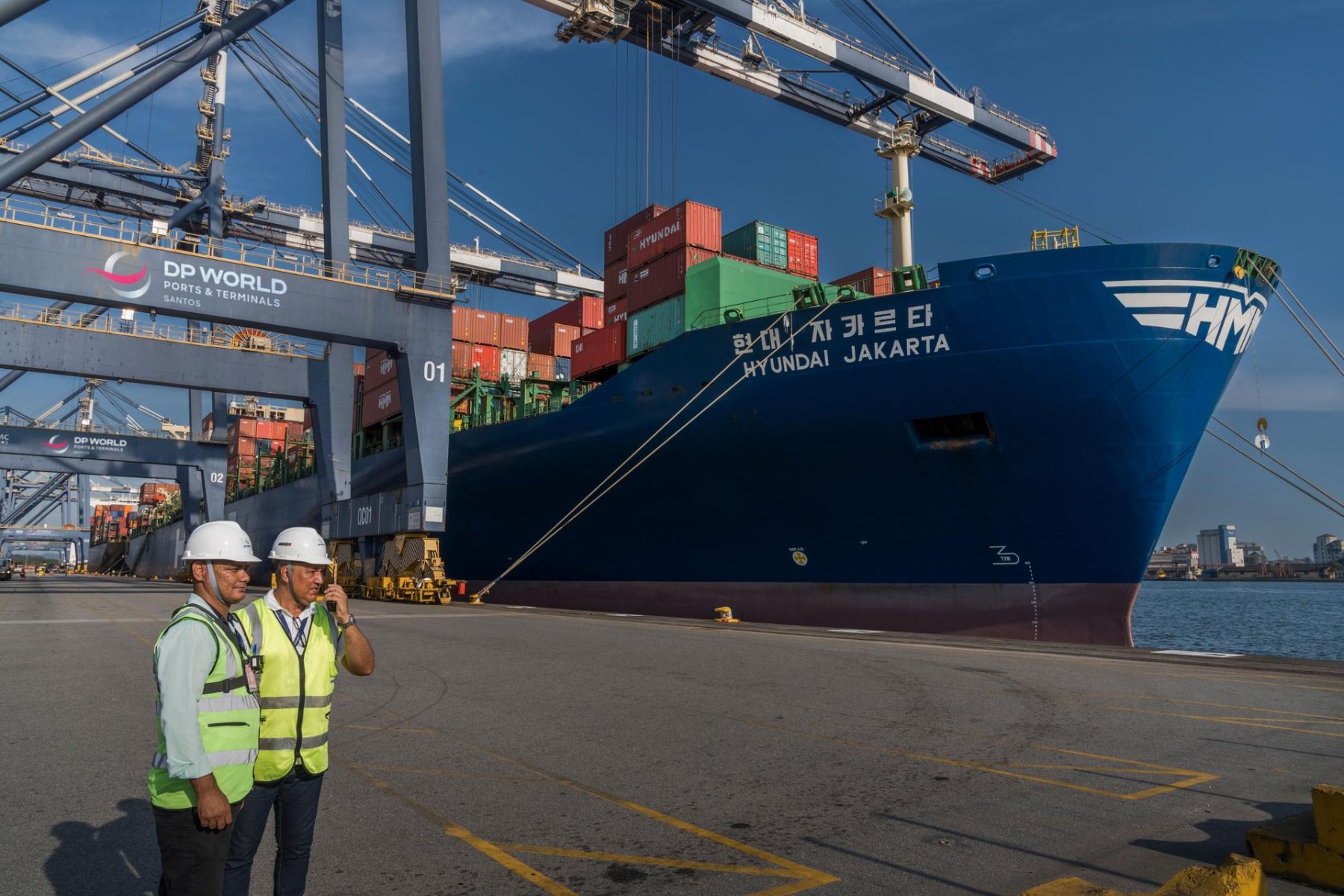
Scheduled services between major Chinese ports and the US have been either suspended or rerouted via Mediterranean hubs. Feeder networks have strained, and transshipment delays have increased. Smaller European ports are struggling to manage volume fluctuations.
💰Turbulence contracting
Blank sailings have also caused an imbalance between contract reliability and market risk. Smaller shippers (SMEs without volume leverage) are being bumped off services despite signed contracts. Meanwhile, large BCOs are renegotiating long-term deals with carriers, trading higher base rates for priority space guarantees. A two-tier service landscape where access is becoming more valuable than price.
🔄Strategic moves by carrier alliances
Major alliances like Ocean Alliance and THE Alliance have consolidated services under fewer destinations. While schedule reliability remains above 85%, the frequency of real weekly sailings has dropped. Some alliance members are prioritizing vessel utilization over market share, choosing to blank multiple sailings rather than execute logistics with underbooked vessels. This favors profitability for logistics providers but is inappropriate for shippers reliant on fixed timetables.
To cope, shippers are adopting multi-layered responses:
- Nearshoring production to Southeast Europe or Mexico
- Diversifying through regional ports (e.g., Gdańsk, Valencia, Savannah)
- Relying more heavily on air freight for time-sensitive cargo
- Using digital freight platforms to access real-time capacity shifts
Looking ahead
Q3–Q4 may deepen the divide. Without a calm peak season, the second half of 2025 may even dig the gap deeper in the split market, where only agile and well-connected shippers secure their cargo spaces. Fluctuation in rates, locking of capacity, and skipping ports at the last minute could emerge as a new norm.
Blank sailings impact
| Parameter | Impact on the market | Forecast |
| Higher prices | Increase in consumer pricing | Rising import costs: clothing, electronics, furniture, and food (including imported fruit). Inflationary pressures are due to disruptions in supply chains |
| Shortage of goods | Goods lacking in warehouses | Prolonged supply delays and increased risk of shortages of consumer goods |
| Tariff uncertainty | Increase in freight tariffs | Ongoing trade tensions between the US and China, which lead to higher transportation costs and inflation in the economies of importing countries |
| Turbulence import | Decrease in imports to the US | Lower imports as a result of ongoing logistical difficulties and the tariff war |
| Supply diversification | New routes to exploring (Vietnam, India, Mexico) | Restructuring supply chains is useful for new markets that can benefit from diversification, but this process takes time and can lead to extra costs and disruptions |
| Risks for carriers | Short-term gains from empty flights, long-term losses | Decreased loyalty among shippers due to frequent blank sailings |
Must-do tips to cope with blank sailings
📦For retail:
- Expect and prepare for delays with international orders
- Keep an eye on price changes for imported goods (clothing, electronics, groceries)
- Compare prices between suppliers or carriers to avoid overpayments
- Plan your purchases to avoid shortages
🌐For enterprises:
- Review your supply chain dependencies
- Diversify suppliers and routes
- Implement real-time cargo tracking tools
- Assess risks with predictive analytics and make data-driven decisions
- Consult with experts to develop customized strategies
- Prepare a stock of goods in case of delays and shortages
Track your shipments: Visibility on any changes
How to get instant alerts about any shipping shifts — route changes, delays, customs events, and others? Manage up to 25 exceptions for your shipments for up-to-the-minute info on your cargo movement. All of it is possible with the Container Tracking by SeaRates:
- Instant tracking by container, BL, and booking number;
- Real-time updates from more than 200 worldwide shipping lines and leasing companies in one tool;
- Details about routes, transit time, Predictive ETA & other logistics events, voyages, and more;
- Forecast potential delays and manage 25 shipment exceptions.
Right now, smart logistics planning is critical.
Find out more about Container Tracking web integration and API connection for proactively executing your logistics
Interested in smooth logistics solutions tailored to your requirements? You’re always welcome to contact the SeaRates team at [email protected]. We are expecting to assist you with your nowadays shipping needs.