

A 25% customs tariff on imports from Japan and South Korea is another challenge for global logistics in 2025, which once again prompts us to look for new ways to resist the huge pressure.
In such crises, we cannot only avoid risks but also gather real opportunities that a flexible logistics business will take advantage of. New trade implementations are only expected but have already wreaked chaos across countries, which means it's the right time to reroute your supplies, check shipping contracts, and review transportation costs.
Let's remain alert to the upcoming challenges and prepare with effective crisis scenarios now.
Short but big news
Key statement: On July 7-8, 2025, the US administration announced and sent official letters to 14 countries notifying them of the imposition of 25% “reciprocal” tariffs on imported goods of all and every category. The new tariffs are expected to take effect on August 1, 2025, which is the deadline for reaching other trade agreements.
The full list of countries that've been subject to customs tariff increases:
- Japan — 25%
- South Korea — 25%
- South Africa — 30%
- Kazakhstan — 25%
- Laos — 40%
- Malaysia — 25%
- Myanmar — 40%
- Tunisia — 25%
- Bosnia and Herzegovina — 30%
- Indonesia — 32%
- Bangladesh — 35%
- Serbia — 35%
- Cambodia — 36%
- Thailand — 36%
Later, within a month, a wider list is expected.
However, we shouldn’t only emphasize the threatening tone of Donald Trump's letter, as the one contains possibilities for modification, namely, adjustments upward or downward, depending on mutual actions, market access, and readiness to produce products in the United States.
Legal basis
Congress has the power to regulate trade with foreign countries, as enshrined in the US Constitution. However, part of the Congress's authority is delegated to the President, which allows him to impose tariffs in certain cases according to the following acts:
| Legislative act | The President's powers were approved |
| Trade Expansion Act of 1962 | to impose tariffs on imported goods if their entry threatens the national security of the United States |
| Trade Act of 1974 | to impose temporary tariffs of up to 15% for 150 days to resolve balance of payments problems |
However, in May 2025, the U.S. Court of International Trade ruled that the Trump administration had exceeded its authority by using the International Economic Emergency Powers Act (IEEPA) to impose tariffs without proper legal justification.
The administration has appealed, and the case is scheduled to be heard by the U.S. Court of Appeals for the Federal Circuit on July 31, 2025. The final legal position is not yet clear.
Analyze the impact
Foremost, the impact of the increase in customs tariffs for Japan and South Korea, as the largest economies in the world, is highlighted.
- Controversial context: The additional 25% tariffs conflict with the current US-Korea Free Trade Agreement (KORUS) and the US-Japan Agreement, allowing the two countries to enter into legal disputes and seek compensation.
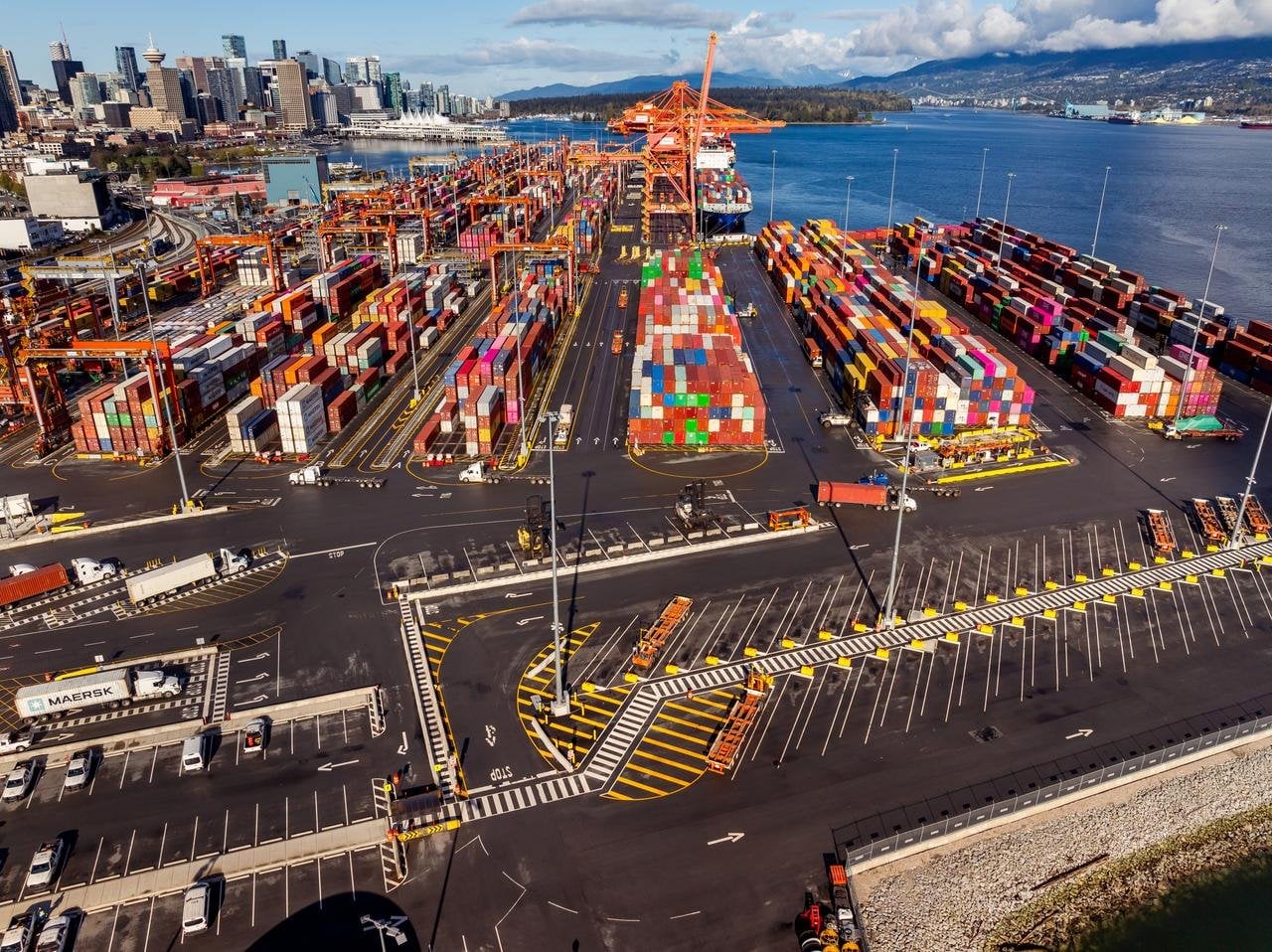
- Global logistics: Supply chains will need to be rerouted, which increases transportation and insurance costs.
- Increased costs: Compared to March and July 2025, the price of imported goods is expected to increase by 3%, and that of competitive domestic goods by 2%.
- Economic effects: The United States expects to gain $300 billion in revenue in 2025 due to the introduction of tariffs, but at the same time, it may lead to inflation and a decrease in the purchasing power of the population. Japan expects GDP to decline by 0.8%, and South Korea by 0.5%.
Review across industries
| Industry | Impact on the United States | Economic context in South Korea and Japan | Increased costs for the U.S. | |
| Automotive industry | Decrease in demand by 10-15%; losses of up to $30 billion per year. | Japan: $129 billion from automotive products (3% of GDP); South Korea: $28 billion from auto parts exports | Car prices will rise by 25%, and demand will decline | |
| Technology and electronics | Electronics prices to rise by 10-15%; costs up to $20 billion per year. | Production costs for Samsung ($210 billion in annual revenue) will increase by $30 billion | Prices for chips, OLED panels, and batteries will increase by 25% | |
| Pharmaceuticals | Medicine spending will increase by $51 billion a year. | In Japan, the pharmaceutical market is estimated at $82.27B and in South Korea $28.83B over the past year | Prices for medicines will increase by 12.9% | |
| Electricity | Price increase by 5-7%; costs of up to $5 billion per year | The cost of energy components will increase by 10-15% | The cost of electrical components will increase by $5-7 billion | |
| Fashion and textiles | Price growth by 5-10%; losses of up to $3-5 billion per year | South Korea: $10.5 billion in textile exports | Prices for clothing and textiles will increase by 5-10% | |
| Chemical industry | Price growth of 8-12%; costs up to $2-4B per year | The value of chemical exports from Japan is $45 billion | The cost of chemicals will increase by 8-12% | |
| Aviation industry | Price on aircraft parts by 8-10%; costs up to $1-2B per year. | Japan and South Korea: $25 billion in exports of aircraft components | The cost of air transportation will increase by 8-10% | |
| Agriculture | Increase in food prices by $1-2 billion per year | A decrease in imports of agricultural products by 5-7% | Food prices will increase by $1-2 billion |
Why now?
Donald Trump explained the imposition of tariffs to reduce the significant trade deficits that the United States has with Japan and South Korea. In addition, it is critical to consider the political situation, as Japan is currently in the midst of an election campaign and political changes in South Korea, which could complicate negotiations.
Losses to the global economy are estimated at up to $1.4 trillion. Carriers will face the need to adjust their routes and tariffs, and shippers will face higher shipping costs, which could lead to higher final product prices.
Countermeasures and global trends
What are the Japanese and Korean styles of adaptation and countermeasures?
1. Businesses investing in partial production in the United States
Toyota, Hyundai, Kia, and other automotive companies are considering partial relocation of production to reduce transportation costs. For example, Toyota is already investing $13 billion to expand its production capacity in the United States.
2. New suppliers, new routes
Both suppliers and routes are diversifying. Japan and South Korea are actively seeking new trading partners in Southeast Asia and Europe.
3. Appeal to the WTO
Japan and South Korea both appealed to the WTO to review the unilateral trade projects of the United States for compliance with international trade agreements, as the tariffs imposed contradict them.
4. New logistics strategy — what is it?
The choice of alternative ports, investments in regional infrastructure, and digital technologies for logistics and trade management. All of this will help to reduce costs and shorten delivery times, as well as reduce dependence on the American consumer.
Plan on how not only to survive, but to profit
Start predicting instead of delayed reacting.
How to get better contracts?
There are several life hacks and tips you can use for this purpose:
- Include price adjustment clauses depending on customs tariffs. For example, approve a 3% price change for every 5% increase in customs rates, and so on.
- Consider establishing indexation as a price adjustment in the contract based on economic indicators, such as inflation or raw material prices. Thus, you can agree to adjust the supply costs under the consumer price or freight index, for example, every 3 months.
- Specify in the contract changes in supply volumes without penalties in the event of changes in customs rates to adapt to volatile demand.
- Take advantage of a certificate of origin from the supplier. The use of certificates of origin can reduce customs costs due to the benefits for goods from countries with which free trade agreements have been signed.
- Include the terms of review after a certain period: Dynamic contract terms with the possibility of revising the terms every 3–6 months in case of changes in customs rates.
Calculate the risks
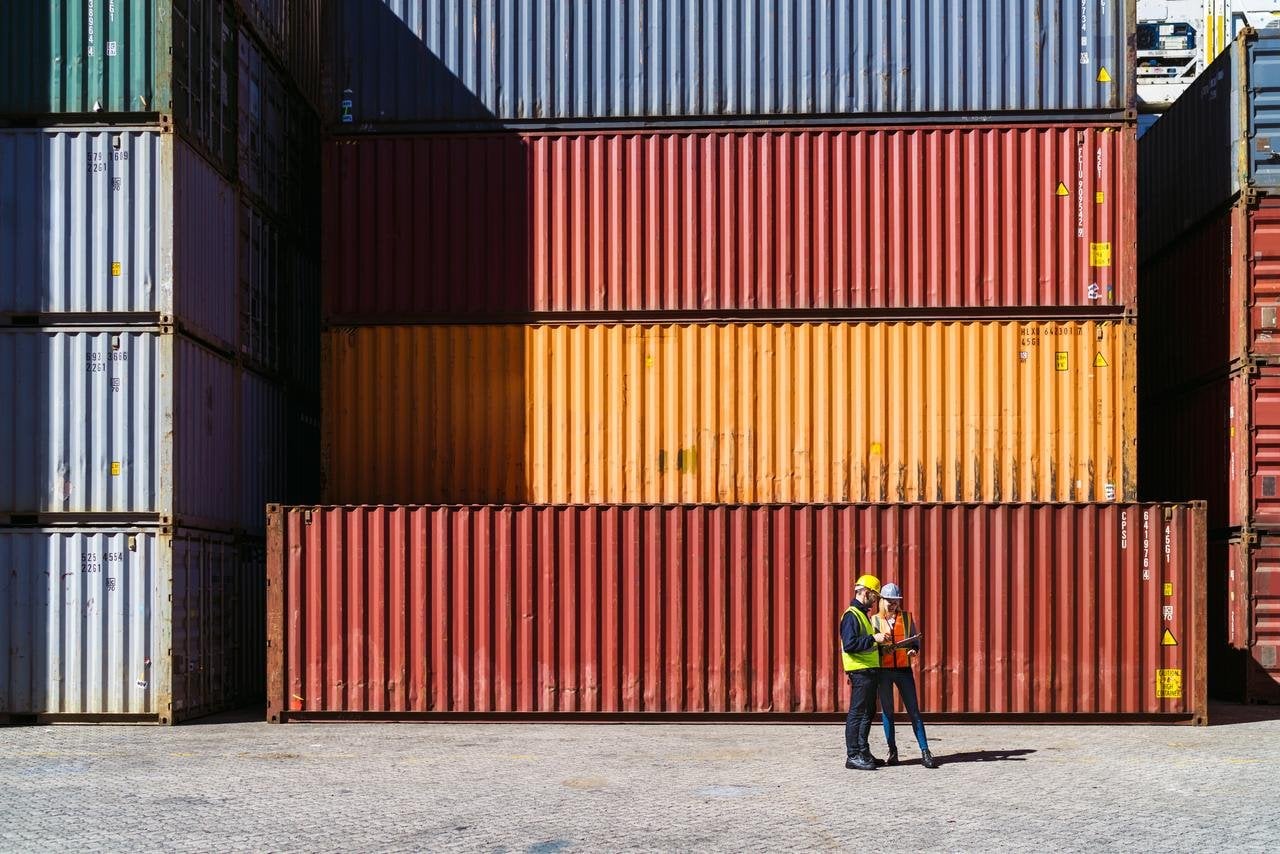
- Analyze and forecast freight rates: Accurate calculations allow you to assess the impact of tariffs on your budget and adapt pricing strategies.
- Compare alternatives: Find the best value among a selection of market offers, carriers, and routes to reduce shipping costs.
Monitor your budget and respond quickly
- Instant access: At any time, you should have access to a real-time freight rate calculator from reliable logistics providers. Such a tool allows you to respond quickly to any market changes.
- Analyze the effectiveness: Review and adjust current strategies in response to changes in customs policy and the economic environment to maintain stability in your business processes.
Find out more about Logistics Explorer web integration and API to adapt your trading for profit
Striving for comprehensive control of supplies and transportation budget to avoid hidden costs and delays? Reach out to us at [email protected] for streamlined and tailored logistics solutions.