
Week covered: June 8–15, 2026
This weekly logistics digest covers key industry updates from June 8–15, 2026, focusing on port congestion, carrier network changes, infrastructure development, customs checks, and shipment visibility.
Global logistics moved through another challenging week with port congestion, carrier network adjustments, infrastructure upgrades, and stronger customs enforcement shaping the movement of goods across key trade lanes.
For shippers, freight forwarders, and logistics teams, transparency is achieved when they can see not only where cargo is but also why delays happen, how port congestion affects schedules, when transshipment points change, and whether customs checks may impact delivery timelines. Below are the key industry updates and what they mean for supply chain visibility.
MSC Adjusts South Asia Services and Hub Operations
MSC is reportedly restructuring parts of its South Asia service carrier network and changing hub operations across regional trade lanes. This way, for cargo moving to and from India, Sri Lanka, Bangladesh, and nearby markets, such adjustments may affect transit times, transshipment points, vessel connections, and overall schedule reliability.
This is not only about operational updates, as carrier network changes directly influence booking decisions, cut-off planning, and expected arrival windows. When a shipment depends on transshipment, even a small hub adjustment may create downstream delays across the entire route.
Vessel monitoring must include tracking of departures, the full routing path with intermediate ports, and connection reliability.
Port Congestion Spreads Between North Europe and East Asia
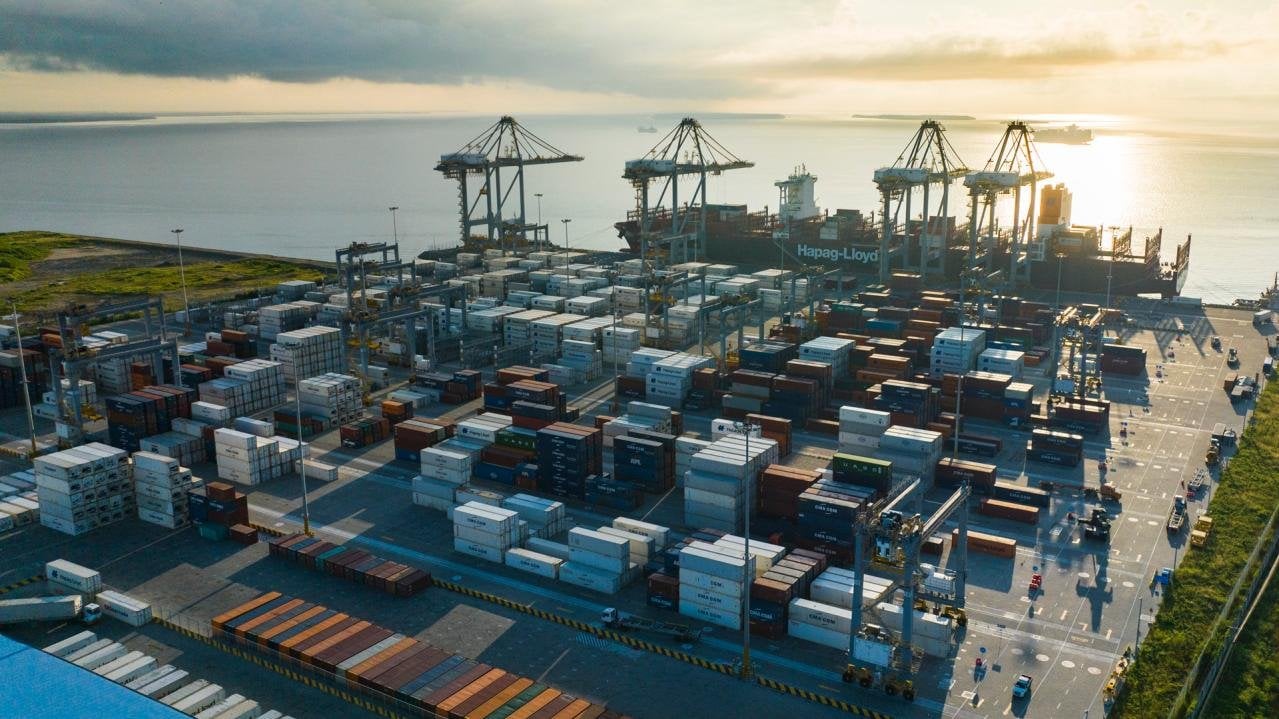
One of the biggest pressure points in global shipping remains port congestion. Currently, delays between North Europe and East Asia are becoming more interconnected, with late departures affecting arrival windows and creating further pressure on berth availability.
This type of disruption can quickly become a cycle:
- Firstly, a delayed vessel misses its planned window at the next port;
- Then waits for a new berth slot;
- Finally, causes further delays for cargo that depends on the same service rotation.
As a result, shippers may face rolled cargo, missed cut-offs, longer transit times, and a higher risk of demurrage or detention charges.
A shipping solution for importing and exporting operations is real-time container tracking with live delay alerts. Port congestion is not a static market update, so it should be treated as a live risk, requiring timely responses — operational management across upcoming stages of the supply chain and clear customer communication based on real-time cargo updates.
Savannah Ocean Terminal Upgrade Reaches 55% Completion
In the United States, the Georgia Ports Authority reported that the renovation of Ocean Terminal in Savannah is 55% complete. The project is part of a broader effort to improve port infrastructure and support future cargo growth.
Infrastructure upgrades are a long-term response to congestion and capacity pressure. While they may not solve current delays immediately, expanded and modernized terminal capacity can improve cargo handling, support mixed cargo flows, and strengthen port resilience during peak periods.
For shippers using the U.S. East Coast, terminal development is worth monitoring because it may influence routing options, port selection, and long-term supply chain planning.
Stronger Customs Checks Add Another Layer of Delay Risk
Customs enforcement and inspections in North America also remain important for logistics planning. Increased checks on counterfeit and non-compliant goods can create additional customs holds, documentation reviews, and cargo release delays.
This is where shipment visibility goes beyond basic location tracking. A container may appear to have arrived at the port, but the real business question is whether it is available for release. Customs status, inspection risk, missing shipping documentation, and compliance issues can all affect final delivery.
For freight forwarders and shippers, better visibility into customs-related milestones helps reduce uncertainty and improve customer communication.
Why Shipment Visibility Matters More in 2026
The latest logistics updates point to the same conclusion: supply chains are becoming more complex, and delays are increasingly caused by multiple connected factors.
A shipment may be affected by port congestion, a changed transshipment hub, a missed connection, infrastructure pressure, customs checks, or documentation issues. Without real-time visibility, these problems are often discovered too late.
Modern logistics teams need tools that help them monitor:
- container location and vessel movement;
- port congestion and schedule reliability;
- transshipment delays;
- customs holds and release status;
- predictive ETA changes and risk alerts;
- inland delivery milestones.
Key Takeaways
Logistics visibility has moved from a nice-to-have feature to a core requirement for managing freight risks, controlling costs, and keeping customers informed.
As port congestion, carrier network changes, infrastructure pressure, and customs checks continue to affect global trade, companies that use real-time shipment tracking and proactive delay monitoring will be better prepared to manage uncertainty.
To move beyond basic cargo location updates and predict what could delay a shipment next, explore the SeaRates Tracking System for all shipping modes or contact our logistics team at [email protected].
FAQs
How can real-time shipment tracking help during port congestion?
Real-time shipment tracking helps shippers monitor vessel movement, ETA changes, missed port calls, and possible delays before they affect final delivery. During port congestion, live tracking allows logistics teams to adjust plans earlier and communicate more accurately with customers.
Why is predictive ETA important for shippers and freight forwarders?
Predictive ETA helps shippers and freight forwarders understand when cargo is likely to arrive based on real-time events, not only the original schedule. This supports better planning, customer communication, and delay management.
What should shippers monitor when carrier networks change?
When carrier networks change, shippers should monitor updated routing, transshipment ports, vessel connections, cut-off dates, sailing schedules, and ETA reliability. Even small changes in a hub or service rotation can affect delivery timelines.
Why do customs holds create supply chain visibility gaps?
Customs holds create visibility gaps because cargo may arrive at the port but remain unavailable for release. Shippers need visibility into customs status, inspection milestones, documentation issues, and release updates to avoid unexpected delivery delays.
How does container tracking improve supply chain visibility?
Container tracking improves supply chain visibility by showing cargo movement, vessel status, port events, ETA changes, and possible delay risks across the shipping route. It helps logistics teams move from reactive updates to proactive shipment management.