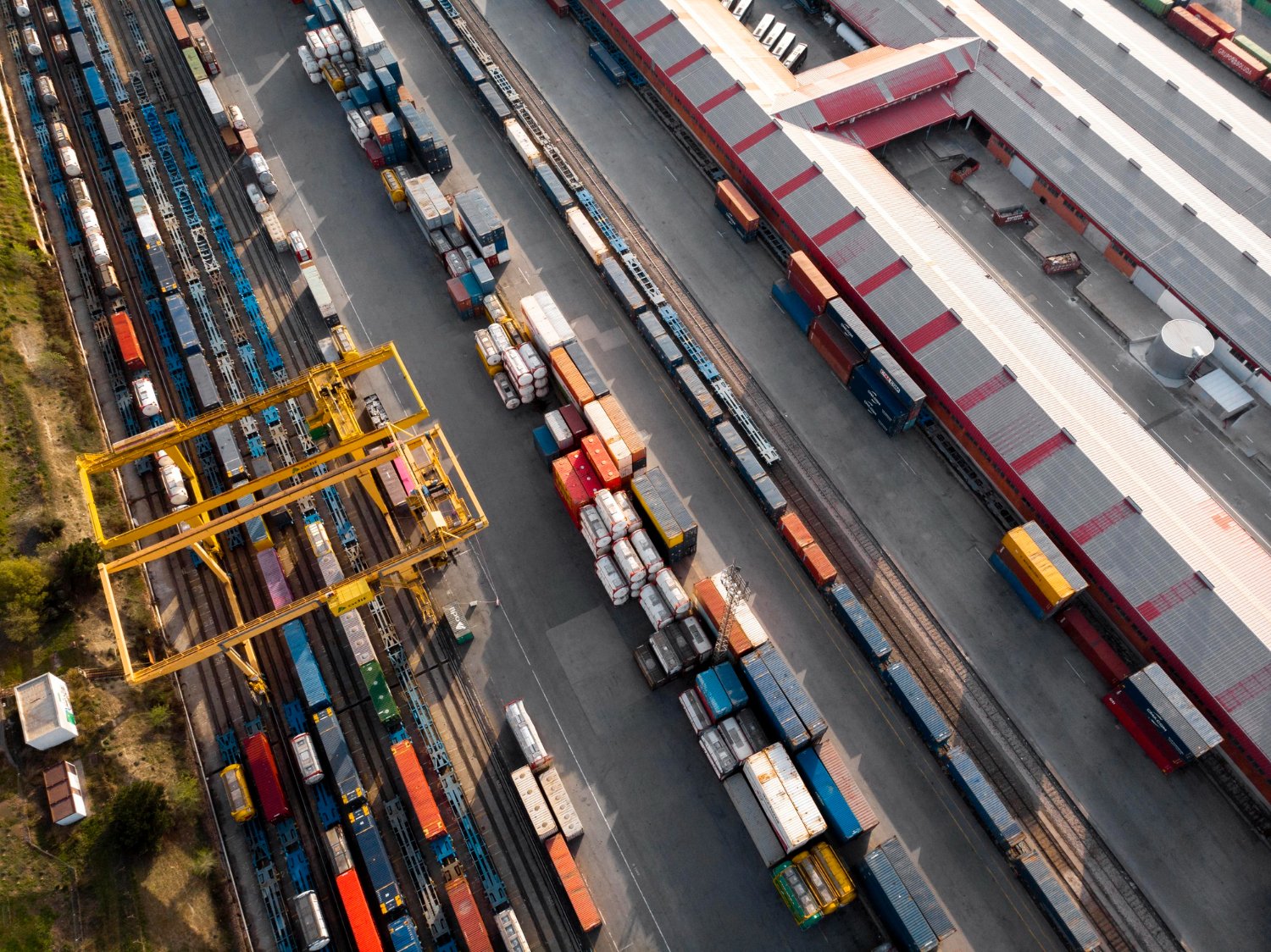
In freight and shipping, protecting cargo during transit is just as important as moving it efficiently from point A to point B. Goods are often exposed to fluctuating temperatures, humidity, vibration, and long transit times, all of which can affect product integrity. Insulation plays a critical role in minimizing these risks by helping regulate temperature, manage condensation, and preserve cargo quality throughout the supply chain.
For logistics operators, freight forwarders, and shipping managers, understanding how insulation functions within transport environments is essential. Working with experienced insulation suppliers can help ensure that insulation solutions are fit for purpose, compliant with industry standards, and suited to the specific demands of freight and shipping operations.
The Role of Insulation in Modern Logistics
Insulation in freight and shipping is primarily used to control heat transfer. During transit, cargo may be exposed to extreme external temperatures, whether crossing hot climates, cold regions, or fluctuating conditions across multiple transport modes.
Without adequate insulation, temperature-sensitive goods can degrade, spoil, or lose effectiveness. Even cargo that is not traditionally considered temperature-sensitive can be affected by prolonged exposure to heat or cold, leading to warping, condensation damage, or compromised packaging.
Insulation acts as a barrier that slows temperature change, creating a more stable internal environment during transport.
Protecting Temperature-Sensitive Cargo
One of the most critical applications of insulation in freight is the transport of temperature-sensitive goods. This includes food products, pharmaceuticals, chemicals, and certain industrial materials.
Insulated containers, liners, and packaging help maintain required temperature ranges for extended periods, particularly when combined with refrigeration or controlled atmosphere systems. In cold chain logistics, insulation reduces reliance on active cooling systems, improves energy efficiency, and provides an additional layer of protection if mechanical systems fail.
Maintaining temperature stability is not only a quality issue but also a compliance requirement in many regulated industries.
Managing Condensation and Moisture Risks
Temperature fluctuations during shipping can lead to condensation forming inside containers or packaging. Moisture buildup is a common cause of cargo damage, especially for goods such as electronics, paper products, textiles, and metal components.
Insulation helps reduce the likelihood of condensation by limiting temperature differentials between the interior and exterior of containers. By slowing heat transfer, insulation minimizes the conditions that cause moisture to form, protecting cargo from corrosion, mold, and packaging failure.
Effective insulation is often used alongside desiccants and vapor barriers to manage moisture risks in long-distance shipping.
Insulation in Shipping Containers
Standard shipping containers are constructed from steel, which conducts heat rapidly. Without insulation, containers can become extremely hot or cold depending on external conditions.
Insulated shipping containers are designed to reduce this heat transfer, creating a more controlled internal environment. Insulation may be installed as panels, linings, or integrated systems depending on the cargo type and transport duration.
In some cases, insulation is retrofitted to existing containers to improve performance without the cost of full container replacement. This approach is particularly valuable for specialized freight or repeat shipping routes.
Energy Efficiency and Cost Control
Insulation contributes directly to energy efficiency in freight operations. In refrigerated or temperature-controlled transport, insulation reduces the workload on cooling or heating systems, lowering energy consumption and operating costs.
Over long distances or extended storage periods, even small efficiency gains can result in significant cost savings. Insulation also helps stabilize internal temperatures during loading, unloading, and temporary storage, reducing temperature spikes that increase energy demand.
From a commercial perspective, insulation supports both operational efficiency and sustainability goals.
Reducing Cargo Damage and Claims
Cargo damage is a major concern in freight and shipping, leading to insurance claims, delays, and reputational risk. Temperature extremes and moisture are among the most common causes of damage.
By improving environmental control during transit, insulation helps reduce the likelihood of spoilage, deformation, or deterioration. This leads to fewer claims, improved customer satisfaction, and greater confidence in logistics processes.
For freight operators, investing in appropriate insulation solutions can deliver measurable returns through reduced losses and improved reliability.
Supporting Compliance and Quality Standards
Many industries have strict standards governing the transport of goods. Pharmaceuticals, food products, and hazardous materials often require documented temperature control and environmental protection throughout the supply chain.
Insulation plays a key role in meeting these requirements by supporting consistent transport conditions. Properly designed and installed insulation helps demonstrate due diligence and compliance with industry regulations, quality assurance protocols, and contractual obligations.
Failure to manage temperature and moisture risks can result in rejected shipments, regulatory penalties, or loss of accreditation.
Insulation Across Different Transport Modes
Freight and shipping often involve multiple transport modes, including road, rail, sea, and air. Each mode presents unique environmental challenges.
Insulation provides continuity of protection across these transitions. For example, cargo moving from refrigerated trucking to sea freight may experience delays or exposure during port handling. Insulation helps buffer against these variations, maintaining more consistent internal conditions despite external changes.
This flexibility makes insulation a valuable component of multimodal logistics strategies.
Choosing the Right Insulation Solution
Not all insulation solutions are the same. Factors such as thermal performance, moisture resistance, weight, durability, and installation method must be considered when selecting insulation for freight applications.
The choice of insulation depends on cargo type, transport duration, climate exposure, and regulatory requirements. Consulting experienced insulation specialists ensures that solutions are tailored to operational needs rather than relying on generic products.
Proper specification and installation are critical to achieving the intended performance benefits.
Long-Term Value of Insulation in Shipping Operations
While insulation represents an upfront investment, its long-term value is realized through improved cargo protection, reduced energy use, lower damage rates, and enhanced operational efficiency.
As supply chains become more complex and customer expectations continue to rise, insulation plays an increasingly important role in maintaining quality and reliability in freight and shipping.
Insulation as a Strategic Freight Asset
Insulation is more than a technical detail in freight and shipping. It is a strategic asset that supports cargo protection, compliance, efficiency, and cost control. By managing temperature and moisture risks, insulation helps ensure that goods arrive in the intended condition, regardless of distance or environmental exposure.
For logistics operators seeking to improve performance and reliability, understanding and implementing effective insulation solutions is an essential part of modern freight management.
Explore more opportunities with SeaRates by [contacting us] according to your interest category