
Planning a journey through high-stakes territories requires a perspective that looks far beyond the simple blue lines of a GPS screen. While most drivers focus on the fastest arrival time, security professionals look at the invisible layers of risk that define a transit corridor. Every mile of road carries a potential story.
Physical security is not a reactive measure that starts when a problem occurs on the highway. True protection begins in the staging area with a meticulous look at the environment where the vehicle will operate. Identifying the baseline of normal activity allows a team to recognize the subtle anomalies that signal trouble.
Investing in deep intelligence ensures that the logistics team remains several steps ahead of any bad actors who might be watching the route. By conducting a route risk assessment, operators can identify the specific vulnerabilities of a trip and implement strategies to mitigate those dangers effectively. This approach turns a journey into a manageable operation.
Identifying High Risk Zones
Identifying potential choke points is the first step in mapping out a secure path through any urban or rural environment. These are locations where the vehicle must slow down or stop, such as narrow bridges, busy intersections, or construction zones that limit maneuverability. A driver stuck in traffic is a sitting duck.
Historical data serves as a vital guide for predicting where future problems are likely to occur along a specific transit line. Recent incident reports reveal patterns of criminal activity or civil unrest that might not be visible to the casual observer. By analyzing where others faced trouble, a team builds a defensive strategy.
High risk zones often change based on the time of day or the local political climate of the region. What is a safe passage at noon might become a dangerous bottleneck after the sun goes down or during a holiday festival. Integrating background knowledge ensures that the team is never caught off guard.
Mapping Egress and Safe Havens
Analyzing the physical terrain is essential for identifying emergency egress points that allow a driver to escape a dangerous situation quickly. In a high pressure environment, knowing exactly where a side road leads can be the difference between a successful evasion and a total loss. The infrastructure must support the vehicle weight.
Medical evacuation points and local trauma centers must be identified and mapped out before the wheels even start rolling. If an injury occurs during transit, the team cannot afford to waste precious minutes searching for a hospital equipped to handle the emergency. These locations are treated as vital nodes in the network.
Safe haven locations provide a secure place for the team to regroup if the primary plan goes sideways for any reason. These spots are vetted for their physical security and their proximity to the main route to ensure they are reached easily. Mapping these traffic patterns gives the security team the confidence.
Monitoring Real Time Intelligence
The importance of real time intelligence feeds cannot be overstated when a vehicle is moving through a volatile or changing region. Weather events, sudden protests, or unexpected road blocks can turn a vetted route into a dead end within a matter of minutes. Having a dedicated analyst ensures that the driver receives logistics updates.
Vetting primary and alternate routes with equal scrutiny is a non negotiable requirement for professional grade security operations. If the main path becomes blocked, the driver needs to switch to a secondary option that has already been analyzed for its own set of risks. An unvetted detour is often a dangerous trap.
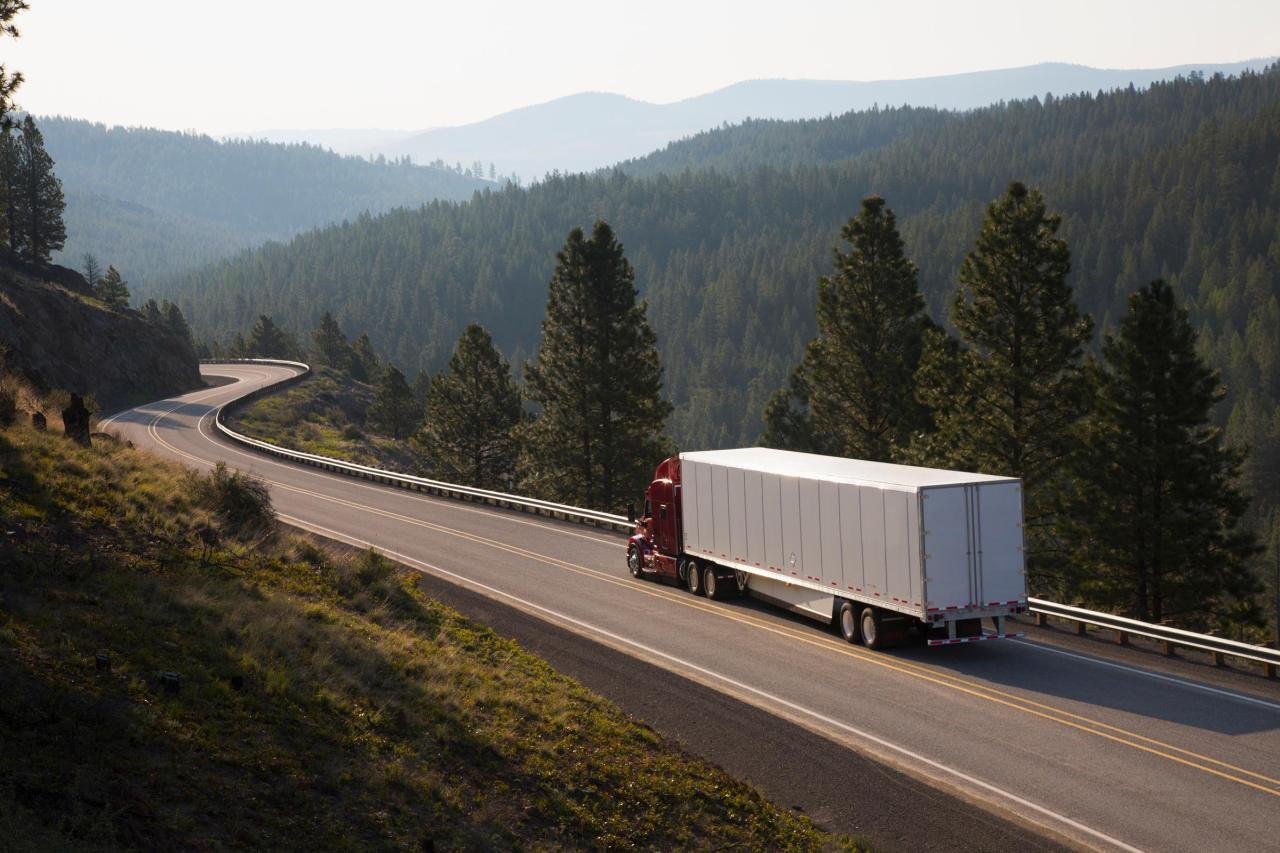
Real time updates allow for a dynamic response that keeps the assets in motion rather than sitting idle in a danger zone. Maintaining momentum is one of the most effective ways to deter an attack. By integrating live data with the plan, the team maintains a high level of situational awareness.
Evaluating Stop Over Security
Evaluating the security of stop over points and refueling stations is just as important as analyzing the road itself during a long haul. These stationary periods are often the times when a vehicle is most vulnerable to tampering or a direct physical assault. A structured assessment looks for locations with good visibility.
Final destination docks must be vetted to ensure that the handoff of the asset occurs in a controlled and secure environment. Many thefts occur at the very end of a trip when the team begins to relax their guard. Knowing the layout of the arrival point allows the crew to manage transitions.
A structured assessment minimizes the risk of asset theft by identifying the gaps in the traditional logistics chain. It looks at the human element and the physical barriers that protect the shipment at every stage. By prioritizing the security of these stationary moments, a team ensures the entire journey is covered.
Conclusion
The peace of mind provided by a proactive and data driven travel plan is the ultimate reward for the hard work of intelligence gathering. Knowing that every mile has been scrutinized allows the team to focus on their primary mission with clarity. It replaces the anxiety of the unknown with strategic confidence.
Professional intelligence serves as the ultimate deterrent because it removes the element of surprise that criminals rely on to be successful. When a team is prepared for the most likely threats, they become a much more difficult target to engage. This level of preparation sends a clear message about protection.
Reflecting on the value of pre travel planning shows that the foundation of a safe trip is built long before the vehicle moves. The investment in time and resources pays off by ensuring the safety of the personnel and the integrity of the cargo. Starting a mission correctly is the baseline.
Explore more opportunities with SeaRates by [contacting us] according to your interest category