
If you run any kind of logistics operation today, you already know that everything runs on data. Every shipment update, every warehouse scan, every delivery confirmation has to move between systems in real time. And all of that movement depends on one thing people rarely talk about until something breaks: hosting architecture.
Most logistics companies spend months picking the right transport management software or the right fleet tracking tool. Then they treat hosting as an afterthought, something the IT team will "figure out later." That's a mistake. The way you host your APIs and data pipelines decides whether your system holds up during a busy shipping season or falls apart the moment traffic spikes.
This post walks through what actually matters when you're setting up hosting for logistics APIs and integrations, without drowning you in technical terms you don't need.
Why Hosting Matters More in Logistics Than in Most Industries
Logistics is unusual. Unlike a typical e-commerce store that sees predictable traffic patterns, logistics systems deal with constant, unpredictable bursts of activity.
Think about what happens during a single order:
- A customer places an order on a retail site
- That order pings a warehouse management system
- The warehouse system talks to a carrier API to book a pickup
- The carrier API sends tracking updates back to the customer
- Every one of those updates might also sync with a CRM, an ERP, or a billing tool
That's five or six systems talking to each other for one single order. Now multiply that by thousands of orders an hour during peak season. If your hosting can't handle that kind of chatter, you get delays, dropped data, or worse, wrong information reaching customers.
So hosting isn't just a background detail. It's the foundation everything else sits on.
The Core Decision: Shared, VPS, or Dedicated Infrastructure
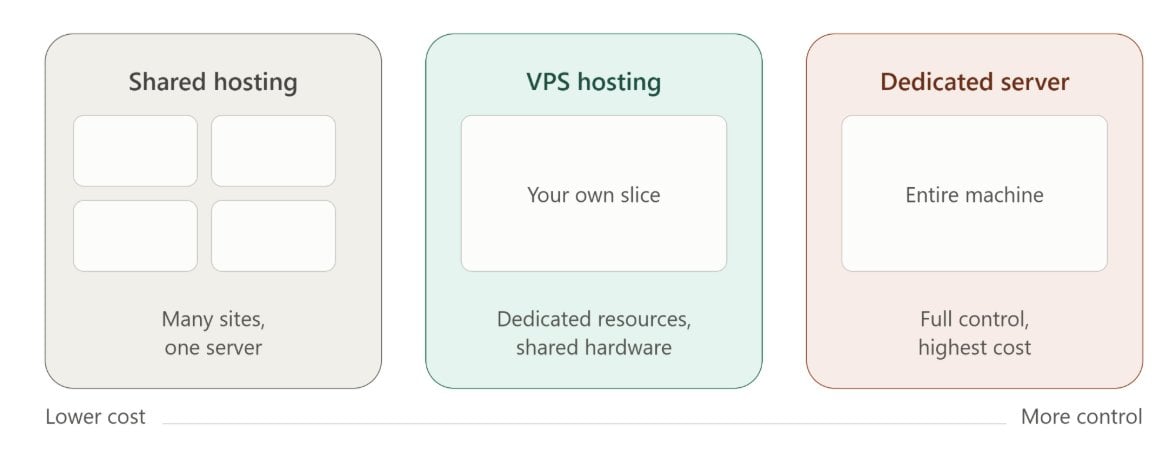
When people talk about hosting architecture for logistics APIs, it usually comes down to three broad paths. Each one has a different trade-off between cost, control, and reliability.
Shared Hosting
This is the cheapest option and honestly, for logistics, it rarely works well. You're sharing server resources with hundreds of other websites, and there's no telling when someone else's traffic spike eats into your performance. For a company that depends on real time tracking data, this is a risky bet.
VPS Hosting
A virtual private server gives you a slice of a physical machine that's yours alone. You get dedicated resources, more control over configuration, and better performance than shared hosting. Many mid-sized logistics companies start here because it balances cost with capability.
Dedicated Servers
This is the top tier. An entire physical machine is yours, and you decide exactly how it's configured. For companies moving huge volumes of shipment data or running several APIs at once, dedicated servers remove the guesswork about resource sharing.
There's no universal right answer here. A small logistics startup handling a few hundred shipments a day doesn't need a dedicated server. A national carrier processing millions of API calls daily probably shouldn't be anywhere near shared hosting.
What Logistics APIs Actually Need From a Host
Rather than getting stuck choosing a hosting "type," it helps to think about what your logistics system actually requires day to day.
Low latency for real time tracking
If your customers expect live location updates, every second of delay adds up. A host with servers positioned close to your main user base, and a network built for speed, makes a real difference here.
Uptime that doesn't waver
A logistics API going down for even ten minutes during a shipping rush can mean missed pickups, failed deliveries, and a flood of angry calls. Look for hosts that guarantee strong uptime and actually have a track record of meeting it, not just a number on a marketing page.
Room to scale without rebuilding everything
Order volumes swing wildly around holidays, sales events, or seasonal demand. Your hosting setup should let you add resources quickly, ideally without downtime, rather than forcing a full migration every time you outgrow your current plan.
Solid support when things go sideways
Logistics doesn't pause for business hours. If an integration breaks at 2 AM during a regional holiday rush somewhere in the world, you need a hosting provider that answers the phone, not a support ticket that sits for six hours.
This is one of the reasons companies moving toward VPS or dedicated setups often end up looking at providers like BearHost, which focus on giving businesses that kind of dedicated resource control along with round the clock support, rather than treating every customer as just another account on a crowded server.
Cloud, On-Premise, or a Mix of Both
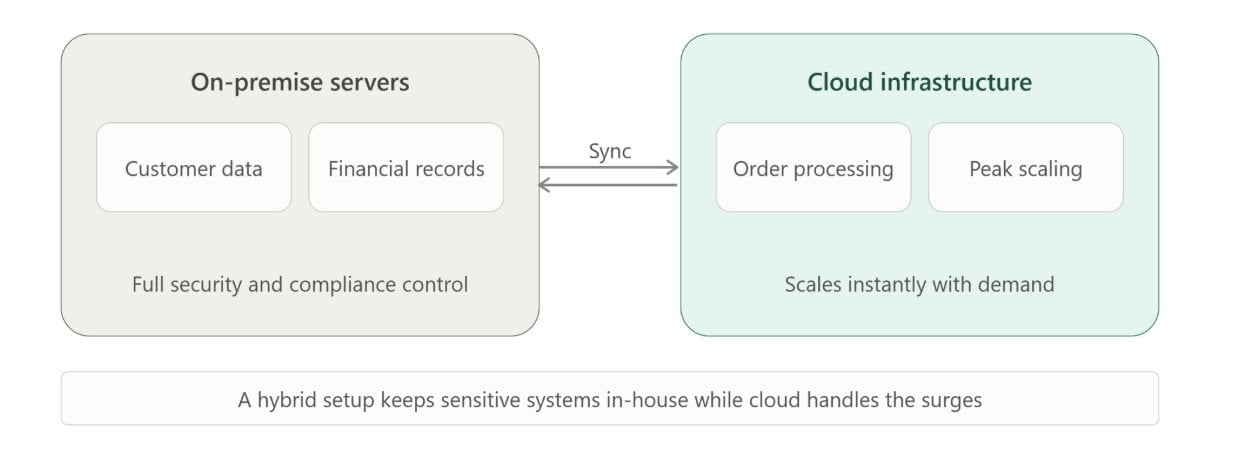
There's another layer to this decision that's separate from shared, VPS, or dedicated hosting: where your infrastructure physically lives.
Cloud Hosting
Cloud providers let you scale up or down almost instantly. If your shipment volume triples during a festival season, cloud infrastructure can handle that surge without you buying new hardware. The downside is that costs can climb fast if nobody is watching usage closely, and complex integrations sometimes need careful configuration to avoid data bottlenecks.
On-Premise Servers
Some logistics companies, especially ones handling sensitive customer data or working under strict regional regulations, still prefer to keep servers in house. This gives full control over security and compliance, but it also means your team handles all maintenance, upgrades, and capacity planning themselves.
Hybrid Setups
A lot of logistics businesses land somewhere in the middle. They keep core systems, like customer data or financial records, on private servers, while using cloud infrastructure for things that need to scale quickly, like order processing during peak times. This hybrid approach often gives the best of both worlds, though it does require more careful planning to keep everything synced properly.
API Design Choices That Affect Hosting Decisions
Your hosting setup and your API design aren't separate conversations. They influence each other constantly.
- REST APIs are still the most common choice for logistics integrations because they're simple and widely supported. They work well on almost any hosting setup, including VPS environments.
- Webhooks are useful for real time notifications, like when a shipment status changes. These need hosting that can handle sudden bursts of incoming requests without lag.
- Batch processing setups, where large chunks of data sync on a schedule rather than instantly, put less strain on your hosting but aren't ideal if your business depends on live updates.
If most of your integrations rely on webhooks and real time syncing, your hosting needs to prioritize speed and concurrent request handling. If you're mostly doing batch data transfers overnight, you can get away with a lighter setup.
Data Integration Challenges Unique to Logistics
Logistics data integration comes with its own headaches that other industries don't usually deal with.
Multiple carrier formats
Every shipping carrier structures its data slightly differently. Your hosting environment needs to support middleware or transformation layers that can standardize this data before it reaches your core systems.
Time zone and regional data sync issues
If you're coordinating shipments across countries, timestamps and regional formatting can quietly break integrations if your servers and databases aren't configured with this in mind from day one.
Volume spikes tied to external events
A single delayed flight or a customs holdup can create a sudden pile up of status updates that all need processing at once. Hosting that can absorb these bursts without slowing everything else down is worth the investment.
Security Considerations You Can't Skip
Logistics data often includes customer addresses, payment details, and shipment contents. That makes security a non-negotiable part of any hosting decision.
- Choose hosting that supports proper firewall configuration and DDoS protection
- Make sure data is encrypted both in transit and at rest
- Check whether the hosting provider supports compliance requirements relevant to your regions, such as data residency rules
- Set up regular automated backups, ideally stored separately from your primary servers
Skipping any of these isn't just risky, it can mean real financial and legal consequences if something goes wrong.
A Simple Way to Decide What You Actually Need
If you're stuck deciding what kind of hosting architecture fits your logistics operation, ask yourself these questions:
1. How many API calls does your system handle on an average day, and on your busiest day?
2. Do your integrations rely mostly on real time updates or scheduled batch syncing?
3. How sensitive is the data you're moving between systems?
4. Can your current setup scale without a full rebuild if order volume doubles next year?
5. What happens to your business if your hosting goes down for an hour during peak season?
Your answers will point you toward the right combination of shared, VPS, dedicated, cloud, or hybrid hosting far better than any generic recommendation could.
Final Thoughts
There isn't one hosting setup that works for every logistics business. A small regional courier service and a multinational freight company have completely different needs, and forcing either one into the wrong hosting model just creates problems down the line.
What matters most is being honest about your current volume, your growth plans, and how much downtime your business can actually tolerate. Once you're clear on that, choosing between shared, VPS, dedicated, cloud, or hybrid hosting becomes a much easier call, and one that keeps your logistics APIs running the way they're supposed to, quietly, reliably, and without drama.
Explore more opportunities with SeaRates by contacting us according to your interest category