
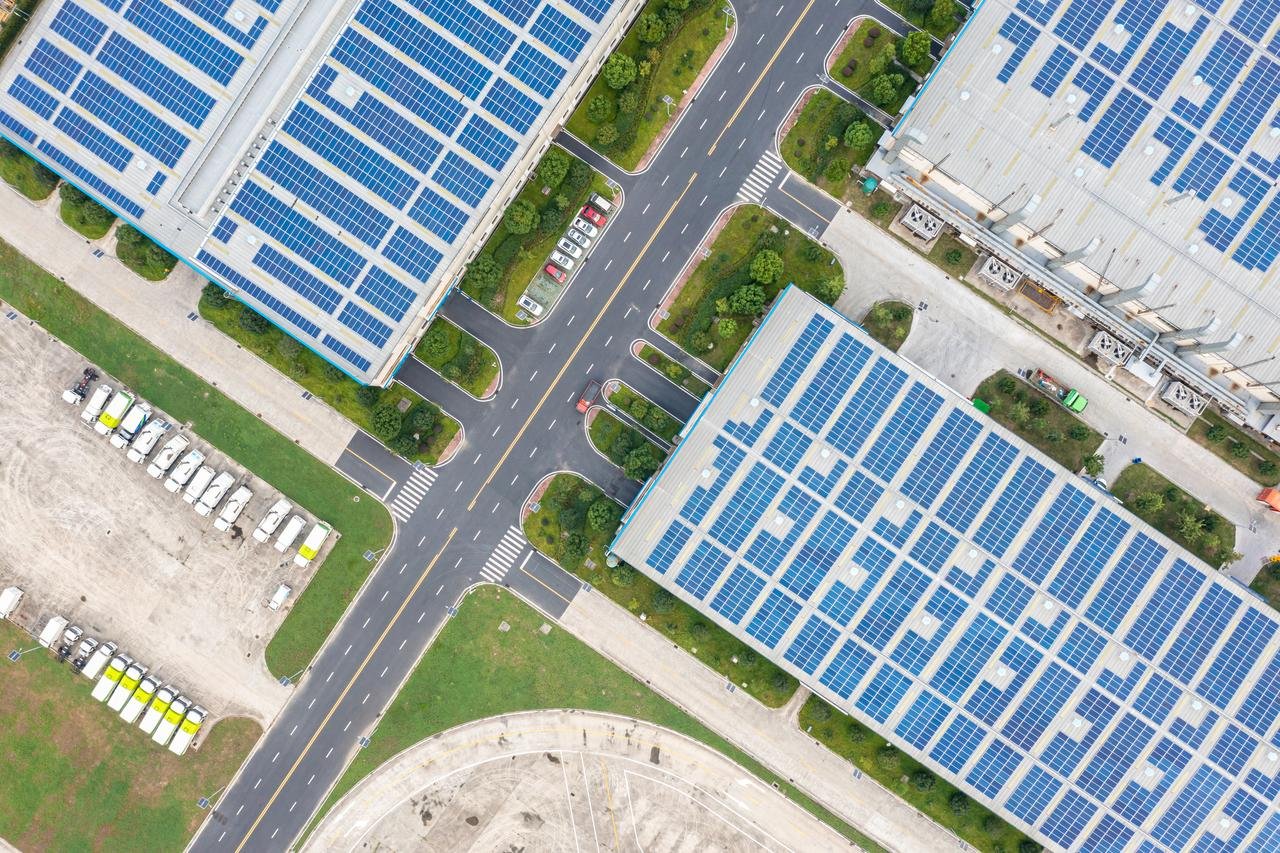
The transportation and delivery industries are at the cusp of a sea change currently, driven by rapid technological innovation. The whole ecosystem, from automated logistic systems to smart delivery vehicles, is getting quicker, safer, and increasingly efficient. As the number of e-commerce transactions grew worldwide, with ever-increasing consumer expectations, companies adopted new approaches that enabled them to perform efficiently on low costs while ensuring seamless customer experiences.
Today, logistics providers are not really moving goods around; they use data, automation, and intelligent systems to transform the journey from warehouse to doorstep. Digital tools such as AI detector or even the plain word counter. They will also enhance communication accuracy, documentation, and efficiency of workflows that pertain to transportation.
Some of the most impactful innovations for the future of transport and delivery are as follows.
Autonomous Delivery Vehicles and Drones
Autonomous technologies constitute some of the most exciting recent developments in logistics: trials of self-driving delivery vans, robotic carts, and even aerial drones are underway, with commercial use already happening in some regions.
Design an autonomous ground vehicle that can operate in city streets independently without human interference while avoiding obstacles and delivering packages. Their usage has several advantages, including labor cost reduction, possibly providing delivery services 24/7, and low carbon emissions.
While the introduction of delivery drones ensures ultra-fast solutions for small parcels, they are mainly transformative in scattered or inaccessible areas where the delivery through traditional posts and parcels is slow or impossible. Companies like Amazon, UPS, and scores of technology startups are investing heavily into the technology of drone delivery in the hope of making same-hour delivery a reality.
Smart Routing and Real-Time Tracking
GPS is much more than navigation; state-of-the-art tracking systems make use of AI to calculate in real time the fastest routes that are economical in terms of fuel consumption. Such systems take as input:
- Traffic patterns
- Weather conditions
- Vehicle load
- Road closures
- Delivery priorities
Route optimization can help an organization to reduce time and fuel consumption drastically, which will contribute directly to lowering environmental impact and operation costs.
Today, real-time tracking has become the rule rather than the exception for businesses and consumers alike. Now, customers can track the journey of their package from the warehouse right up to their doorstep, thus building trust by increasing transparency. To logistics managers, the tracking tools allow better planning and enhance driver accountability through instant problem resolution.
The Rise of Electric and Eco-friendly Vehicles
Transportation methods bring a big concern in terms of environmental sustainability. Traditional fleets used for delivery contribute much to pollution, while technology has cleaner ways.
The continuous improvement in the efficiency of batteries and increasingly attractive financial incentives provided by governments make electric delivery vans, trucks, and bikes increasingly common. They provide zero tailpipe emissions, reduce fuel costs, and their application perfectly fits with the idea of short-distance urban deliveries.
Besides electric fleets, companies are looking at hydrogen-powered trucks and solar-assisted vehicles that promise longer ranges with faster refueling. As older diesel vans get phased out during this shift, many logistics operators source replacements through ex-fleet van auctions rather than buying new, keeping transition costs manageable.
Similarly, sustainable packaging, green warehousing, and carbon-neutral shipping options have become major differentiators for environmentally conscious businesses.
Warehouse Automation and Robotics
Modern warehouses little resemble their predecessors of yesteryear. Automation replaced mundane and time-consuming functions, greatly increasing the speed and accuracy at which they are performed.
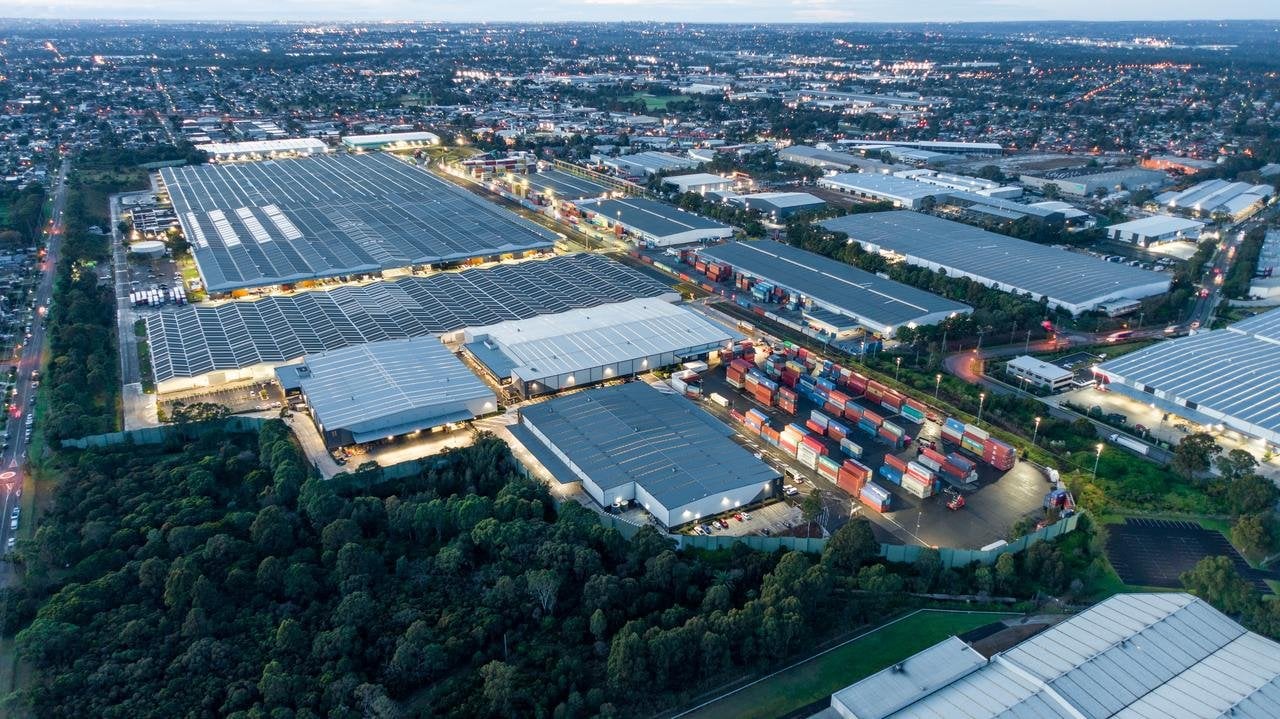
Typical warehouse innovations include:
- Automated Guided Vehicles to move inventory
- Robotic arms that can pick and sort products.
- Automated storage and retrieval systems
- AI-driven management systems allowing real-time control of inventories.
These technologies minimize human errors, increase throughput, and help the warehouse function effectively in case of a labor shortage.
Blockchain for Secure and Transparent Logistics
Further steps towards more security and integrity have been made possible through blockchain technology in supply chains across the world. With blockchain, Each and every transaction and movement is noted in a tamper-proof ledger. Counterfeits can be identified. There are very few errors in the documentation. Shipping documents and contracts can be automated. This is especially valuable in industries, such as pharmaceuticals, electronics, or food supply, where authenticity or traceability may be paramount.
Artificial Intelligence and Data Analytics
Now, AI is integral to the core of transportation and delivery operations, from demand forecasting to preventing delays and anomaly detection for effective fleet management. AI systems analyze enormous data and make very accurate predictions that help businesses make quick decisions. Simultaneously, utilities such as an AI Detector help a company verify that generated content, reports, or internal communications are original and reliable. Simpler utilities such as an online word counter help in streamlining documentation, regulatory filings, and customer communications.
Conclusion
New innovations in technologies are rapidly transforming how transport and delivery systems are operated today-in ways hitherto not considered. From autonomous transporters and smart routing through green fleets to blockchain systems, logistics will continue to get faster, smarter, and greener. As the consumer evolves in their expectations and global commerce continues to scale, technology will be at the heart of the next wave of effective, reliable, and sustainable solutions for transportation.
Explore more opportunities with SeaRates by [contacting us] according to your interest category