Maersk Line sees ''08 global shipping growth


17 Jul 2008

Maersk Line, the world's largest container shipping firm, expects container shipping to grow by 7 to 8 percent globally this year, with trade within Asia outperforming that, in spite of soaring fuel costs and a slowing world economy. "Asia is the factory of the world, so Asia doesn't grow anymore than the U.S. and Europe is willing to buy," Maersk Line's Asia Pacific Chief Executive Jesper Praestensgaard told Reuters in an interview on Wednesday.
"But intra-Asia trade is growing relatively more than between the regions, so Asia is probably more shielded from a downturn in the U.S. and Europe," he said, adding the firm will introduce a new China-Singapore service from next week to tap growing demand.
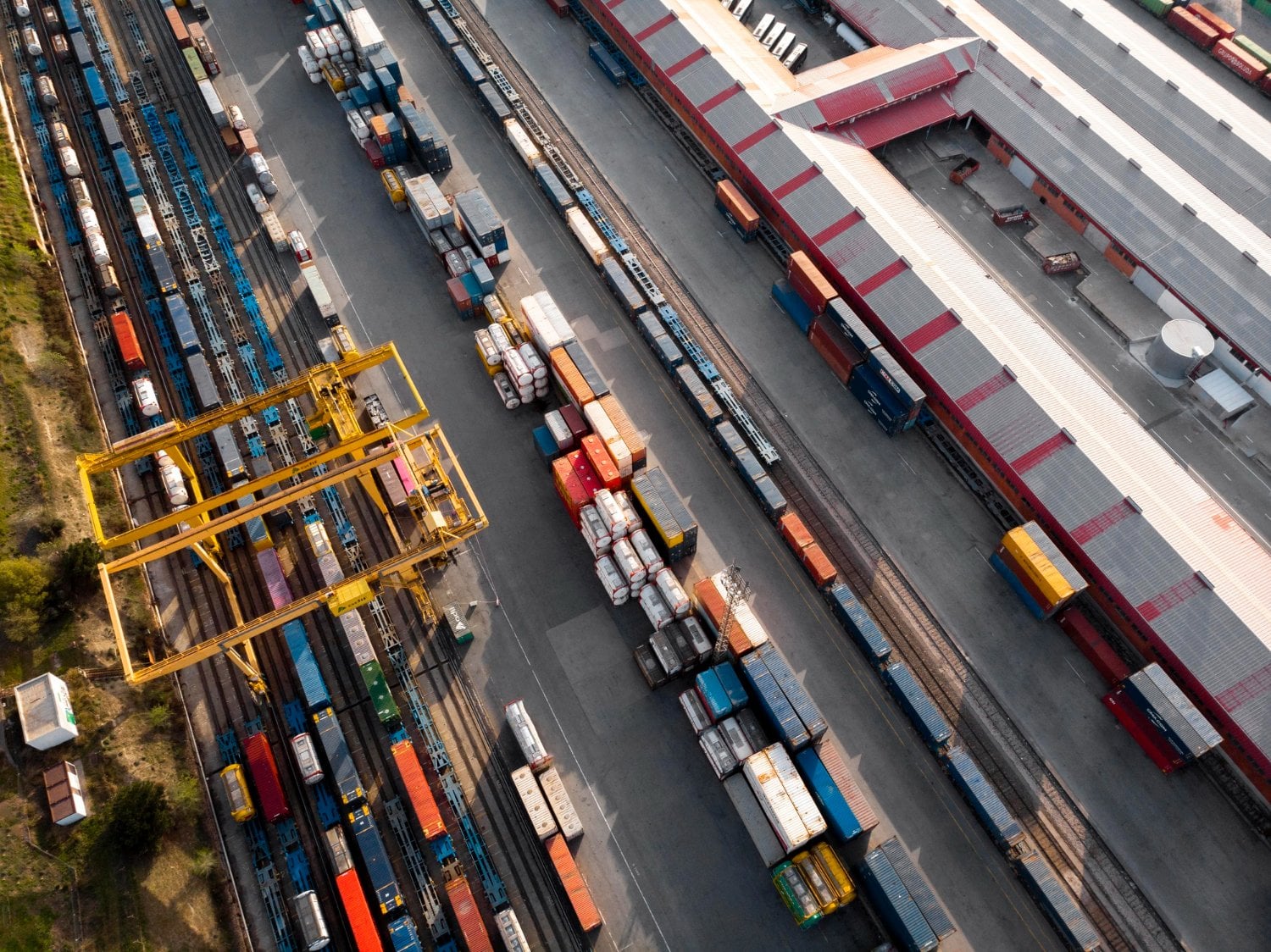
Maersk Line, part of Danish shipping and oil group A.P. Moller-Maersk, now operates over 500 container vessels and 1.9 million containers. Since June it has ordered 34 new ships for delivery by 2012, amid concerns of an impending oversupply in shipping capacity worldwide.
"Shipping is cyclical, everyone knows that. So when we make investments in shipping, we invest in ships with life-spans of 25-30 years, and you have to measure success over that life-span," said Praestensgaard.
Soaring bunker fuel prices, now at over $750 per tonne up from about $500 in January, now represents over 50 percent of the firm's operating costs, and has had a significant impact on margins, he said.
Maersk's biggest container ships, at full capacity, can consume an estimated 46,200 litres of fuel for every 100 kilometres traveled.
Maersk Line partially offsets its fuel costs by imposing a bunker adjustment charge on customers, fuel hedging, and the practice of "slow steaming", where shippers operate vessels at slower speeds to cut fuel consumption and make up for it by increasing the number of ships on a route.
"There is no doubt that the current oil prices is hindering global trade, both in terms of reducing consumption and increasing transportation costs in general," Praestensgaard said.
MERGERS GOOD
Consolidation through a potential merger between Singapore-controlled Neptune Orient Lines( NOL) and Hapag-Lloyd, the container unit of Germany's TUI, could be good for the industry, now overly fragmented, said Praestensgaard.
Banking sources told Reuters this week that NOL, 66-percent owned by Singapore sovereign wealth fund Temasek, is seeking bold terms for a loan of up to $7 billion to finance a takeover bid for Hapag-Lloyd.
A merger between the two would create the world's third-biggest container shipping group, behind Maersk Line and privately owned Mediterranean Shipping Co.
"It will be a good move if they manage to pull it off. I'm much more concerned about fragmentation, which makes it difficult for the industry to achieve efficiencies in terms of simplification and standardisation," said Praestensgaard.
He declined to comment on Maerk's own interest in the German shipper, but Maersk Line global CEO Eivind Kolding told a German newspaper last month that he is not ruling out takeovers and is keeping a close eye on Hapag-Lloyd.
Praestensgaard, whose office overlooks Singapore's sprawling PSA complex -- the world's busiest container port -- said Maersk Line continues to operate a significant part of its fleet through the city-state due to customer demand. The company had shocked Singapore authorities when it decided in 2000 to take a 30 percent stake in rival Port of Tanjung Pelepas in neighbouring Malaysia and shift most of its operations there, threatening PSA's dominance in the region.
"The market demand was to be in Singapore as well, so that's why we're here," he said, adding that more of Maerk Line's operations are still based in PTP compared to PSA at this point, but declined to give specifics.

Reuters


Search on site | Privacy | Terms of service | F.A.Q. | Feedback | Contact | Site map | Links | |
© Farnel Capital. All rights reserved.


Рейтинг@Mail.ru   bigmir)net TOP 100   Rambler's Top100