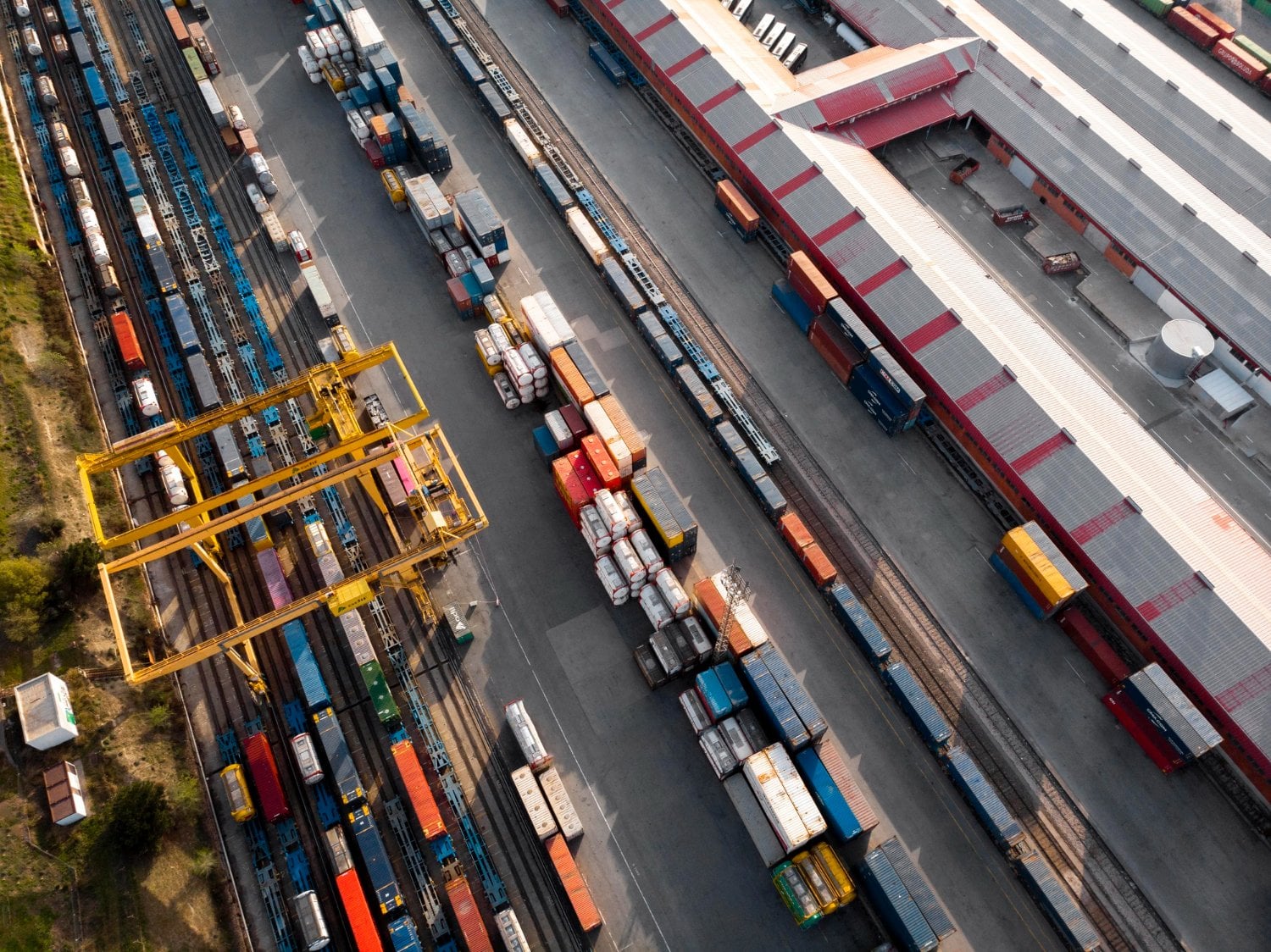
U.S. exporters to face shipping crunch


21 Apr 2008

Exporters may face multiple year shipping crunch U.S. exporters’ difficulties in securing ocean transportation for their products may not go away anytime soon, said participants in a roundtable discussion Thursday. While exporters may get a bit of a breather in coming months as the peak shipping season causes some carriers to increase capacity, the space crunch for outbound shipments is likely to be a "multiple year problem," said Ed Zaninelli, vice president of the transpacific westbound trade for Orient Overseas Container Line.
Zaninelli, in a discussion broadcast over the Internet from the Philadelphia headquarters of the logistics company BDP International Thursday, noted exports grew about 15 percent in 2007 and were up by a similar amount in January of this year.
As carriers have trimmed inbound capacity to the United States because of weak demand and low freight rates, and exports have boomed because of the weak dollar and demand for raw materials, many exporters are having difficulty obtaining space on vessels or containers at inland locations.
J.A. "Pepe" Gonzalez, global leader for international trade operations and marine packed cargo at Dow Chemical, said last summer the company started to see a lack of available space on ships to South America, which then spread to services to Europe and Asia.
"We have experienced a vulnerability in the supply chain that we have not seen in years," Gonzalez said, with the exception of the situation after Hurricane Katrina. And while customers could readily understand the problems resulting from storm damage, the current situation is difficult to explain given what is "still a huge trade imbalance into North America based on imports and exports."
The results for his company have been longer cycle times to fill customer orders, compromised ability to deliver product on time, and the need to keep additional inventories, he said.
"In specific markets where we have aggressive targets to seed and grow, our capacity has been hindered," he said.
Eugene Galdi, director of procurement, logistics and transport services at Honeywell, said one result is that logistics professionals have to spend more time doing the same amount of work.
"What might have been a weekly supply chain event between distribution and the plants is now a daily event," he said.
"When customers hear something will take weeks longer than it normally would it is news to them," he said. "It has been our responsibility to go out and educate each one of our sister groups and/or our customers and explain that this is not a one company specific issue -- that it is a North American issue," he added. "Once they hear from three or four suppliers they understand that."
Michael Andaloro, chief operating officer of BDP International, said the problem has become "too large to ignore," leading it to sponsor Thursday's webcast. The discussion was moderated by American Shipper Editor Chris Gillis.

American Shipper


Search on site | Privacy | Terms of service | F.A.Q. | Feedback | Contact | Site map | Links | |
© Farnel Capital. All rights reserved.


Рейтинг@Mail.ru   bigmir)net TOP 100   Rambler's Top100